
 EN
EN
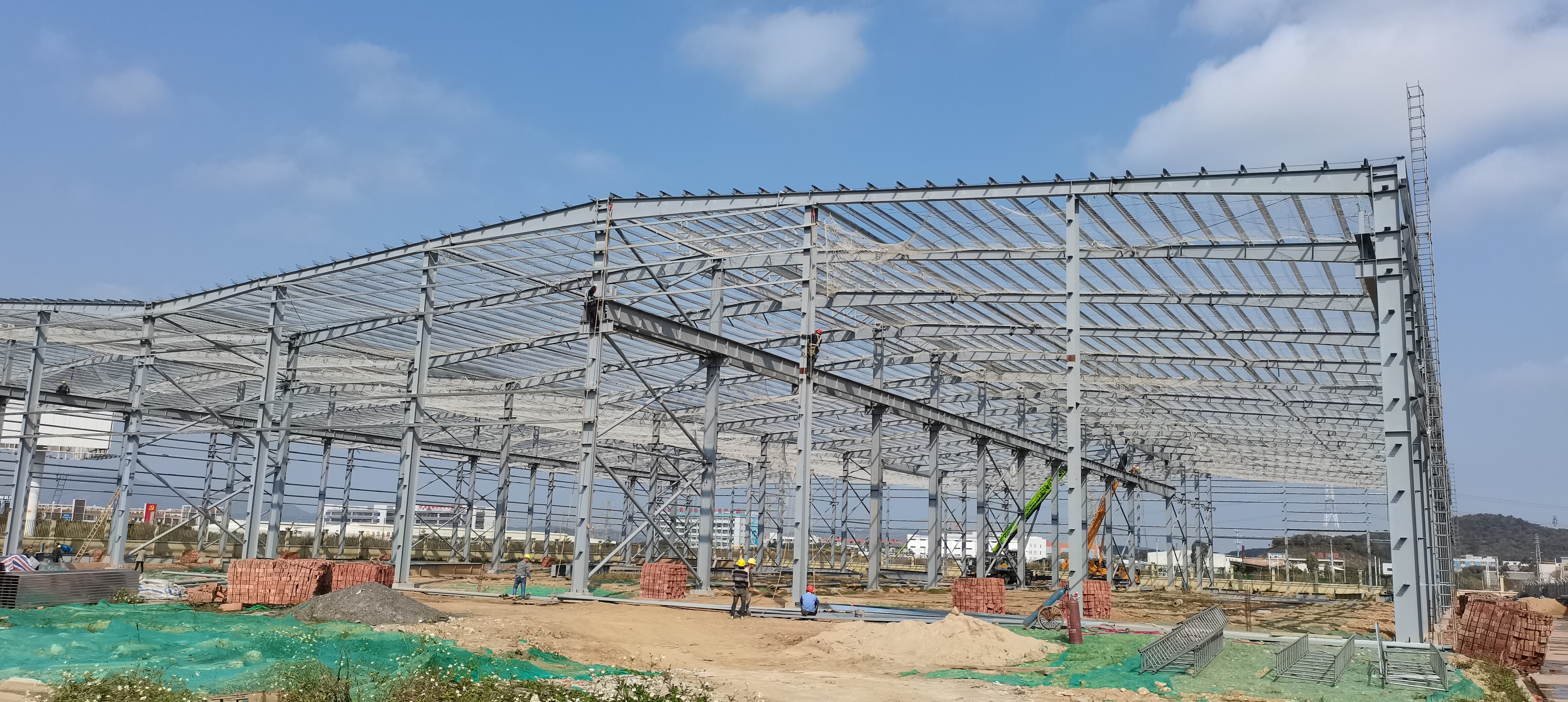
لماذا يهم التصميم الخفيف في الهياكل الفولاذية الحديثة
الزيادة في الطلب على حلول الصلب الخفيف في المشاريع الحضرية
مع نفاد المساحات في المناطق الحضرية ومواجهة قواعد خضراء أكثر صرامة، بدأ العديد من المهندسين المعماريين والبناّئين استخدام الفولاذ الخفيف بدلاً من المواد التقليدية. تُظهر أبحاث منشورة العام الماضي في مجلة المواد الخفيفة الدولية أن هذه الأنظمة الفولاذية يمكن أن تقلل وزن المبنى الكلي بنحو 40% مقارنة بالهياكل الخرسانية التقليدية. وهذا يعني أن المطورين يمكنهم بناء مباني أطول بكثير حتى في تلك القطع الصغيرة داخل المدن التي كانت سابقاً مستحيلة لبناء أي شيء جوهري. ولا تقتصر الفوائد على توفير المساحة فحسب، بل إن المباني الأخف تتطلب كميات أقل بكثير من المواد الخام أثناء الإنشاء وتولّد نفايات أقل بكثير في نهاية دورة حياتها. بالنسبة للمدن التي تحاول النمو دون التوسع أفقياً، فإن هذا النوع من الابتكار منطقي جداً من الناحيتين البيئية والاقتصادية.
نسبة القوة إلى الوزن: كيف يجمع الفولاذ بين المتانة والخفة
تتفوق سبائك الفولاذ عالية القوة في يومنا هذا حقًا على كل من الخرسانة والخشب من حيث القوة النسبية مقارنة بوزنها. ولهذا السبب يُفضّلها العديد من البنائين، خصوصًا في المناطق المعرّضة للزلازل أو الرياح القوية. فعلى سبيل المثال، يمكن للألواح المصنوعة من الفولاذ البارد أن تتحمّل أحمالًا تتراوح بين 2 إلى 3 مرات أثقل مقارنة بمواد البناء العادية ذات الوزن المتشابه. تكمن الفائدة الحقيقية في أن المهندسين الإنشائيين لم يعودوا بحاجة إلى استخدام العوارض السميكة والأعمدة الضخامية بعد الآن، مع الحفاظ على سلامة واستقرار المباني. وينتج عن ذلك مباني أخف وزنًا بشكل عام، ما يوفر المال على تكاليف المواد وتكاليف النقل أيضًا.
دراسة حالة: مبنى عالي الارتفاع باستخدام هيكل فولاذ خفيف
في طوكيو يقف مبنى مكوّن من 24 طابقًا للاستخدامات المختلطة، وفر المال والوقت بفضل هيكل الفولاذ الخفيف. انخفضت تكاليف الأساسات بنسبة تقارب 18 بالمئة، بينما استغرق التجميع وقتًا أقل بنسبة 32 بالمئة بشكل عام. لكن الأبرز كان الطريقة التي بُني بها. إذ تم تصنيع حوالي ثمانية من كل عشرة مكونات في مكان آخر قبل نقلها إلى موقع البناء. مما يعني أن العمال قضوا وقتًا أقل بكثير في عمليات اللحام في الموقع، كما لم تعد الحاجة إلى الرافعات متكررة، مما قلّص هذه الأنشطة بنحو 35 بالمئة. وبعد النظر إلى ما حدث بعد اكتمال البناء، ظهرت نتيجة مثيرة للاهتمام. بلغت كمية الكربون المنبعثة أثناء البناء أقل بنسبة 22 بالمئة مقارنة بالمباني الخرسانية النموذجية ذات الحجم المماثل. وتتماشى هذه الأرقام مع النتائج الواردة في أحدث تقرير لمؤشر كفاءة المواد الذي نُشر في عام 2024.
دمج التصميم الخفيف الوزن في مرحلة مبكرة من التخطيط الإنشائي
تحقق المشاريع التي تتضمن الفولاذ الخفيف الوزن في مرحلة التصميم الأولية وفورات كبيرة في التكاليف والوقت. وتشمل الاستراتيجيات الرئيسية ما يلي:
| مرحلة التصميم | النهج التقليدي | تحسين الوزن الخفيف |
|---|---|---|
| اختيار المواد | العتدات القياسية على شكل حرف I | فولاذ عالي القوة مع أضلاع مائلة |
| حسابات الحمل | هوامش أمان متحفظة | محاكاة قائمة على نموذج معلومات البناء (BIM) لتحميل دقيق |
| تصنيع المكونات | القطع/اللحام في الموقع | وحدات مسبقة الصنع باستخدام التحكم الرقمي بالحاسوب (دقة ±1 مم) |
أظهرت مسح عام 2023 الذي أجرته الجمعية العالمية لهندسة الهياكل أن التاعتماد المبكر يقلل التتأخر في التتراخيص بنسبة 30% والإفراط في استهلاك المواد بنسبة 24%، مما يضمن التتوافق مع الأساليب الوحدوية التي تُستخدم حاليًا في 37% من ناطحات السحاب الحضرية.
بناء أسرع من خلال أنظمة الهياكل الفولاذية المسبقة التfabrication
كيف يُسرع الفولاذ البارد المُشكَّل (CFS) جداول البناء
ينقل الفولاذ البارد المُشكَّل ما يصل إلى 75% من عملية التfabrication خارج الموقع، مما يقلل من اضطرابات الطقس والأعمال الت corrective. تصل المكونات المهندسة مسبقًا جاهزة للتركيب، مما يسمح بموازاة العمل في الأساسات مع هيكل البناء. تُظهر بيانات الصناعة لعام 2023 أن مشاريع الفولاذ البارد المُشكَّل تقلل الوقت الكلي للبناء بنسبة 20–35%، مع هدر المواد أقل من 3% بفضل التfabrication الدقيقة.
التجميع المبسط في الموقع باستخدام مكونات فولاذية مهندسة بدقة
تمت مكونات الفولاذ الجاهزة على دقة تبلغ ±1 مم، مما يلغي أخطاء القياس أثناء التركيب. تتصل الألواح الجدارية والأبراج عبر وصلات قياسية، وتتطلب أدوات متخصصة أقل بنسبة 43% مقارنة بالإطارات التقليدية. تؤكد الدراسات الميدانية أن الطواقم ذات التدريب الأساسي تحقق معدلات نجاح تزيد عن 95% في التركيب من المرة الأولى.
دراسة حالة: مشروع سكني اكتمل بنسبة 40% أسرع باستخدام الفولاذ الجاهز
تم إنجاز العمل الإنشائي لمشروع سكني مكوّن من 120 شقة في أريزونا خلال 18 أسبوعًا، مقارنة بـ30 أسبوعًا للبناء التقليدي، وذلك باستخدام كابينات جدران CFS وجملونات أرضيات مصنوعة في المصنع. وانخفضت العمالة في الموقع بنسبة 25٪، مع الالتزام بالمعايير الصارمة للزلازل. ويعزو الفريق هذه المكاسب إلى استراتيجيات التصنيع المسبق التي تم التحقق منها في أبحاث حديثة حول البناء الوحداتي.
تحسين جداول العمالة للبناء الفولاذي السريع
يعني انخفاض وزن الصلب أن فرق الإنشاء يمكنها الاكتفاء بعدد أقل من الأشخاص في الموقع. يستطيع ثلاثة عمال الآن التعامل مع ألواح الجدران التي كانت تتطلب سابقًا خمسة أو حتى ستة عمال عند استخدام مواد أثقل. كما ظهرت أيضًا بعض التطورات المثيرة للاهتمام في أدوات الجدولة المصممة خصيصًا لمشاريع الإنشاءات الفولاذية. وقد ساعدت هذه الأنظمة في تقليل النزاعات المحبطة بين الطواقم المتخصصة المختلفة بنسبة حوالي 22٪. وبالنظر إلى مشاريع إنشاء المستشفيات الحديثة لعام 2024، كان هناك اتجاه ملحوظ حيث تمكنت الفرق التي استخدمت مكونات فولاذية مسبقة التصنيع من إغلاق واجهات المباني أسرع بنسبة 34٪ تقريبًا مقارنة بالطرق التقليدية. ويمثل هذا التفوق في السرعة فرقًا كبيرًا لأنه يتيح لفنيي السباكة والكهرباء البدء بأعمالهم في وقت أبكر بكثير دون الحاجة للانتظار حتى اكتمال العناصر الإنشائية أولًا.
المكاسب في النقل والمناورة والكفاءة في الموقع
تقليل وزن المواد يقلل تكاليف النقل والعبء اللوجستي
يقلل الفولاذ الخفيف من احتياجات النقل بنسبة 18-22٪ مقارنة بالمواد التقليدية. ويعني عدد أقل من الشحنات انخفاض تكاليف الوقود وتبسيط العمليات اللوجستية، حيث تتناسب مكونات الفولاذ البارد عادةً مع الأبعاد القياسية للشاحنات المسطحة.
عدد أقل من رحلات الت delivery واحتياجات معدات أصغر في الموقع
يُحسّن انخفاض وزن المكونات الحمولة القصوى لكل شحنة، ما يوفر وفورات في استهلاك الوقود بنسبة 15٪ في كل مرحلة. كما تقلل الحزم الفولاذية المدمومة من الحاجة إلى التخزين في الموقع، مما يسمح للمواقع الحضرية الضيقة بالعمل دون الحاجة إلى مناطق تخزين مخصصة.
تيسير المناورة دون الحاجة إلى معدات الرفع الثقيلة
يمكن تركيب المكونات المصممة بدقة يدويًا باستخدام أدوات بسيطة، مما يلغي الحاجة إلى الرافعات في 60٪ من عمليات التركيب. وتُعد هذه المرونة مفيدة بشكل خاص في أعمال التحديث، حيث تقلل بروتوكولات المناورة المريحة من مخاطر إجهاد العمال بنسبة 41٪ مقارنة بالبدائل الخرسانية.
تقليل العمالة: كيف يقلص الفولاذ الخفيف عدد الساعات العمالية بنسبة تصل إلى 30٪
سجل تقرير مبادرة الابتكار في البناء لعام 2023 انخفاضًا بنسبة 27–31٪ في ساعات العمل من خلال تحسين التعامل مع الفولاذ. يقوم الطواقم بتثبيت ألواح الجدران المسبقة الصنع بسرعة تصل إلى ثلاث مرات أسرع من التشييد التقليدي، بفضل نقاط الرفع المدمجة التي تسمح بتعديل المحاذاة بواسطة عامل واحد فقط.
التجزئة والدقة: دور نمذجة معلومات البناء (BIM) وتقنيات التحكم الرقمي بالكمبيوتر (CNC) في تصنيع الفولاذ
صعود البناء الوحداتي باستخدام الفولاذ الخفيف العيار
يُسهم الفولاذ الخفيف الوزن في دفع نمو البناء الوحداتي. ويستخدم المصنعون الفولاذ المشكل على البارد لإنتاج ألواح جدران مسبقة الصنع، وكاسيتات أرضيات، وعناصر سقائف على شكل إطارات هندسية تناسب بعضها البعض كقطع أحجية مهندسة. ووجد تقرير BuildSteel لعام 2024 أن الأنظمة الوحداتية المصنوعة من الفولاذ تقلل من خطط التركيب بنسبة 25–40٪، حيث تصل المكونات مقطوعة ومثقبة مسبقًا لأنظمة الخدمات الميكانيكية.
التصنيع الخاضع للرقابة المصنعية يضمن الدقة الأبعادية
تحافظ ماكينات التحكم الرقمي بالحاسوب (CNC) على تسامحات ±1 مم أثناء الإنتاج، مما يمنع التعديلات الميدانية. هذه الدقة ضرورية في المباني متعددة الطوابق، حيث يمكن أن تؤدي الأخطاء المتراكمة إلى التهديد بالأداء الهيكلي. على سبيل المثال، قام مشروع مستشفى كبير بتركيب 1,823 وحدة فولاذية سابقة الصنع بدقة محاذاة كاملة، مما خفض ساعات العمل بنسبة 30٪.
دراسة حالة: منشأة صحية تم بناؤها بوحدات فولاذية سابقة الصنع بالكامل
انتهى مركز طبي مكوَّن من 120 سريرًا في تكساس من إنشائه بسرعة أكبر بنسبة 35٪ باستخدام وحدات فولاذية مبنية بالكامل في المصنع. جاءت كل وحدة مع قنوات كهربائية وأنابيبPlumbing مثبتة مسبقًا، مما سهّل التنسيق في موقع البناء. وفر المشروع 2.1 مليون دولار أمريكي من تكاليف العمالة وحقق معدل عيوب لا يتجاوز 0.5٪ — أي أفضل بثلاث مرات من المعايير الصناعية للمباني الفولاذية التقليدية.
دمج تقنيات النمذجة المعلوماتية للمباني (BIM) والتحكم الرقمي بالحاسوب (CNC) لتحقيق تدفق سلس من التصميم إلى البناء
يُعد نمذجة معلومات البناء (BIM) العمود الفقري الرقمي، حيث يزود الآلات التحكم عدديًا (CNC) بمواصفات دقيقة لإنتاج الهياكل الفولاذية تلقائيًا. ويقوم المهندسون بالتحقق من أحمال الهيكل داخل بيئة BIM قبل بدء الإنتاج، مما يضمن الامتثال للغرض التصميمي والمواصفات القياسية. وقد خفض هذا التدفق المتكامل للعمل تكاليف إعادة العمل بنسبة 18٪ عبر 42 مشروعًا تجاريًا تم تحليلها في عام 2023.
قسم الأسئلة الشائعة
ما هي فوائد الفولاذ الخفيف في البناء؟
يقلل الفولاذ الخفيف من الوزن الكلي للمبنى، ما يسمح بإنشاء هياكل أعلى ضمن مساحات محدودة، ويحتاج إلى كميات أقل من المواد الخام، ويقلل من الهدر، ويعزز النمو البيئي والاقتصادي في المناطق الحضرية.
كيف يساهم الفولاذ الخفيف في تسريع الجداول الزمنية للبناء؟
تسرّع مكونات الفولاذ الجاهزة البناء من خلال نقل عملية التصنيع خارج موقع البناء، وتقليل اضطرابات الطقس، والسماح بأعمال الأساسات والإطارات بشكل متزامن، مما يقلص وقت الإنشاء بنسبة 20–35%.
ما الدور الذي تلعبه تقنيتا BIM وCNC في تصنيع الفولاذ؟
يُدمج نمذجة معلومات المباني (BIM) مع تقنية التحكم الرقمي بالحاسوب (CNC) لضمان الدقة في سير عمل التصميم والبناء، مما يقلل من تكاليف إعادة العمل ويعزز الدقة الهيكلية.