
 EN
EN
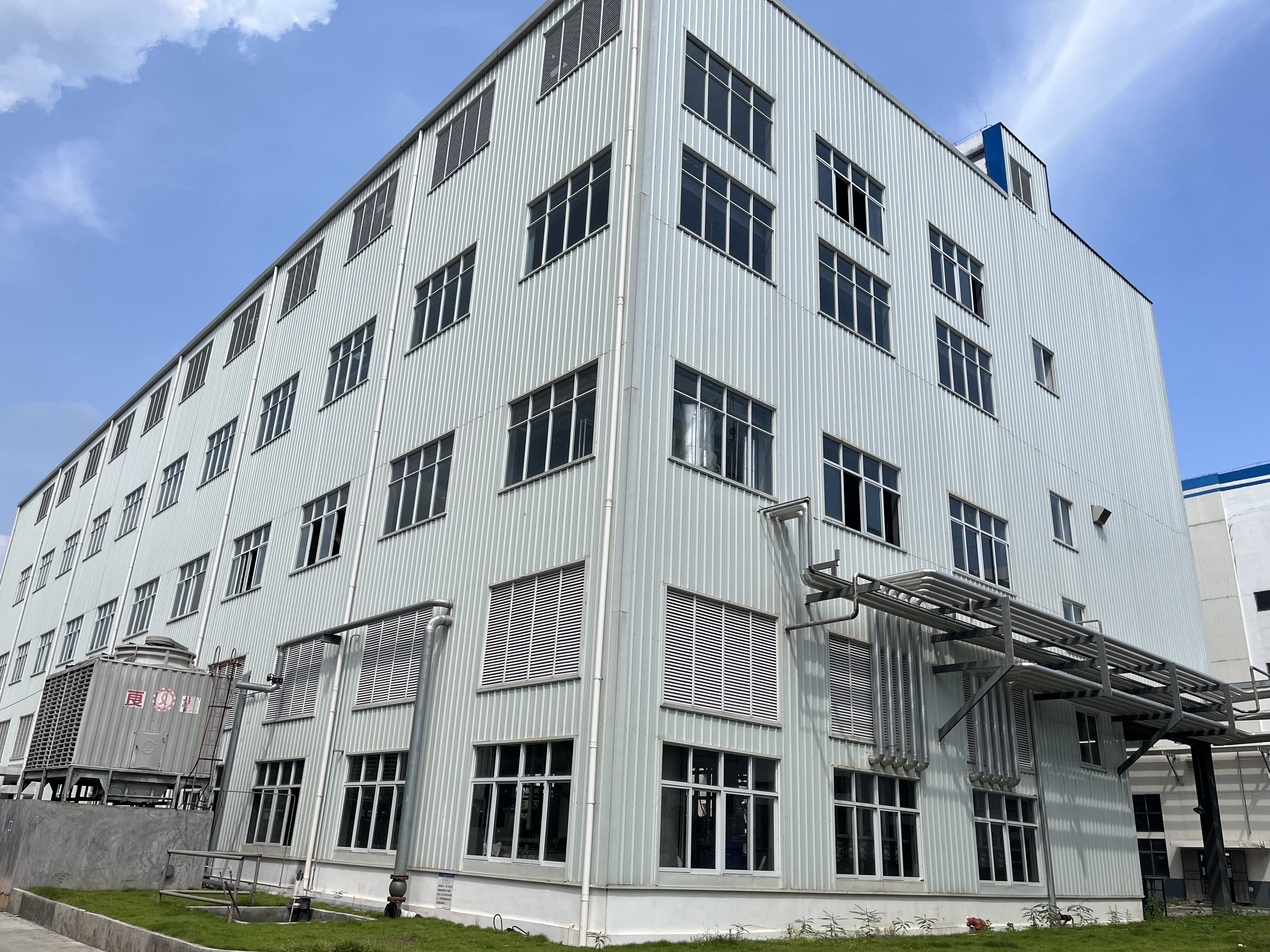
Why Speed Matters in Modern Metal Building Projects
Understanding the Demand for Fast-Track Metal Building Construction
Logistics companies, manufacturers, and energy firms are increasingly focused on getting projects built quickly to cut down on downtime and boost their bottom line faster. Techniques like prefabricated components and standardized engineering templates have made construction speeds jump by around half compared to old school methods. The timing really matters for these industries since any delay can throw entire supply chains off track or halt production completely. Recent market research from last year showed something interesting too: when metal buildings get occupied sooner rather than later, companies save about 22 percent on labor expenses and see returns on investment anywhere between four to seven months earlier than usual.
How Meeting Tight Deadlines Is Reshaping Client Expectations
Tight schedules have become standard expectations rather than exceptions. Clients now demand just-in-time material delivery, precision scheduling, and modular workflows. The cost of delay is significant: a stalled warehouse or factory can lose $12,000–$18,000 per day in productivity (FreightWaves, 2023), amplifying pressure on contractors to deliver on time.
Data Insight: 68% of Industrial Clients Prioritize Speed in Metal Building Delivery (McGraw Hill Construction, 2022)
Nearly 7 in 10 industrial clients rank construction speed above cost when selecting contractors—especially in time-sensitive sectors like cold storage and e-commerce fulfillment. This shift has driven leading firms to adopt advanced project management platforms and offsite fabrication to ensure timely delivery.
Design and Planning: The Foundation of Rapid Construction
Accelerating Planning and Design for Metal Buildings With Template-Based Engineering
Using templates in metal building design speeds things up because engineers can reuse components that already meet building codes. Most companies report saving around 30 to 50 percent on drafting time when they go this route instead of starting from scratch each time. Getting Building Information Modeling (BIM) involved right at the beginning of construction planning makes a big difference too. It catches problems where different systems might conflict and gets everything flowing smoothly long before crews show up on site. Take foundation plans for instance these can actually get approved even while the details about roofing are still being worked out something that about three quarters of industrial construction firms have adopted as their standard practice nowadays.
Early Involvement of Contractors to Prevent Rework and Change Orders
Getting metal building contractors involved during the initial design stages actually saves money down the road. According to research from McGraw Hill back in 2022, when these professionals jump in early, they can slash change orders by around 41 percent. Why? Because they know all about those pesky details nobody else thinks about first - like how long materials take to arrive or what the factory can realistically produce. When everyone works together from day one, we avoid those frustrating situations where something gets designed that just won't work in practice. Think about it: no more having to redraw plans for beams that are too big for the space, or insulation that simply doesn't fit with existing structures. These small but critical adjustments make all the difference in keeping projects on track and within budget.
Efficient Planning Tools: Gantt Charts, CPM, and Cloud-Based Platforms
| Tool | Functionality | Time Savings |
|---|---|---|
| Gantt Charts | Visualize task dependencies | 15–20% |
| Critical Path Method (CPM) | Prioritize high-impact activities | 25–30% |
| Cloud Platforms | Real-time collaboration & document control | 40%+ |
Cloud-based platforms like Procore centralize RFIs, permits, and shop drawings, enabling real-time updates across teams. These systems reduce decision-making lag from 72 hours to under 4 in urgent cases, making them essential for managing accelerated schedules.
Prefabrication and Modular Construction: The Core of Speed
How prefabrication and offsite construction reduce on-site labor time
When using prefabrication methods, around 60 to 80 percent of the work gets done in factories instead of job sites. This means no more waiting for good weather conditions and allows multiple tasks to happen at once. For instance workers can pour foundation concrete while the factory is making walls and roof sections simultaneously. A recent study from last year looked at various industrial construction projects and found that building off site cuts down on site labor time by almost half when compared to traditional stick built approaches. Construction teams put together these factory made parts with bolts rather than relying heavily on welding and cutting tools onsite, which saves both time and money in the long run.
Case Study: 40% faster assembly using modular metal components in a Texas warehouse project
A massive 150,000 square foot warehouse just outside Dallas set new benchmarks for construction speed using modular building techniques. When the shipment arrived, everything from structural columns to roof trusses and wall panels had already been punched out for electrical, plumbing and HVAC connections, with clear labels showing exactly where each piece went during assembly. What normally takes around 32 days? The crew managed to wrap up the enclosure work in just 19 days instead. That's cutting completion time by almost half thanks to factory precision and smart on site workflow management that eliminated wasted effort.
Synchronizing component delivery with on-time delivery protocols
Just-in-time delivery of prefab components requires precise coordination. Advanced software tracks each piece from factory QA through transit, with GPS-enabled trucks providing real-time ETAs. This allows crews to stage cranes and tools exactly when shipments arrive, preventing idle time and workflow disruptions.
Overcoming logistics challenges with adaptive project management
Unexpected road closures or supply shortages can threaten tight schedules. Successful teams use rolling 72-hour lookahead planning to anticipate bottlenecks and activate pre-approved alternate routes or secondary suppliers. During a Midwest project, managers rerouted 28 truckloads of steel panels overnight using dynamic weather modeling, avoiding an 11-day delay.
Precision Engineering and Quality Control Without Delays
Maintaining Precision in Construction and Quality Control Under Accelerated Timelines
Modern metal building projects maintain tolerances as tight as ±1mm throughout fabrication and assembly. Automated optical measurement tools verify 92% of structural connections before shipment, reducing field adjustments by 34% compared to traditional methods (Metal Construction Association, 2023). This level of precision supports accelerated timelines without compromising weld integrity or load-bearing performance.
Role of BIM and Digital Twins in Pre-Construction Validation
BIM is now critical for compressing schedules, with 4D simulations resolving 85% of design conflicts before groundbreaking. When paired with digital twin technology that simulates real-world stress conditions, teams achieve 97% first-pass approval rates on engineered drawings. This virtual validation eliminates weeks of back-and-forth between designers and fabricators.
Addressing Concerns: Can Rapid Metal Building Construction Compromise Long-Term Integrity?
Tests by independent labs show that speeding up construction doesn't actually compromise structural strength if everyone follows the right steps. When modular metal buildings went up in just 60 days, they held their own against conventional structures in recent 2024 ASTM tests. These fast-built models resisted wind uplift at 146 pounds per square foot and performed similarly during earthquake simulations. The key lies in sticking to AWS D1.1 certified welding standards and keeping track of all materials from start to finish. Manufacturers who pay attention to these details find their products last just as long through every stage of production, even when trying to cut down on time and costs.
Strategic Project Management for On-Time Delivery
Implementing Project Timeline Management and Milestone Tracking Effectively
Getting metal buildings erected quickly requires solid planning from day one. The best construction firms manage their schedules flexibly, dividing each job into distinct stages with specific checkpoints along the way. They monitor everything through online project management systems that keep everyone updated in real time. Industry stats show around two thirds of factory owners care more about fast delivery than low prices when it comes to their building projects. That's why experienced builders rely heavily on visual scheduling tools such as Gantt charts alongside traditional critical path analysis techniques to coordinate all the moving parts between different trade crews working on site simultaneously.
| Traditional Scheduling | Accelerated Approach |
|---|---|
| Linear task completion | Parallel workflows |
| Monthly progress checks | Daily milestone tracking |
| Manual coordination | Automated alerts for delays |
Using Adaptive Project Management to Handle Unexpected Site Conditions
Unforeseen issues—like soil instability or extreme weather—require flexible contingency planning. Forward-thinking firms reserve 10–15% of the schedule for adjustments while continuing offsite steel fabrication. This dual-track approach reduced weather-related delays by 41% in recent Midwest projects (Engineering News-Record, 2023).
Balancing Crew, Equipment, and Materials Through Smart Resource Management
- Crew optimization: Staggered shifts prevent congestion while supporting continuous progress
- Just-in-Time delivery: GPS-tracked shipments align precisely with assembly sequences
- Equipment sharing: Multi-functional machinery minimizes idle periods between tasks
Best Practices in Communication and Coordination in Construction Projects
Daily cross-functional briefings using BIM visualizations eliminate miscommunication between engineers and field crews. According to a 2023 Dodge Data report, projects using unified communication platforms achieve 93% on-time completion rates, compared to 67% for those relying on email. Clear, centralized communication is a cornerstone of successful fast-track delivery.
FAQ Section
What are the advantages of using prefabricated components in metal buildings?
Prefabricated components allow substantial parts of a building to be constructed offsite, which speeds up the construction process, reduces dependency on weather conditions, minimizes site labor, and decreases overall costs.
How does modular construction enhance the speed of building projects?
Modular construction involves assembling prefabricated components that are manufactured offsite. This enables faster assembly times as many processes can occur simultaneously, reducing the duration from project start to completion.
What role does Building Information Modeling (BIM) play in metal building construction?
BIM facilitates efficient project planning by detecting potential design conflicts early, allowing for a smoother construction process. It also provides a clear visualization of the project, enhancing coordination among teams.
Is rapid construction safe and durable?
Yes, when adhering to proper standards and processes, rapid construction can maintain safety and durability. Recent tests and standards, such as AWS D1.1 certified welding, verify that these fast-track projects can perform equally well as traditionally built structures.