
 EN
EN
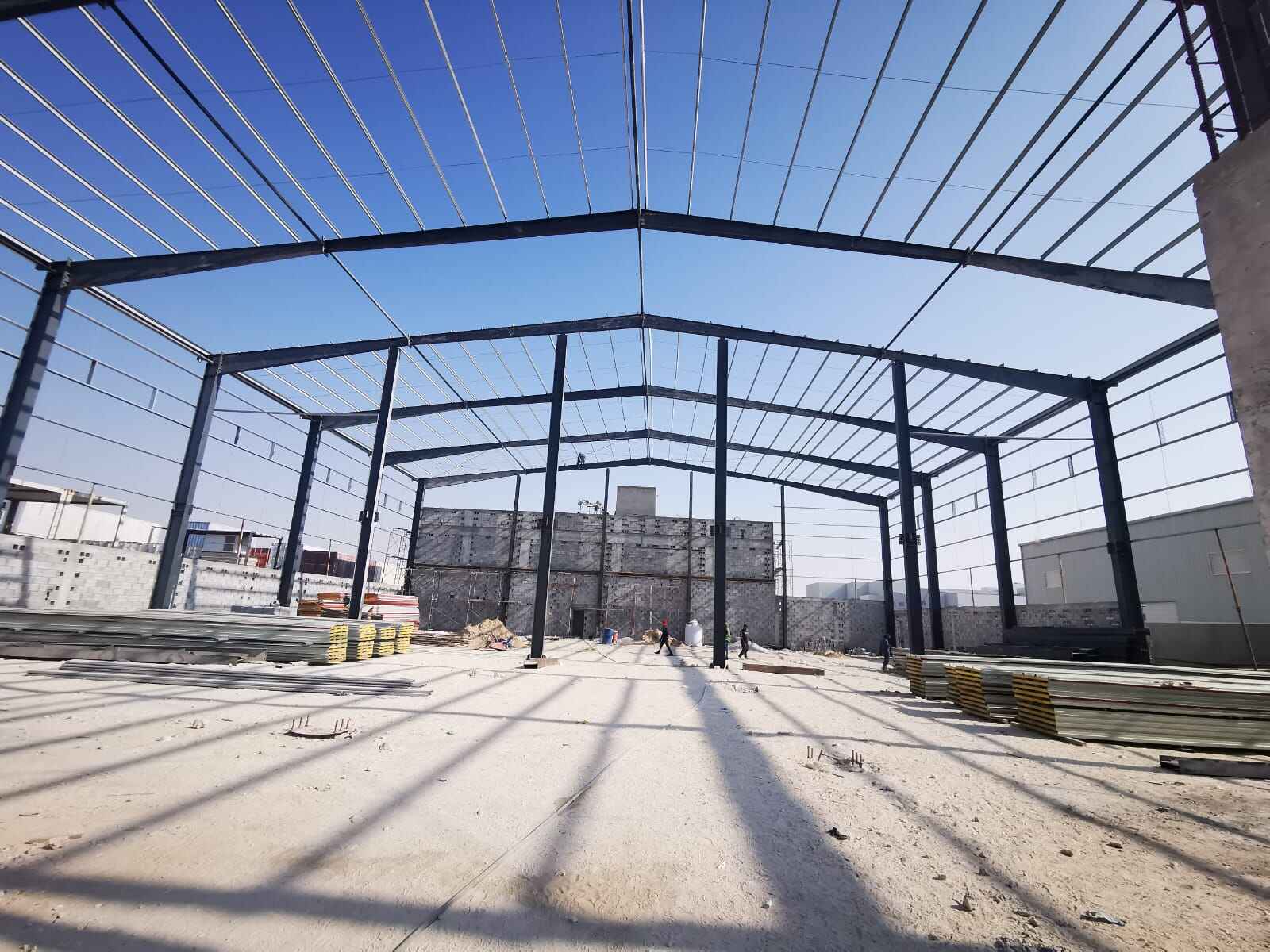
Why Chemical Resistance Matters in Industrial Metal Buildings
The Impact of Chemical Exposure on Factory Building Integrity
When chemicals get into factory structures, they start breaking things down over time. Materials left unprotected against industrial substances develop tiny cracks from constant exposure, which can cut their strength by around 30% after just five years of operation. Steel beams exposed to acid mists tend to crack faster because of stress corrosion issues, while concrete bases often flake away when hit with alkaline solutions. The problem gets worse once protective coatings wear off since this leaves the main structural parts open to all sorts of damage that spreads throughout the building. Factories that invest in proper chemical protection upfront save themselves major headaches later on, keeping their buildings intact through years of tough manufacturing conditions.
Common Corrosive Substances in Industrial Environments
Manufacturing facilities encounter three primary corrosive categories:
- Acids and solvents (sulfuric, hydrochloric) used in metal processing
- Alkaline solutions (sodium hydroxide, ammonia) from cleaning systems
- Salt aerosols in coastal plants and chloride compounds
Other dangers come from oxidizers present in different settings. Pharmaceutical plants often deal with hydrogen peroxide while wastewater treatment areas commonly handle industrial bleach products. The concentrations of these substances usually fall somewhere between 5 and 30 percent during normal operations. However when there's an accident or spill happens, it creates pockets where the concentration becomes much higher than usual. High humidity conditions over 60% combined with temperatures going past 38 degrees Celsius really accelerate how fast materials break down. Research shows this combination can actually make corrosion happen three times faster compared to standard conditions.
Consequences of Poor Chemical Resistance: Downtime and Safety Risks
| Risk Category | Operational Impact | Human Safety Threat |
|---|---|---|
| Structural Failure | Unplanned shutdowns (avg. 14 days/year) | Collapse hazards and falling debris |
| Containment Breaches | Product loss ($740k/incident) | Chemical exposure injuries |
| Emergency Repairs | 34% reduced production capacity | Welding/fix hazards in active zones |
When materials can't stand up to harsh chemicals, problems multiply fast. Factories often grind to a halt when they need to fix structural damage, costing around twenty three thousand dollars every single hour according to industry reports. And then there are those EPA fines whenever containment systems fail, which typically run well over one hundred and twenty thousand dollars each time it happens. The floors and support structures in many plants are also deteriorating, leading to slips and falls that make up nearly a quarter of all workplace accidents. That's why so many forward thinking companies are turning to industrial metal buildings designed specifically for chemical exposure. These structures incorporate specialized coatings and alloys that actually withstand aggressive substances without breaking down, keeping operations running smoothly even under tough conditions.
How Industrial Metal Buildings Resist Chemical Corrosion
Role of High-Performance Coatings and Surface Treatments
Metal structures used in industry need good protection against chemicals they encounter daily. Things like powder coating, galvanizing, and epoxy finishes form strong defenses that stop corrosive stuff from getting to the actual steel underneath. When it comes to fighting rust in acidic conditions, zinc rich primers work pretty well too. Some tests show around 94 percent success rate according to PCE Solutions research from last year. For places dealing with harsh chemicals, anodized aluminum makes all the difference. The lifespan gets extended somewhere between 30 and maybe even 50 percent longer than regular untreated surfaces. Before these protective layers get applied, they go through tough testing procedures. Many products can hold up for over 72 hours in those special salt spray tests which is really important if the building will be near coastlines or inside factories processing chemicals.
Corrosion-Resistant Alloys and Their Application in Metal Cladding
Stainless steel grades 304 and 316 dominate industrial metal building designs due to their chromium-nickel composition, which forms a self-repairing oxide layer upon contact with oxygen. For extreme conditions, manufacturers increasingly use:
| Alloy Type | Key Component | Corrosion Resistance Factor |
|---|---|---|
| Duplex Stainless | Chromium-Molybdenum | 5× higher than carbon steel |
| Nickel-Copper | Monel 400 | 98% sulfuric acid tolerance |
| Aluminum-Magnesium | 5xxx Series | Ideal for marine atmospheres |
These alloys are strategically deployed in roofing, wall panels, and structural supports where chemical splash zones occur.
Advancements in Surface Engineering for Long-Term Protection
Nanoceramic coatings today form bonds right down to the molecular level with metal surfaces, which makes them way better than regular paint when it comes to resisting wear and tear. Some tests even put their performance around 400% higher according to Surface Engineering Journal from last year. Then there are these self healing materials that contain tiny capsules inside them. When something scratches the surface, those capsules pop open and fill in gaps as small as half a millimeter wide. This helps keep things intact even after exposure to harsh conditions or chemicals. Looking at industry data, PEO treatment cuts down on maintenance expenses significantly too. Factories using this method save about 62% on repairs over fifteen years compared to older techniques. That kind of savings really matters for plants where downtime costs money and production must continue without interruption.
By combining these layered protection strategies, industrial metal buildings achieve corrosion resistance lifetimes exceeding 40 years, even in petrochemical or pharmaceutical environments.
Proven Durability of Metal Buildings in Harsh Industrial Conditions
Industrial metal buildings deliver exceptional durability in environments where chemical exposure, temperature extremes, and mechanical wear threaten conventional structures. Modern designs leverage advanced metallurgy and protective treatments to maintain functionality over decades, even in sectors like petrochemical processing where corrosive vapors and acidic residues accelerate material degradation.
Structural Longevity Under Continuous Chemical and Environmental Stress
Industrial metal buildings rely on special alloys and advanced surface treatments to hold up against harsh chemicals like chlorides, sulfides, and all sorts of industrial solvents that would eat through regular materials. Recent research from 2023 looked into this stuff and discovered something interesting about buildings with those fancy zinc-aluminum-magnesium coated steel panels. After sitting out there for a decade, these structures resisted pitting corrosion about four times better than old school galvanized steel options. For real world applications, manufacturers often apply multiple layers of protection. First comes an epoxy primer, then topped off with polyurethane coatings that basically form a seal against moisture and contaminants. And don't forget about those welded seams either they stop leaks right at the joints where problems tend to start, which matters a lot in facilities dealing with dangerous chemicals day in and day out.
Low Maintenance Requirements and Operational Continuity
Modern metal buildings stand up to corrosion much better than concrete options, cutting long term expenses by around 60% according to FM Global's latest data from 2024. The pre-coated panels don't need constant repainting, while special drainage designs stop water from sitting on surfaces which is really important for keeping rust at bay. For factories running day and night without breaks, this kind of durability makes all the difference. When equipment fails unexpectedly, some manufacturers lose upwards of fifteen thousand dollars every single hour just waiting for repairs. That's why so many industrial sites are switching to these metal structures these days.
Applications Across Chemical-Intensive Industries
Metal Buildings in Petrochemical, Pharmaceutical, and Manufacturing Plants
Metal buildings are essential across industries where chemicals take their toll, especially places like refineries, drug manufacturers, and heavy industry workshops. Regular construction materials just can't handle the daily assault from harsh solvents, strong acids, and corrosive substances these sites deal with all day long. That's why specially designed metal structures hold up so well in such brutal environments. Refineries need them to safely contain dangerous hydrocarbons during processing. Pharmaceutical companies depend on metal surfaces that resist bacteria growth to maintain cleanrooms. And factories working with greasy lubricants and industrial waste find metal frames much more durable than other options over time.
Custom Engineering Solutions for Sector-Specific Challenges
Custom solutions tackle different corrosion problems found in various industrial settings. For instance, petrochemical operations often install vapor barrier coatings to stop those pesky acidic fumes from getting through, whereas pharma companies go for smooth interior surfaces that prevent bacteria buildup and can handle all that cleaning and sterilizing they need to do regularly. Factories dealing with harsh chemicals see real benefits when they reinforce certain parts with specific alloys designed for the job, especially where they're working with strong coolants or waste streams. These kinds of smart engineering choices come straight out of advances in material sciences research. According to Plant Engineering's report from last year, this approach cuts down on unexpected maintenance stops by around 40%, which means equipment lasts longer even under tough chemical conditions.
FAQ
What causes chemical degradation in factory buildings?
Chemical degradation is caused by the exposure of unprotected materials to substances such as acids, alkalis, and solvents. This process can result in material cracking, flaking, or corrosion.
Why are metal buildings suitable for chemical-intensive environments?
Metal buildings are ideal for these environments due to their protective coatings, resistant alloys, and advanced engineering. These features ensure durability and protection against corrosive substances.
What types of chemicals are most damaging in industrial settings?
Acids (e.g., sulfuric, hydrochloric), alkalis (e.g., sodium hydroxide), and salt aerosols are the main corrosive substances in such settings. Other damaging agents include oxidizers like hydrogen peroxide.
What is the long-term benefit of corrosion-resistant industrial buildings?
Industrial metal buildings reduce maintenance costs, ensure operational continuity, and prevent structural damage over decades, even in environments with harsh chemicals.
How do coatings and alloys improve chemical resistance?
Coatings like epoxy and galvanizing prevent chemicals from reacting with base metals, while advanced alloys like stainless steel provide inherent resistance to corrosive environments.
Table of Contents
- Why Chemical Resistance Matters in Industrial Metal Buildings
- How Industrial Metal Buildings Resist Chemical Corrosion
- Proven Durability of Metal Buildings in Harsh Industrial Conditions
- Applications Across Chemical-Intensive Industries
-
FAQ
- What causes chemical degradation in factory buildings?
- Why are metal buildings suitable for chemical-intensive environments?
- What types of chemicals are most damaging in industrial settings?
- What is the long-term benefit of corrosion-resistant industrial buildings?
- How do coatings and alloys improve chemical resistance?