 EN
EN
What Are Steel Building Kits—and Why They're Gaining Momentum
Steel building kits come as factory-made packages with all the parts already cut to size columns, beams, roof panels, bolts everything needed for quick setup at the job site. The modular approach means no need for extra welding or cutting on location, which can slash labor expenses almost in half compared to regular construction methods. Plus these structures stand up well against harsh weather conditions, won't catch fire easily, and resist rust better than most alternatives. Looking at market trends tells the same story about their appeal. According to Vantage Market Research, the prefabricated steel building industry should hit around $150 billion worldwide by 2030. Why? Because businesses love how these systems scale up easily, keep costs stable from start to finish, and get projects completed much faster than traditional builds. Farmers, warehouse owners, and even school districts are turning to prefabs for barns, storage facilities, and classrooms where time matters.
Key advantages include:
- Material efficiency: CAD/CAM manufacturing minimizes waste, and steel’s 25% higher strength-to-weight ratio than wood enables lighter, stronger frames with fewer structural supports.
- Rapid deployment: Fully coordinated kits arrive in one shipment with clear assembly instructions—supporting DIY builds or professional installation in weeks, not months.
- Operational versatility: Configurable for warehouses, retail centers, aircraft hangars, or farm facilities, with layouts tailored to workflow, storage, and access needs.
Top manufacturers are putting flexibility right at the heart of their engineering these days. They offer various roof options, walls with insulation, and frames ready for accessories. All these features meet local zoning rules, energy regulations, and specific climate standards such as those from ASCE 7 regarding wind and snow loads. When we look at how performance meets adaptability while staying aligned with building codes, steel building kits become something much more than simple infrastructure. They represent smart investments for businesses looking ahead.
Key Advantages of Steel Building Kits for Business Owners
Speed of Installation and Reduced Labor Costs
Using prefabricated parts means no need for on site measurements, cuts, or fittings, which can really cut down how long construction takes sometimes by half. Standardized connections that just bolt together plus less coordination between different trades means most projects wrap up in around 3 to maybe 7 months instead of the usual 6 to 12 months when building traditionally. The labor required goes down about 30 to 40 percent, saving money somewhere between $15 and $30 for every square foot according to what we see in the industry these days. Getting buildings ready sooner helps bring in money faster and makes financial planning much easier, something that matters a lot for businesses expanding quickly or those operating seasonally where timing is everything.
Durability, Low Maintenance, and Long-Term ROI
Steel building kits are built to handle IBC and NFPA requirements and stand up against all sorts of challenges including fires, strong winds, earthquakes, and damage from moisture over time. The hot dip galvanization process gives these buildings protection against rust for around 40 years which is way beyond what wood structures need in terms of regular maintenance. Plus, this coating actually helps cut down on insurance costs by about 15 percent according to some studies from 2022. These steel structures typically last well past 50 years with almost no need for repairs or replacements during that time frame. When looking at return on investment over a 30 year period, they generally offer between 20 to 35 percent better returns than traditional construction methods. And don't forget about the insulation features that come integrated into many designs these days. Those can really slash annual energy expenses by as much as 30 percent depending on how efficiently they're installed.
How to Choose the Right Steel Building Kit for Your Project
Assessing Load Requirements, Local Codes, and Climate Factors
The foundation of any good design starts with understanding the specific engineering requirements for the site. Factors like snow load capacity, wind speed ratings, and seismic zone classifications need to match both ASCE 7 standards and whatever local building codes apply. Failure to meet these basic requirements causes major headaches down the road - according to a recent industry report from last year, around two thirds of all unnecessary project delays stem from code violations right at this stage. Then there's the matter of municipal regulations which can be just as tricky. Zoning laws typically set rules about how far back structures need to be from property lines, maximum allowable heights, and even what kinds of exterior finishes are permitted. Getting ahead of these issues means talking to city officials before drafting begins, something many contractors regret skipping until later stages when changes become costly. For projects located near saltwater environments or places with consistently high humidity levels, specifying materials like ASTM A653 or A792 galvanized steel makes sense. Galvalume steel works well too. These choices help buildings resist corrosion over time while keeping maintenance needs minimal, which saves money in the long run.
Customization Options: Size, Roof Style, and Accessory Integration
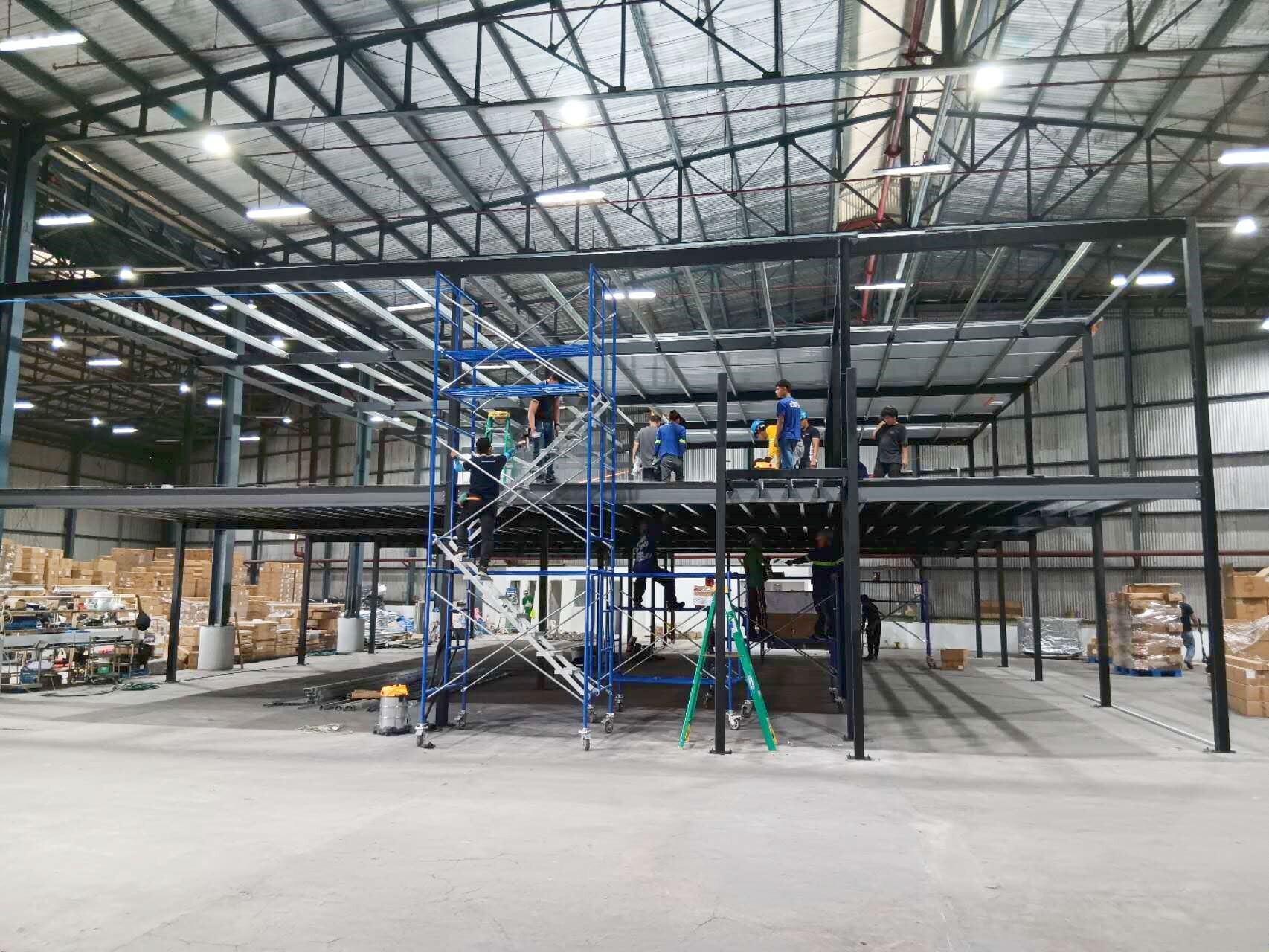
Modern kits support spans up to 300 feet and clear heights exceeding 60 feet—ideal for vertical storage, mezzanines, or large-bay logistics. Roof style impacts both function and compliance: gable roofs optimize attic ventilation and snow shedding; single-slope designs suit additions or drainage-controlled sites. Prioritize integrated features during design:
- Factory-installed insulation systems (e.g., R-30+ cavity + liner panels) that cut energy use by 30% annually
- Structural skylight curbs for natural daylighting without compromising integrity
- Pre-punched wall panels and reinforced jambs for seamless overhead door integration
All major accessories—including crane systems, HVAC mounts, and solar racking—are engineered into the frame, enabling phased expansion without structural retrofits.
Steel Building Kits vs. Traditional Construction: A Cost and Timeline Comparison
Steel building kits consistently outperform traditional construction in upfront cost, schedule reliability, and lifecycle value. Pre-engineered systems average $15–$43 per square foot, well below traditional commercial builds at $100–$200 per square foot (2023 industry data), thanks to factory precision, reduced labor, and minimal material waste.
Timeline differences are equally decisive:
| Factor | Steel Building Kits | Traditional Construction |
|---|---|---|
| Design Phase | 2–3 months | 4–6 months |
| Construction Duration | 3–6 months | 6–12 months |
| Labor Intensity | 30–40% less | High |
Steel kits last much longer than traditional options too. We're talking about over 50 years before major replacement is needed, with almost no maintenance required along the way. Compare that to standard buildings which typically need significant work after 30 to 40 years because of constant repairs, pest problems, and all the weather protection measures they require. Studies looking at lifetime costs show steel solutions can save between 10% and 25% when considering everything from financing and insurance to ongoing energy bills and maintenance expenses. For companies wanting to get their operations up and running quickly while maintaining stability through tough times, steel makes financial sense in the long run. The initial investment pays off as these structures retain their value far better than conventional alternatives over decades of use.
Frequently Asked Questions
- What are steel building kits? Steel building kits are factory-made packages with pre-cut components designed for quick onsite assembly, providing cost-efficient and durable infrastructure solutions.
- Why are steel building kits gaining popularity? Their modular setup reduces labor costs and facilitates rapid construction, making them appealing for various industries seeking efficient solutions.
- How do steel building kits compare to traditional construction? They offer lower initial costs, reduced construction timelines, and superior long-term value compared to traditional methods.
- What factors should be considered when choosing a steel building kit? Project-specific requirements such as load demands, local building codes, and climate considerations are essential in selection.
- What customization options are available for steel building kits? Kits can be customized in terms of size, roof styles, and accessory integration to meet individual project needs.