 EN
EN
How Prefabricated Steel Buildings Accelerate Project Timelines
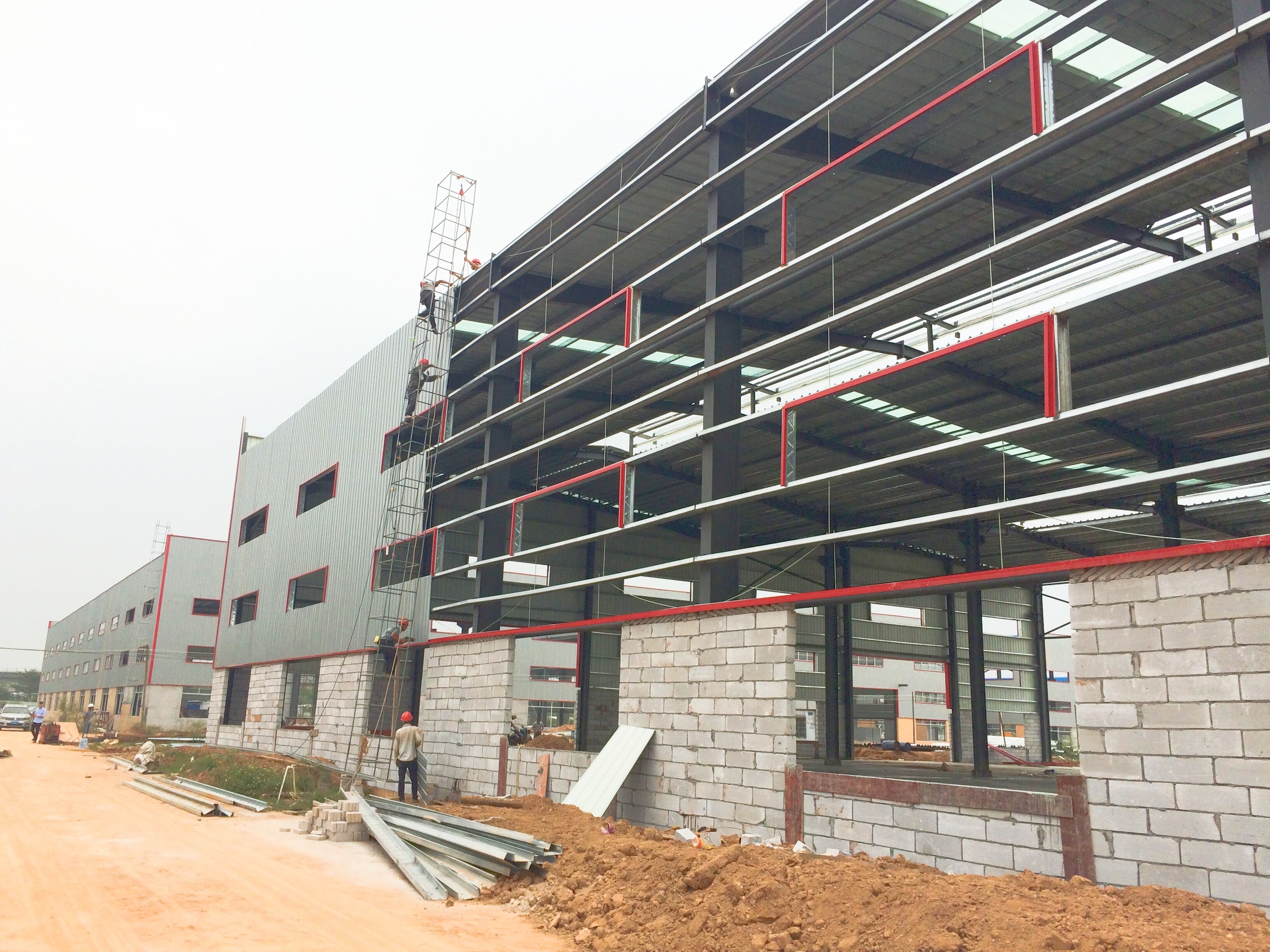
Steel buildings made in factories cut down construction time quite a bit because different parts of the job can happen at once. The main structural pieces get built in controlled environments away from the actual site while workers are already digging foundations and preparing the ground where the building will go. When these two processes run side by side, whole projects finish much faster than traditional methods allow. Some estimates put the time savings around 30 to maybe even 50 percent. For businesses needing warehouse space or distribution facilities, this means getting operations up and running weeks or sometimes months earlier than they would otherwise.
Off-Site Fabrication and Concurrent On-Site Preparation
When structural components show up already built, drilled, and clearly marked, they're basically plug-and-play ready to go right onto the jobsite. No need to waste time with measurements, snip away at materials, do spot welds, or wait around for concrete to set anymore. Take a standard commercial warehouse project for instance. If the factory work happens at the same time as preparing the ground and pouring the foundation slab, the whole thing gets finished about a month faster than usual. Prefab just cuts out all those waiting periods between steps. Crews stay busy instead of twiddling their thumbs while one part of the process finishes before another can start. The workflow stays smooth and steady throughout construction.
Reduced Weather Dependency and Minimized Downtime in Commercial Builds
When it comes to bad weather, steel erection doesn't really care if it's raining, snowing, or freezing outside. Concrete work tells a different story though since placing and curing concrete needs just right conditions. Steel doesn't have these issues because there's no waiting for it to cure or worrying about moisture getting into the mix. For construction managers, this means they don't need to build extra time into schedules for unexpected weather changes. According to industry reports, steel structures face about two thirds fewer delays caused by bad weather compared to similar concrete projects. That makes sense when looking at how many construction sites operate throughout all seasons. The ability to keep working regardless of what Mother Nature throws our way becomes super important in commercial real estate markets where tenants want spaces ready now, not next quarter, and businesses depend on facilities being available during peak seasons.
The Inherent Structural Strength of Prefabricated Steel Buildings
High Yield Strength, Load-Bearing Capacity, and Seismic Performance
The impressive strength of steel, usually between 36,000 and 50,000 pounds per square inch, means it can handle serious weight loads. This makes it ideal for things like supporting heavy machinery, creating mezzanine floors, and building large open spaces over 300 feet wide without needing those annoying interior support columns everywhere. Steel also has something called ductility, which basically means it can bend and stretch rather than break when subjected to sudden forces. During earthquakes or other shaking events, this property helps buildings stay standing even when they're being pushed around. When builders follow the latest ASCE 7-22 guidelines, incorporating features like braced frames and strong connection points, plus making sure everything is fabricated properly at the factory, prefabricated steel structures become much safer options. Studies show these buildings have about a 70% lower chance of collapsing compared to traditional brick or wooden buildings in areas prone to disasters.
Corrosion Resistance and Long-Term Durability with Modern Protective Coatings
Protective systems today are built to last for many decades without failing. Take hot dip galvanization for instance it works by applying a layer of sacrificial zinc coating that stands up against oxidation even when exposed to harsh conditions near coasts or inside industrial zones. These coatings can actually hold out for well over fifty years before showing signs of wear. When combined with epoxy polyurethane hybrids, we get something special these finishes create self healing barriers that keep moisture at bay. Lab tests show they maintain around 95 percent effectiveness even after thirty plus years of real world exposure. There are other approaches worth mentioning too. Powder coated surfaces help fight off UV damage while ceramic modified topcoats protect against chemicals. For areas with lots of humidity, sacrificial anode systems come into play. All these different layers work together to reduce material loss down to under half a millimeter every ten years. What does this mean practically? Maintenance costs end up being roughly forty percent lower throughout their lifespan compared to traditional reinforced concrete alternatives.
Integrated Efficiency: Design-Build Synergy in Prefabricated Steel Buildings
Design-build has become pretty much the go-to approach for getting the most out of prefabricated steel construction because it brings together architects, engineers, and manufacturers all under one roof so to speak. When we eliminate those old fashioned handoffs between different departments working in their own little bubbles, everyone can actually work together in real time. Decisions get made faster and problems with how things will actually be built tend to show up earlier on. This helps cut down on wasted materials something like 30% compared to the old design-bid-build method where everything gets passed around like a hot potato. Building Information Modeling, or BIM for short, acts as our main coordination tool these days. With BIM, engineers and fabricators can simulate connections, check tolerances, and figure out assembly sequences digitally long before any metal hits the floor. The result? Parts fit together almost perfectly when they arrive on site, which means fewer adjustments needed later. This whole integrated approach lets projects get deployed quickly while still maintaining good quality standards. That makes design-build especially attractive for facilities where timing matters a lot like emergency command centers, cold storage facilities, or high tech manufacturing spaces. And let's not forget about steel itself. Its stable dimensions and ability to adapt really play well with this system, making even complicated custom designs possible without breaking a sweat.
FAQ
What is the main advantage of prefabricated steel buildings?
The main advantage of prefabricated steel buildings is the significant reduction in construction time due to simultaneous off-site fabrication and on-site preparation, which results in earlier project completion.
How does weather affect prefabricated steel construction?
Prefabricated steel construction is less affected by weather conditions as compared to traditional concrete construction, allowing for fewer project delays due to weather changes.
Are prefabricated steel buildings durable?
Yes, prefabricated steel buildings are highly durable with modern protective coatings such as hot dip galvanization and epoxy polyurethane hybrids, which offer long-term durability and resistance to corrosion.
How does the design-build approach benefit prefabricated steel construction?
The design-build approach integrates architects, engineers, and manufacturers, leading to faster decision-making, less material waste, and improved project efficiency through real-time collaboration and advanced tools like Building Information Modeling (BIM).