
 EN
EN
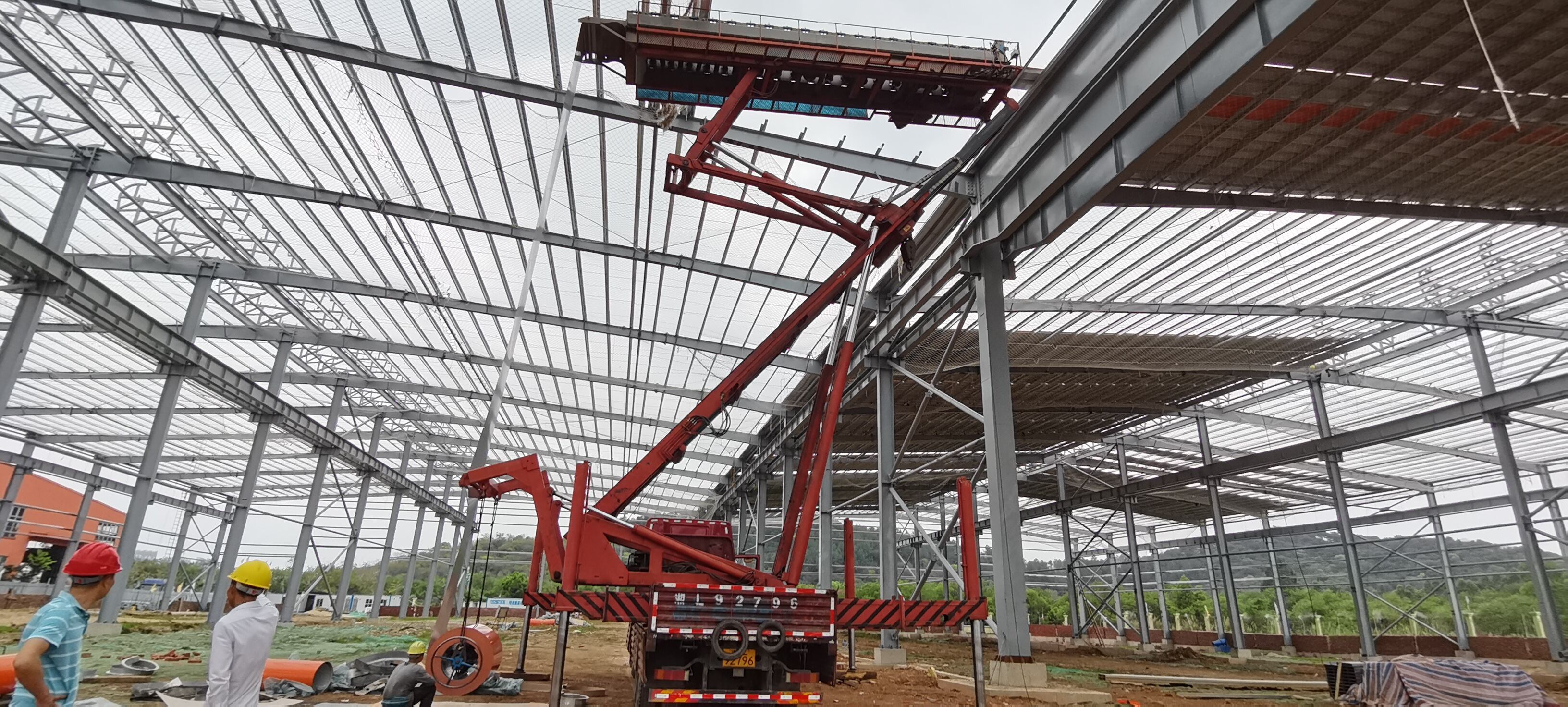
Why Steel Structure Design Flexibility Enables Phased Expansion
Modular and Pre-Engineered Steel Structures: Standardized Connections for Seamless Growth
Steel buildings designed with pre-engineered systems typically feature bolted connections right from day one, making them ready for expansion as needs grow. The way these structures work lets businesses add extra spaces like new storage areas, side extensions, or even second floors without tearing anything down or doing extensive renovations. Parts get made at factories where quality control is better, so dimensions match up closely. This cuts down on site welding work by about 70 percent compared to traditional building methods. When companies want to expand later, everything fits together quickly and accurately without compromising the overall strength of the building. Smart builders actually plan for future growth when they first design these structures. They reinforce columns, stretch out roof supports, and install special connectors that can handle additional weight. This forward thinking approach makes it possible to grow the facility sideways or upwards without much disruption to daily operations.
Real-World Validation: How 78% of Industrial Clients Prioritize Expandability in Initial Steel Structure Contracts
These days scalability isn't just something nice to have anymore, it actually gets written into contracts these days. According to a survey done in 2024 by Industrial Construction, around three quarters of logistics and manufacturing companies want clauses about possible expansions included right from the start when they sign up for steel structures. Makes sense really. People have learned the hard way that trying to modify buildings later on costs anywhere between 40 to 60 percent more than building with growth in mind from day one. And interestingly enough, this same research found that companies which went with phased steel expansions got into their new workspaces about 30 percent quicker compared to businesses stuck with traditional concrete methods. So yeah, being able to grow without tearing everything down definitely speeds things up both in terms of getting returns on investments and how quickly operations can adapt.
Proven Horizontal and Vertical Expansion Techniques for Steel Structures
Leveraging Existing Column Grids: Lean-Tos, Bay Additions, and Height Increases
When expanding steel structures, the current column grid stands out as something really worth keeping. Lean-to additions work great for adding extra space sideways. Just attach new rafters to those outer columns and suddenly there's sheltered storage or staging areas without breaking the bank or taking forever to build. Then we have bay additions that basically copy what's already there between columns. These are perfect when production lines need to stretch out in straight lines. Want to go higher? Engineers can splice columns together either by bolting or welding, which lets buildings grow upwards while still looking good structurally. The important thing about all these additions is they use standard bolts on site for connections. This keeps everything flexible if changes are needed later down the road and also prevents problems from bad welds concentrating stress in certain spots.
Load Path Integrity: Structural Integration Strategies That Preserve Safety and Code Compliance
Keeping load paths continuous remains essential for any safe expansion project that meets building codes. When adding new components, they need to connect properly with existing lateral bracing systems, floor diaphragms, and moment frames. Usually this means installing special moment connections or reinforcing gusset plates at key points. Before breaking ground, engineers run digital models to check how loads will redistribute across the entire structure. This helps spot potential problem areas where stresses might concentrate unexpectedly. During construction, temporary supports hold up nearby sections while workers make these critical connections. For welds and bolts in high stress areas, teams perform non-destructive tests to verify everything holds together as designed. Good expansion plans actually exceed basic code requirements by including backup load paths throughout the structure. These extra redundancies prepare buildings for possible future changes like earthquake retrofitting, updated wind standards, or when facility layouts get rearranged later on without needing major structural overhauls.
Minimizing Cost, Time, and Operational Disruption During Steel Structure Expansion
Off-Site Fabrication vs. On-Site Welding: Balancing Speed, Precision, and Downtime for Steel Structure Upgrades
The choices made about how things get fabricated can really make or break a project. When components are made off site in those controlled factory environments, projects tend to finish much faster too. We're talking somewhere between 40 and 60 percent reduction in timeframes, plus labor costs drop by around 30% when work isn't happening onsite all the time. Plus, there's hardly any waste left over, usually under 5%. The factories just do such precise work that pieces fit together without problems, which speeds up the whole assembly process and saves money on fixing mistakes later. On the flip side though, sometimes nothing beats doing the welding right at the job location. This approach works wonders when dealing with tricky situations like adding reinforcement near running equipment or adjusting connections that don't quite match up. But this flexibility comes at a price tag. Projects typically take 25 to 50% longer because bad weather stops progress, tasks have to happen one after another rather than simultaneously, and certain steps need to be done in specific order for safety reasons.
The impact on downtime matters a lot in facility planning. Prefab expansions let companies install components in stages, keeping around 70 to maybe even 90 percent of nearby operations running during construction. But when it comes to on site welding, things get tricky because these projects usually require complete shutdowns especially in areas where safety is critical. Take those common additions like lean-tos, mezzanine floors, or extra bays - most contractors find that building them away from the main site works best for balancing productivity and progress. There are exceptions though. Sometimes the structure needs continuous support throughout installation, such as adding new crane supports directly into an active manufacturing area. That's when skilled welders need to be onsite right from day one. Looking at recent industry trends shows why this mixed method makes sense. About three out of four industrial expansion projects combine prefab components with strategic on site welding, using factory made parts for the main framework but leaving space for custom connections where needed.
Key Considerations Before Modifying a Steel Structure for Expansion
When expanding steel structures, good planning matters a lot more than most realize. It's not just about following building codes either. Safety, ongoing operations, and what the building will be worth down the road all depend on getting this right from day one. Start by looking at the foundation first. Test the soil and check how strong those original footings really are. Many older buildings weren't designed with expansions in mind, so their foundations might struggle under extra weight. The materials used for new additions need to match exactly what was there before. Mismatched steel grades or different corrosion protection levels can cause problems over time, like unexpected rust spots or weak points where stress builds up. Connections between old and new parts should be carefully planned too. Bolted joints generally last longer and allow for easier modifications later compared to spot welds done on site during construction. Get someone qualified to look at everything. A licensed structural engineer needs to go through the blueprints, confirm everything meets today's standards for things like wind loads, snow accumulation, and earthquake risks, then give approval for any changes. Off-site fabrication works wonders here too. Building components away from the main site cuts down on delays and keeps regular business activities going while work happens. When done properly, these expansions actually become assets rather than headaches down the line.
FAQ Section
What are the benefits of using pre-engineered steel structures?
Pre-engineered steel structures offer high flexibility for expansion, reduced onsite welding work, and faster assembly as components are factory-made with precise dimensions.
Why is expandability prioritized in steel structure contracts?
Expandability is prioritized as it significantly reduces costs associated with modifications later on and accelerates project completion speed, offering better returns on investments.
What techniques are used for horizontal and vertical expansion in steel structures?
Techniques include leveraging existing column grids for lean-to additions, bay additions, and height increases using bolted or welded connections while preserving load path integrity.
How does off-site fabrication compare to on-site welding?
Off-site fabrication reduces project timelines and labor costs while minimizing waste. On-site welding offers customization but takes longer due to sequential tasks and weather-dependent progress.
What considerations should be made before modifying a steel structure?
Assess foundation strength, match materials used in expansions, plan connections between old and new parts carefully, and ensure compliance with relevant building codes with the help of a structural engineer.
Table of Contents
- Why Steel Structure Design Flexibility Enables Phased Expansion
- Proven Horizontal and Vertical Expansion Techniques for Steel Structures
- Minimizing Cost, Time, and Operational Disruption During Steel Structure Expansion
- Key Considerations Before Modifying a Steel Structure for Expansion
-
FAQ Section
- What are the benefits of using pre-engineered steel structures?
- Why is expandability prioritized in steel structure contracts?
- What techniques are used for horizontal and vertical expansion in steel structures?
- How does off-site fabrication compare to on-site welding?
- What considerations should be made before modifying a steel structure?