 EN
EN
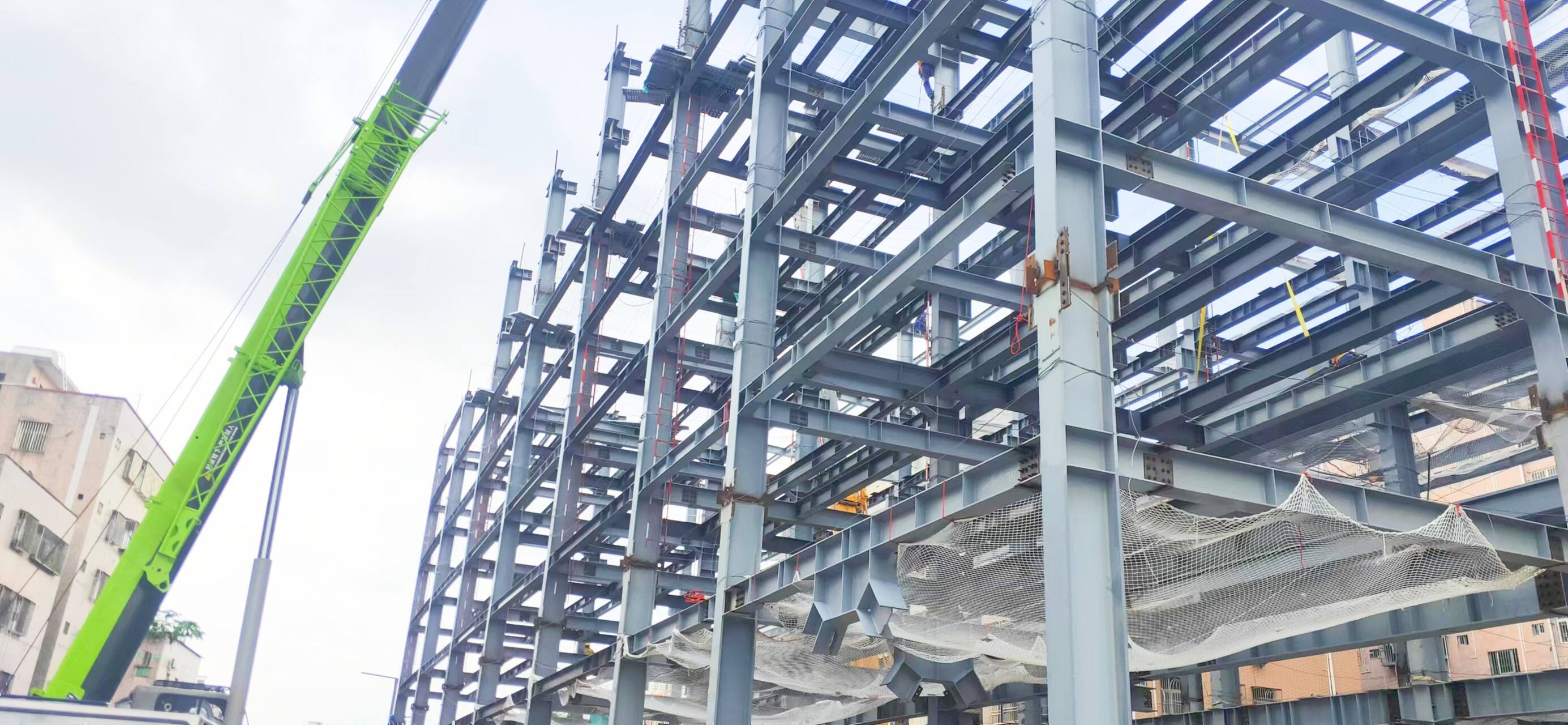
Why Pre-Engineered Steel Buildings Excel in High-Wind Environments
Strength-to-Weight Ratio and Its Role in Wind Load Distribution
Steel buildings that are pre-engineered offer something special when it comes to strength compared to their weight. They beat out traditional stuff like concrete and brick by quite a margin. The way these steel frames work is pretty smart actually. Instead of just sitting there waiting for winds to hit them, they have these really solid connections between parts that guide the force right through the whole building. Think about how a tree bends in a storm but doesn't snap. This approach spreads out the wind's power evenly throughout the structure so there aren't those hot spots where everything might break. And here's another thing worth mentioning. Cold formed steel components keep holding strong even though they weigh around 60 percent less than similar concrete structures according to ASCE standards from 2022. That lighter weight means less strain on the building when sudden changes in air pressure happen, which makes these structures much safer overall.
Inherent Ductility and Energy Absorption During Gust Events
The way steel is structured at the molecular level gives it really good ductility, which makes all the difference when dealing with those sudden wind loads that come and go. Concrete that isn't reinforced tends to break easily, but steel actually bends and stretches when strong gusts hit it, taking in the energy from the wind without getting permanently damaged. This kind of flexibility stops things from snapping suddenly and lets buildings move safely and predictably even during big storms. Looking back at what happened in past hurricanes shows us something interesting: steel buildings that are properly anchored can survive winds over 160 miles per hour. They do this by letting certain parts give way intentionally at their connections, which helps absorb the destructive force through a process called hysteresis. This keeps the building intact overall while also protecting people inside.
Key Structural Features That Enhance Wind Resistance in Pre-Engineered Steel Buildings
Integrated Bracing Systems: Diagonal Rods, K-Braces, and Moment Frames
Steel buildings that are pre-engineered come with special bracing systems made specifically for handling strong sideways forces. The diagonal rods create straightforward paths for loads moving from roofs and walls down to the foundation. Then there are these K-braces which add triangular stiffness against twisting motions. And don't forget about moment frames either those have beams connected to columns through full welds, giving just the right mix of stiffness and give when necessary. All these components work together so the building can handle winds going over 150 miles per hour. According to FEMA Region IV data, this design actually cuts down on structural failures by around 72% when compared with regular buildings that aren't pre-engineered. Pretty impressive stuff if you ask me.
Roof and Wall Cladding Anchorage Standards for Uplift and Shear Resistance
The integrity of cladding typically serves as both protection and weak spot during severe wind conditions. Modern pre-engineered systems incorporate various anchoring methods after extensive testing to handle uplift and shear forces. They include things like perimeter fasteners spaced roughly every foot or so, base plates secured with epoxy for extra strength, and those interlocking roof panels that act together as one solid unit. When strong winds hit, these design elements actually redirect vertical pressure horizontally across the building structure. This means the cladding stays on even when winds exceed 130 miles per hour, stopping that gradual peeling effect that damages buildings and creates dangerous pressure imbalances inside structures over time.
Real-World Validation: Performance of Pre-Engineered Steel Buildings in Hurricane Conditions
Texas Coastal Facilities (2021-2023): Zero Structural Failures at 150+ mph Winds
The way buildings have held up along Texas's hurricane vulnerable coast tells us something important about real world results. From 2021 right through to 2023, several industrial sites stood their ground even when hit hard by category four storms. Some were actually in the direct path of these massive hurricanes yet somehow managed to avoid any major structural damage. These facilities faced winds blowing at well over 150 miles per hour plus all sorts of flying debris. Engineers point to three main factors behind this success story: continuous load paths that distribute forces evenly, carefully designed connections between components, and strict following of the latest ASCE 7-22 standards for wind resistance. What we see here is proof positive that good engineering doesn't just exist on paper it actually saves lives and protects property during nature's worst moments.
FEMA Region IV Data: 72% Lower Failure Rate vs. Conventional Steel Structures
Looking at FEMA Region IV's storm damage reports from 2021 through 2023 really highlights the benefits we're talking about here. The numbers show something pretty striking: buildings made with certified pre-engineered steel had about 72 percent fewer structural failures compared to regular steel buildings when hit by the same hurricanes. What makes this difference isn't just about what materials are used. It comes down to how these structures are designed as complete systems with built in redundancies and flexibility features that traditional buildings just don't have unless someone spends extra money on special engineering solutions for each project.
Frequently Asked Questions
What is a pre-engineered steel building?
A pre-engineered steel building is a structure that uses prefabricated steel components designed to fit specific requirements and dimensions, offering more efficient construction and enhanced performance in various conditions, including high-wind environments.
How do pre-engineered steel buildings handle high winds?
They handle high winds due to a combination of strong, lightweight construction, flexible ductility, and well-thought-out design elements like bracing systems and cladding anchorage that distribute wind loads evenly throughout the structure.
Why are pre-engineered steel buildings more successful in hurricane conditions?
These buildings perform better in hurricane conditions due to meticulous engineering that ensures strong connections, continuous load paths, and adherence to up-to-date standards, demonstrated by their success in surviving hurricanes with minimal damage.
What are the benefits of using steel over traditional building materials like concrete?
Steel offers a better strength-to-weight ratio, enhanced flexibility, and superior energy absorption in high-wind environments compared to traditional materials like concrete, making it a safer choice for structures in areas prone to strong winds.