
 EN
EN
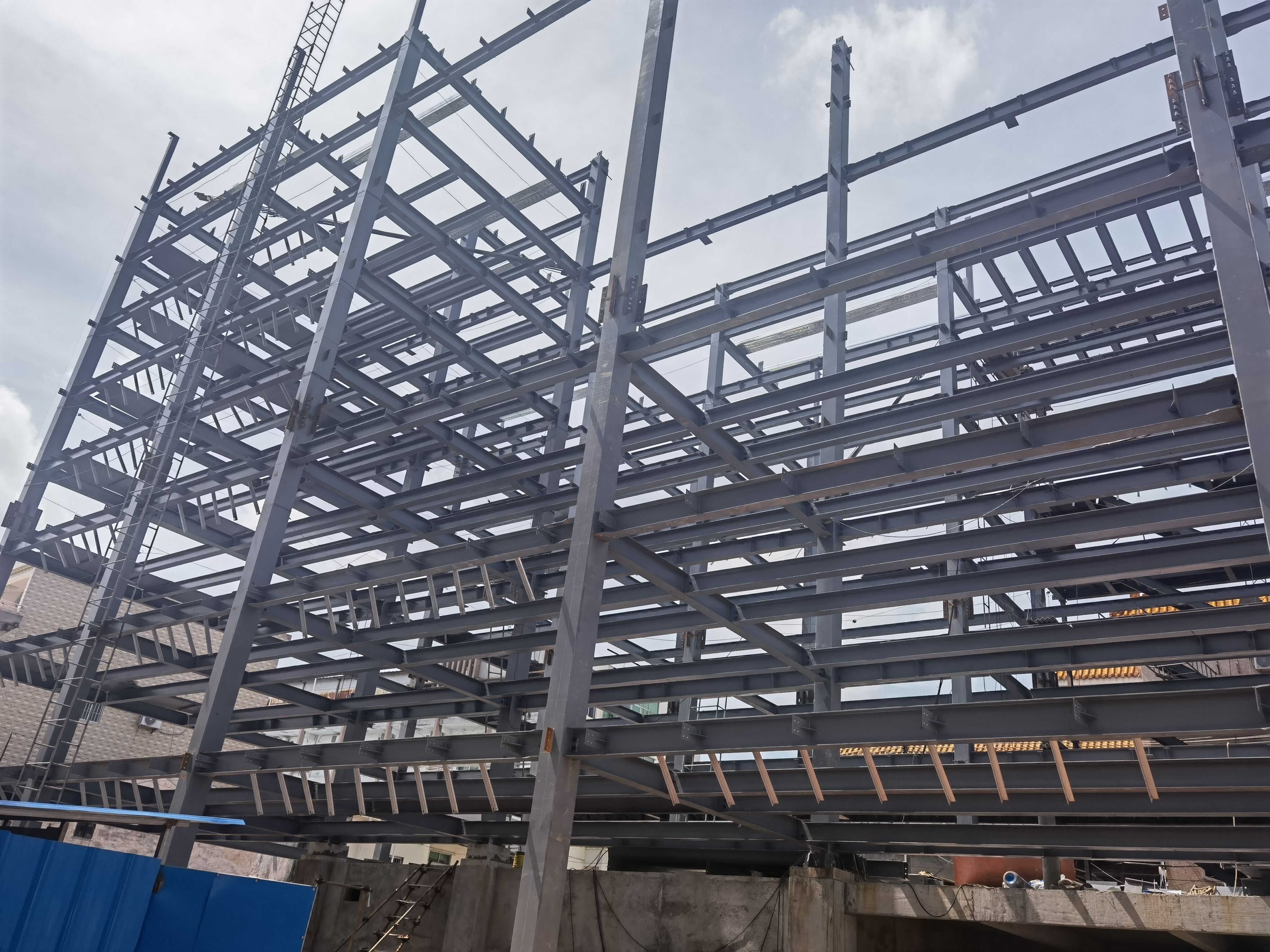
How Steel’s Inherent Properties Influence Fire Resistance in Industrial Metal Buildings
Thermal Behavior and Load-Bearing Integrity Under Fire Conditions
The fact that steel doesn't burn at all makes it a real asset when it comes to fire safety in industrial buildings made from metal. Compared to materials like wood or concrete, steel conducts heat much slower, which means the structural parts stay intact for longer periods during a fire situation. Most importantly, steel keeps holding together even when temperatures reach around 500-550 degrees Celsius before things start getting really bad. This kind of stability gives people more time to get out safely and minimizes additional damage after the initial blaze. Plus, because steel expands so little when heated, there's less strain on joints and exterior coverings. That helps keep different sections separated from each other, making it harder for flames to jump from one area to another throughout the building.
Critical Temperature Thresholds and Structural Collapse Prevention
Steel starts to lose its tensile strength when temperatures climb past around 600 degrees Celsius, but don't worry about immediate collapse because steel has a much higher melting point over 1370 degrees Celsius. Plus, the metal's stable structure means it won't just fall apart or explode into pieces like some materials might. This built in buffer period actually works in our favor since it allows those passive fire protection measures to kick in before things get really bad. Keeping structures intact until they reach these dangerous temperature limits helps buildings meet the requirements set out by ASTM E119 standards. And meeting those standards isn't just paperwork stuff either it directly translates to safer conditions for people inside during fires, as we've seen proven time and again through actual testing scenarios.
Passive Fire Protection Systems for Industrial Metal Buildings
Intumescent Coatings and Spray-Applied Fire-Resistive Materials (SFRM)
When exposed to heat, intumescent coatings can swell to as much as fifty times their initial thickness, creating this protective char layer that really helps slow down how fast steel temperatures climb while keeping structures intact. The other option is spray applied fire resistive materials, commonly known as SFRMs. These come in two main types: ones made from cement and those containing mineral fibers. They need to be sprayed on at around 15 to 30 millimeters thick to form good thermal protection over steel surfaces. What makes these solutions so valuable is that they both offer fire resistance ratings going up to four hours straight. Plus, they work well even on tricky shapes and angles where traditional methods might fail. And since they don't require any power source to function, these passive systems are especially safe to install in areas where there are electrical risks or lots of flammable stuff nearby.
Fire-Rated Insulation, Non-Combustible Cladding, and Cavity Barriers
Mineral wool insulation, which melts at temperatures over 1,000 degrees Celsius, offers excellent fire protection for walls and roof structures. Combining it with fire rated materials like aluminum composite panels that have mineral cores creates building assemblies capable of withstanding fire for anywhere from 60 to 120 minutes. These cavity barriers go into hidden areas between walls, floors, and where services pass through structures to stop smoke and flames from spreading. Placing them properly around key structural connections helps create fire compartments that keep flames contained where they start, something building codes like ASTM E119 require for safety standards. The right placement makes all the difference in how well a building holds up during a fire emergency.
Integrated Fire-Rated Assemblies in Industrial Metal Buildings
Roof, Wall, and Opening Assemblies Meeting ASTM E119 and UL 263
Integrated fire-rated assemblies combine roofs, walls, and openings into cohesive systems designed to prevent fire spread in industrial metal buildings. Certified per ASTM E119 and UL 263—the internationally recognized standards for fire endurance testing—these assemblies are evaluated on three performance criteria under controlled fire exposure:
- Structural stability (resistance to collapse)
- Integrity (flame and hot-gas containment)
- Insulation (limitation of heat transfer to unexposed surfaces)
Fire ratings can last anywhere between half an hour up to three full hours, and this really depends on how the assembly was designed and whether everything connects properly. Most walls these days come with mineral wool insulation packed inside them, plus those special expanding seals around any holes or openings. Doors and windows rated for fire safety usually have these rubber-like gaskets that expand when heated. Getting all parts installed continuously matters a lot too because if there are gaps anywhere, the whole system fails at containing flames. That's why many manufacturers send their products out for third party testing. These tests simulate actual fires to see if the materials hold up under pressure. The results matter because they determine how much time people actually get to escape safely before structures start failing.
Compliance, Certification, and Real-World Performance Validation
Metal buildings used in industrial settings need to meet certain fire safety requirements like ASTM E119 and UL 263 standards. These standards basically test how well walls, roofs, and other building components hold up against fires when checked by independent labs. The certification process looks at things such as how long structures can support weight during a fire and how effectively they contain flames under controlled burning conditions. Buildings that stick to these certified fire protection methods tend to experience around 70-75% fewer problems related to fires according to industry reports. Makes sense really because proper fireproofing cuts down on potential lawsuits and production stoppages while keeping workers safe and protecting valuable equipment for businesses that depend on continuous operations.
FAQs
Why is steel favored for fire-resistant industrial buildings?
Steel doesn't burn and conducts heat slower than materials like wood or concrete, maintaining structural integrity longer during fires, allowing more evacuation time, and minimizing damage.
What are intumescent coatings?
These coatings swell when exposed to heat, forming a protective layer that slows the increase in steel temperature, helping to maintain structural integrity during fires.
How do integrated fire-rated assemblies work?
They combine structural components like roofs, walls, and openings to prevent fire spread and are tested for stability, integrity, and insulation according to standards such as ASTM E119.