 EN
EN
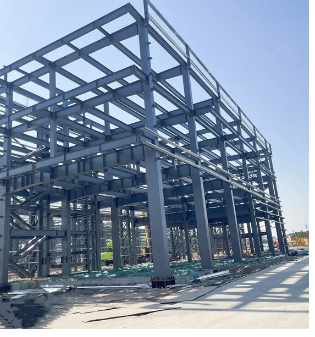
Pre-engineered steel building components are engineered for decades of service, but longevity is never automatic. Cyclic loading from wind forces, daily thermal expansion, and operational vibrations gradually induce micro-fatigue in critical welds and bolted connections. Simultaneously, protective coatings degrade, exposing bare steel to moisture and oxygen—the essential ingredients for destructive corrosion.
Joint loosening, often invisible until it causes measurable structural deflection, redistributes stress unevenly and can precipitate premature failure of secondary members. Left unchecked, these mechanisms compound silently. As the National Institute of Standards and Technology confirmed in past structural assessments, neglecting routine maintenance can reduce a pre-engineered steel building's effective lifespan by up to 30 percent.
Real-World Evidence from Coastal Regions
An observational study of industrial structures in harsh coastal environments—where high humidity and saline aerosol create aggressive corrosion conditions—demonstrates the decisive impact of maintenance frequency. Buildings maintained biannually, featuring scheduled coating touch-ups, bolt torque verification, and sealant renewal, retain significantly more usable life than those managed only reactively after visible rust, leaks, or structural distortion appear.
Corrosion rates reflect this stark divergence. Proactively maintained structures show minimal annual steel degradation, whereas reactive cohorts experience accelerated metal loss and exponentially higher joint failure incidents. This field evidence confirms that maintenance frequency, rather than mere initial build quality alone, acts as the primary determinant of service life extension, particularly where environmental aggressivity runs high.
Essential Maintenance Practices for Maximum Service Life
The foundation of long-term pre-engineered steel building performance relies on a disciplined, recurring cycle of inspection, cleaning, and minor repair. Visual inspections every six months should prioritize primary structural connections, roof penetrations, eaves, and areas prone to water retention.
-
Fastener and Sealant Audits: Check for loose fasteners, cracked sealants, and early-stage rust blooms before widespread pitting develops.
-
Proactive Debris Removal: Clear clogged gutters, downspouts, and roof valleys to eliminate concealed moisture reservoirs that accelerate corrosion beneath protective coatings.
-
Immediate Remediation: Tighten bolts to precise manufacturer torque specifications, apply touch-up paint over minor scratches, and replace compromised weather stripping immediately.
Consistent adherence to this maintenance triad extends functional service life far beyond baseline design expectations, achieving results far superior to outcomes driven by reactive interventions alone.
Coating Integrity Management and Environmental Stressors
The coating system—whether hot-dip galvanized, painted, or duplex-coated—serves as the first and most vital barrier against environmental degradation. Re-coating intervals must align strictly with local corrosion severity. In moderate industrial zones, full repainting is typically required every 10 to 15 years, while coastal settings demand cycles shortened to 5 to 7 years.
Managing Environmental Stressors
Environmental stressors never act in isolation; they multiply structural damage when maintenance gaps widen:
-
Crevice Corrosion: Moisture trapped in lap joints or behind cladding initiates invisible corrosion that compromises structural integrity over time.
-
Salt Spray Exposure: Saline aerosols accelerate zinc depletion, breaching standard galvanized coatings within months if left unmonitored.
-
Thermal Cycling: Daily temperature swings exceeding 20°C induce repeated micro-movements at bolted connections, loosening fasteners and creating water ingress paths.
Proactive drainage checks, coating integrity audits, and seasonal joint inspections interrupt this destructive cascade, turning environmental exposure from a structural threat into a manageable variable.
Conclusion: Partnering with Industry Experts for Long-Term Durability
Maximizing the operational lifespan of a pre-engineered steel building demands a combination of rigorous field maintenance and high-grade initial manufacturing. Superior structural resilience starts long before installation begins, relying on precision engineering, robust supply chain management, and top-tier fabrication capabilities.
For businesses seeking reliable, durable, and expertly fabricated structural solutions, choosing an experienced partner makes all the difference. JY Steel Structure delivers advanced manufacturing excellence and comprehensive supply chain services tailored to meet international engineering standards, ensuring every project is built to withstand the toughest environmental challenges for decades to come.
Frequently Asked Questions
Why is maintenance frequency so critical for pre-engineered steel buildings?
Frequent maintenance prevents the accumulation of damage from factors like fatigue, corrosion, and thermal stress, extending the building’s lifespan by mitigating wear before it becomes severe.
What are the consequences of neglecting structural maintenance?
Neglecting maintenance can lead to a significant reduction of up to 30 percent in structural lifespan, as stress accumulation and environmental degradation compound over time.
What are some key maintenance practices to follow?
A predictive cycle including inspection, cleaning, and minor repairs every six months, alongside timely coating management and environmental stress mitigation, ensures longer service life.
How do environmental conditions like coastal exposure affect steel structures?
Coastal environments with high humidity and saline aerosols accelerate corrosion and zinc depletion, requiring more frequent maintenance and monitoring to prevent premature failure.
What is the recommended re-coating interval for steel buildings in corrosive environments?
In aggressive coastal settings, coatings typically need repainting every 5 to 7 years, whereas moderate industrial zones may require reapplication every 10 to 15 years.
Table of Contents
- Real-World Evidence from Coastal Regions
- Essential Maintenance Practices for Maximum Service Life
- Coating Integrity Management and Environmental Stressors
- Conclusion: Partnering with Industry Experts for Long-Term Durability
-
Frequently Asked Questions
- Why is maintenance frequency so critical for pre-engineered steel buildings?
- What are the consequences of neglecting structural maintenance?
- What are some key maintenance practices to follow?
- How do environmental conditions like coastal exposure affect steel structures?
- What is the recommended re-coating interval for steel buildings in corrosive environments?