
 EN
EN
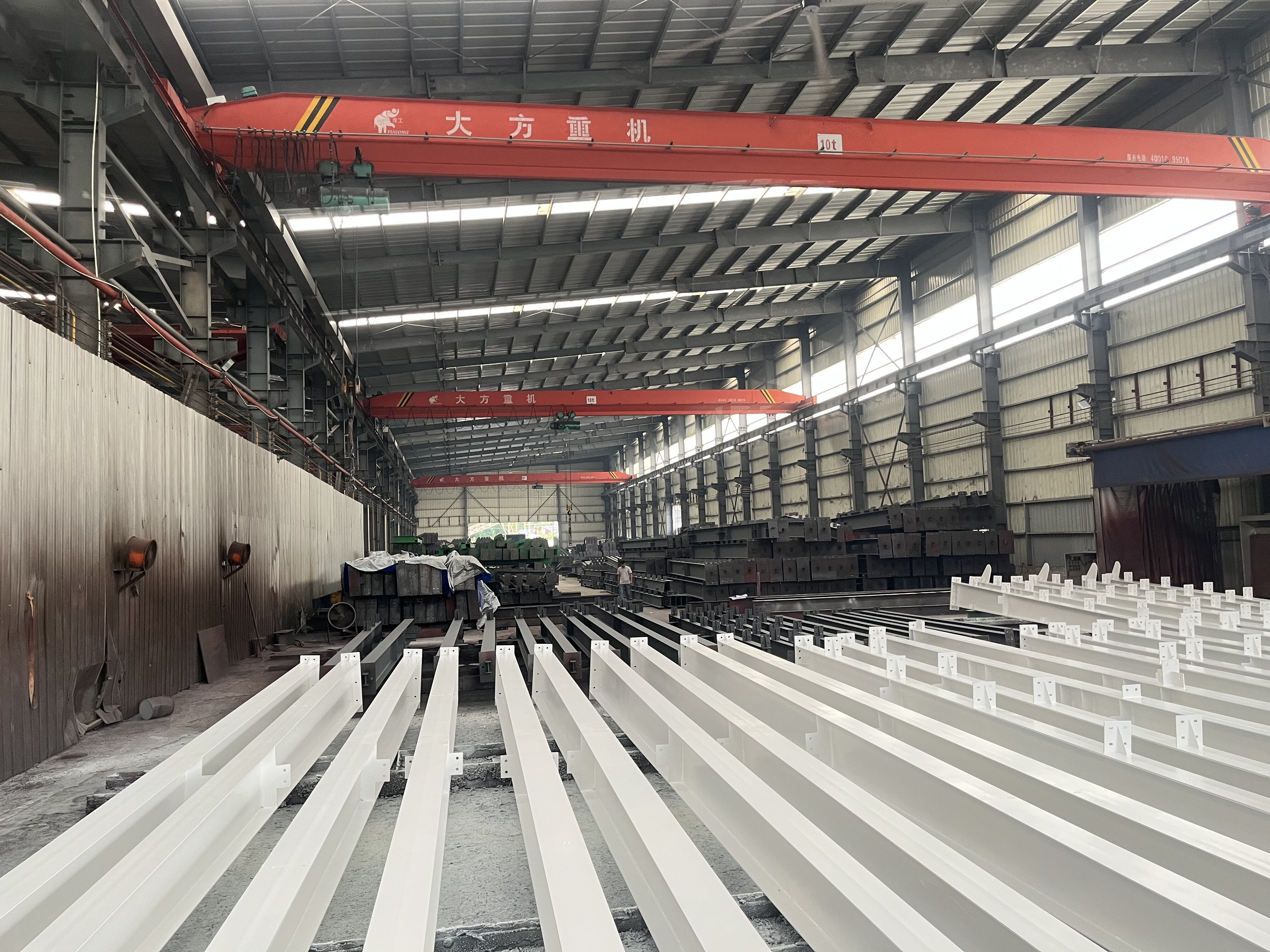
The Importance of Precision Cutting in Custom Structural Steel Fabrication
Defining Precision Cutting and Dimensional Accuracy in Metal Fabrication
In custom structural steel fabrication, precision cutting means making parts with tolerances under 1 mm. This tight control ensures pieces fit together without issues during assembly work. Without this level of accuracy, gaps or misalignment problems can occur which weaken the whole structure's performance. Modern fabrication shops have adopted advanced techniques for maintaining these strict standards. Many now rely on laser guided measurement tools combined with instant feedback systems. These technologies help keep dimensions consistent throughout production runs. Even when working with tough materials like high strength alloys that are as thick as 100 mm, manufacturers still manage to hit those tight specs consistently.
How Tight Tolerances Impact Structural Integrity and Safety
Even minor deviations of around 2 mm at key connection points can boost stress concentrations by nearly 40 percent, which speeds up fatigue failures in structural components according to research published in the Structural Engineering Journal last year. When buildings sit in earthquake-prone areas, the welded joints need to handle shock loads without breaking apart, so getting measurements right within half a millimeter becomes absolutely crucial for safety. Shops that follow ISO 9013:2017 guidelines tend to face roughly three quarters less problems during assembly work onsite when compared with traditional cutting techniques. These shops often mention how much time they save not dealing with misaligned parts after delivery.
Aligning Cutting Accuracy with Engineering Design Specifications
Modern BIM workflows demand cutting data aligned with digital blueprints within 0.1-degree angular precision. According to a 2024 AISC study, projects using CNC-cut components required 62% fewer field modifications than those relying on plasma-cut parts. This accuracy minimizes clashes between structural steel, MEP systems, and architectural features in complex builds.
Case Study: Costly Rework From Dimensional Errors in a Bridge Construction Project
In 2025, construction on a highway overpass ran into serious problems when workers discovered 12 splice plates had been cut 3 mm too large because someone messed up the CAD file scaling. This simple mistake stopped the girders from aligning properly, which meant going back and redoing everything at a cost of around $200,000. The whole thing set the project back nearly three weeks, and they ended up having to scrap and replace about 8 tons worth of ASTM A572 Grade 50 steel. Looking back at what happened, engineers pointed out that if the team had implemented some kind of automated check system for their digital files, they probably would have caught this problem before it caused so much trouble and expense.
Advanced Cutting Technologies for Dimensional Control in Steel Fabrication
Comparing Laser, Plasma, and Waterjet Cutting for Precision in Custom Structural Steel Fabrication
The modern world of fabrication relies heavily on three main methods when it comes to making those super accurate cuts. Let's start with lasers - these can hit around ±0.1 mm tolerance on stuff up to 25 mm thick. That makes them perfect for all sorts of detailed parts, especially those little connection plates that need to fit just right. Then there's plasma cutting which is great when dealing with thicker materials ranging from 3mm right up to 150mm. The downside? It leaves behind a bigger cut width, somewhere between ±1.0 and 1.5 mm. Waterjets work differently altogether since they use an abrasive mix instead of heat. This means no warping from the heat and still manages to stay within about ±0.2 mm accuracy even on massive steel pieces going all the way up to 200 mm thick. According to some recent findings from NIST back in 2023, switching to laser systems actually cut down material waste by nearly 20% when building those big bridge girders compared to what plasma does.
Accuracy Analysis: Tolerance Ranges Across Cutting Methods (±0.1mm to ±1.5mm)
Cutting method selection directly impacts compliance with engineering specifications:
| Technology | Tolerance Range | Material Thickness Limit | Best For |
|---|---|---|---|
| Laser | ±0.1mm | 25mm | Architectural façades |
| Plasma | ±1.0–1.5mm | 150mm | Beam end preparations |
| Waterjet | ±0.2–0.5mm | 200mm | Complex node connections |
Material Thickness and Grade: Their Influence on Cutting Method Selection
For high strength steels such as ASTM A572 at 50 ksi grades, sections thicker than 40 mm need either plasma or waterjet cutting methods to prevent issues with edge hardening during processing. According to Sarojini Group's recent 2024 industry findings, there was actually a pretty impressive 32 percent boost in successful cuts using waterjets on 80 mm thick AR400 abrasion resistant steel compared to traditional plasma techniques. When working with thin gauge stainless steel between 2 and 6 mm thickness, fiber laser technology tends to give the best outcomes. These systems maintain around plus or minus 0.08 mm positioning accuracy even after running through thousands of cycles, making them reliable choice for precision work requirements.
Thermal Distortion in Laser and Plasma Cutting: Causes and Mitigation Strategies
The heat affected areas around plasma and laser cuts tend to cause warping in metal parts, usually between about 0.3 to 1.2 millimeters for every meter of material. Some shops have started using active thermal controls that cut down on this distortion problem by roughly two thirds. These systems work by constantly watching temperatures with infrared sensors while adjusting the gas flow as needed. Before making any actual cuts, many manufacturers run computer simulations called FEA to figure out how the metal will expand when heated. Based on these predictions, the CNC machines then make tiny adjustments to their cutting paths, typically somewhere between 0.05 and 0.15 mm. This helps maintain dimensional accuracy especially important when working with thick steel plates where even small changes matter a lot.
CNC Automation and Digital Integration in Modern Steel Cutting Processes
Modern structural steel fabrication achieves ±0.2 mm dimensional accuracy through CNC automation integrated with digital workflows, enabling both precision and scalability. This integration supports custom project requirements while maintaining efficiency across large production runs.
Integrating CNC Programming with CAD/CAM for Precise, Repeatable Steel Plate Cutting
CNC machines convert CAD models directly into cutting instructions, eliminating manual translation errors historically responsible for 12–15% dimensional deviations (Global CNC Metal Cutting Market Report 2025). Advanced CAM software optimizes tool paths for complex geometries, ensuring batch-to-batch repeatability. Manufacturers using integrated systems report 22% faster project completion times compared to manual programming.
Real-Time Monitoring Systems for Error Detection and Quality Control
Laser measurement sensors and thermal compensation algorithms detect submillimeter irregularities during cutting. One fabricator reduced rework costs by 37% after implementing IoT-enabled monitoring systems that automatically adjust plasma torch height and speed. These systems validate dimensions against CAD specifications every 0.8 seconds, ensuring compliance with ASME AESS standards.
Industry 4.0 Trends Transforming Structural Steel Fabrication Facilities
Smart factories use machine learning to predict cutting tool wear with 94% accuracy, reducing unplanned downtime by 41%. Digital twins of structural components now guide cutting operations, minimizing trial runs for custom architectural steel elements.
Matching Cutting Techniques to Industrial Applications and Project Requirements
High-rise construction: Demands for precision in custom structural steel components
Steel parts for skyscrapers need really tight tolerances around +/- 1.5 mm if they want everything to fit together properly and maintain structural strength. Looking at data from 12 different tall building projects in 2023 showed something interesting too: when connections between beams were off by more than 2 mm, installation got delayed about 18% longer because workers had trouble getting things aligned right. Most fabrication shops go with laser cutting for those end plates on I-beams while thicker column bases usually get done with plasma cutting methods. The whole point is finding that sweet spot where we get good accuracy without slowing down production too much.
Waterjet cutting for complex geometries in industrial plant fabrication
Waterjet systems are really good at handling complex cuts for things like brackets and flange patterns in stainless steel and those tough corrosion resistant alloys. They can get pretty accurate too, around half a millimeter give or take, and best of all they don't mess up the material with heat distortion. For folks working in chemical plants, this kind of precision matters a lot because if parts aren't cut right, seals just won't hold properly. We've seen some actual numbers from the field recently. Plants using waterjets instead of plasma cutting reported needing about 40% less cleanup work after machining parts for refineries. Makes sense when you think about it the parts just fit better from the start.
Strategic selection of cutting methods based on project scale, complexity, and material
Fabricators consider three key factors when selecting cutting technologies:
- Material thickness: Plasma outperforms lasers on steel above 25 mm; waterjets handle composites effectively
- Batch size: CNC laser systems deliver 99.5% consistency in high-volume plate cutting
- Thermal constraints: Advanced laser cutters with real-time monitoring adjust feed rates to minimize heat-affected zones in critical joints
A 2024 survey of 85 fabricators revealed that projects combining multiple cutting methods achieved 23% faster completion times than single-method approaches, underscoring the value of an integrated strategy.
FAQ
What is precision cutting in structural steel fabrication?
Precision cutting in structural steel fabrication refers to making components with tolerances under 1 mm to ensure parts fit together seamlessly and avoid gaps or misalignment that can weaken structural performance.
How does dimensional accuracy impact structural integrity?
Dimensional accuracy impacts structural integrity by minimizing stress concentrations and potential fatigue failures. Accurate measurements are particularly crucial in earthquake-prone areas where welded joints must handle shock loads effectively.
Which cutting methods are best for different material thicknesses?
Laser cutting is ideal for materials up to 25 mm thick, plasma is better for materials up to 150 mm, and waterjets can handle thicknesses up to 200 mm effectively, especially for complex geometries.
How do modern technologies improve precision cutting?
Modern technologies like CNC automation, laser measurement sensors, and real-time monitoring systems enhance precision cutting by optimizing tool paths, detecting errors, and adjusting settings for optimal dimensional accuracy.
Table of Contents
- The Importance of Precision Cutting in Custom Structural Steel Fabrication
-
Advanced Cutting Technologies for Dimensional Control in Steel Fabrication
- Comparing Laser, Plasma, and Waterjet Cutting for Precision in Custom Structural Steel Fabrication
- Accuracy Analysis: Tolerance Ranges Across Cutting Methods (±0.1mm to ±1.5mm)
- Material Thickness and Grade: Their Influence on Cutting Method Selection
- Thermal Distortion in Laser and Plasma Cutting: Causes and Mitigation Strategies
- CNC Automation and Digital Integration in Modern Steel Cutting Processes
- Matching Cutting Techniques to Industrial Applications and Project Requirements
- High-rise construction: Demands for precision in custom structural steel components
- Waterjet cutting for complex geometries in industrial plant fabrication
- Strategic selection of cutting methods based on project scale, complexity, and material
- FAQ