
 EN
EN
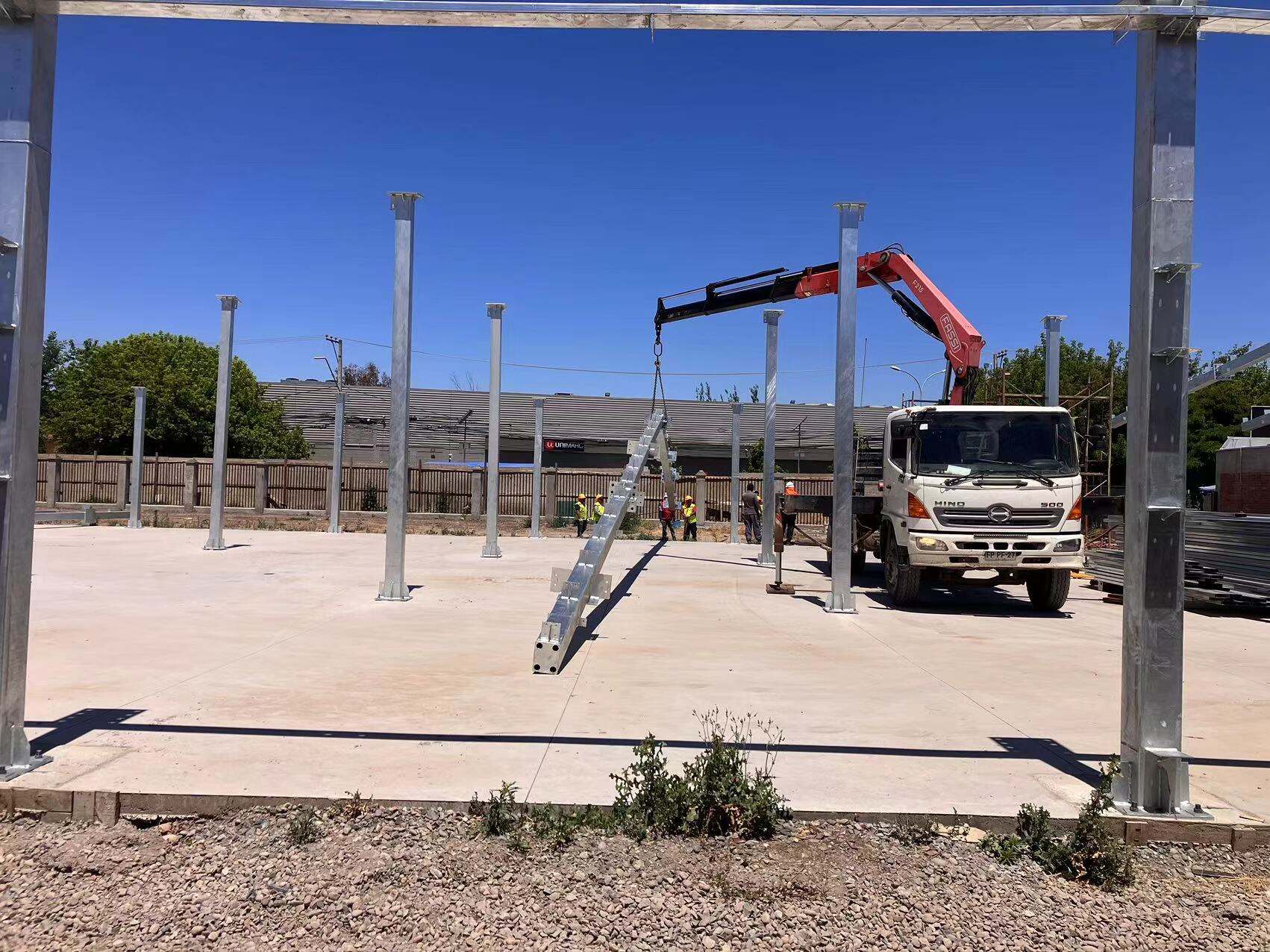
Why Lightweight Steel Components Are Essential for Modern Steel Building Kits
Steel parts that are lighter are changing how buildings get put together because they make everything much easier to handle and assemble. These components are so light that workers can lift and position important structural pieces like wall studs and floor joists all by themselves, which speeds up construction time significantly compared to older materials. The secret behind this efficiency lies in steel's amazing strength relative to its weight. Steel components typically weigh around 80% less than their concrete counterparts but still hold up just as well under pressure. Manufacturers have gotten really good at designing these parts with special ribs and carefully placed holes that remove unnecessary bulk without weakening the structure. The shapes are also designed to take up less space during transportation, cutting down on shipping costs and making it possible to deliver materials even to hard-to-reach locations. Safety is another big plus. Real world data shows that accident rates drop by about 27% when crews work with these specially engineered steel kits. What does all this mean for actual projects? Jobs get completed quicker with less manpower required, saving an average of around $740,000 per commercial building according to research from the Ponemon Institute back in 2023. Developers benefit too since buildings become occupied sooner and start generating returns much faster.
Key Lightweight Components in Steel Building Kits
Cold-formed steel studs, tracks, and joists: engineered for strength and one-person handling
Cold formed steel (CFS) parts actually perform pretty well structurally when we look at how they're shaped. The C and Z shapes plus those clever little holes throughout give them an amazing strength compared to their weight. That means one person can install most components without needing big machinery around. Traditional building materials just don't hold up the same way. They tend to warp over time and settle down, but CFS stays put. Plus, these steel components weigh about 60% less than the old hot rolled stuff from decades back. When builders talk about saving money on labor and getting projects done faster, this is exactly what they're referring to. And bonus? The lighter weight also fits right into OSHA guidelines for workers doing repeated lifting during installations, which makes everyone's job safer in the long run.
Prefab panels and modular connectors: precision-fit assemblies for rapid installation
Wall and roof panels made in factories come already equipped with all the necessary insulation layers, vapor barriers, and ready-to-connect points. This cuts down the time workers spend putting things together on site by around 40%. The special interlocking connectors make sure everything lines up just right, so construction teams can get buildings standing much quicker than traditional methods allow. When it comes to materials, there's simply less waste too. Prefab panels cut down on construction scraps by about 30% when compared to building everything from scratch according to a study from the National Institute of Building Sciences back in 2022. These pre-assembled systems keep buildings strong and stable throughout their lifespan, but they also mean projects finish faster and with better quality checks built into every step of the process.
How Design and Manufacturing Optimize Lightweight Performance in Steel Building Kits
Modern steel building kits achieve exceptional strength-to-weight ratios through deliberate engineering. By optimizing material distribution and structural geometry, manufacturers create components that minimize mass while exceeding load requirements—validated against AISI S100 and ASTM A653 standards for cold-formed steel design and material performance.
Structural efficiency through geometry: ribs, perforations, and optimized cross-sections
When engineers apply computational design methods, they can cut away unnecessary materials from areas where stress isn't really a problem, which leads to those interesting organic shapes that save weight. Reinforcements such as ribbed channels or perforated webs help make things stiffer while keeping them light. Take cold formed C sections and Z purlins for example these actually work better because of their folded geometry. Tests show they handle about 20 percent more load compared to similar flat pieces when looking at weight alone. What all this means is that regular steel gets turned into parts that won't buckle or deform easily when forces hit them. And guess what? These components typically meet if not beat the ASCE 7 requirements for both wind loads and earthquakes.
Design for manufacturability and assembly (DFM/DFA) enabling safe, efficient on-site handling
The core idea behind DFM/DFA is making installation easier right from when designers start sketching out plans. Parts get made so they fit together intuitively with standard connectors, which cuts down on injuries during lifting and saves time searching for tools. Take those modular pieces we see nowadays, such as joists that come already punched with holes and have all the wiring channels built in. These ship in lighter packages that workers can place quickly onsite. According to Construction Innovation research from last year, this approach can cut down labor needs by around 30% versus old school framing methods. What makes DFM/DFA really valuable? It keeps structures solid and gets projects finished faster, all without needing workers to go through special training sessions or invest in expensive gear nobody else owns.
FAQ Section
Why are lightweight steel components preferred over concrete in construction?
Lightweight steel components offer significant advantages over concrete. They are easier to handle, reducing the need for heavy machinery. They weigh significantly less while maintaining strength, making them ideal for diverse building needs, especially in hard-to-reach areas.
How do lightweight steel components impact construction safety?
Real-world data indicates a 27% drop in accident rates when using specially engineered steel kits. This is because lighter components reduce the physical strain on workers and align with OSHA guidelines, promoting a safer work environment.
What are the benefits of cold-formed steel in construction?
Cold-formed steel provides strength with a lighter weight. The design allows one-person handling for most components without heavy machinery, accelerating construction while reducing labor costs.
How do prefab panels and modular connectors enhance building efficiency?
Prefab panels and modular connectors cut assembly time by around 40% due to precision-fit design. They reduce material waste by 30%, ensuring stable and durable buildings with faster project completion and quality control.