
 EN
EN
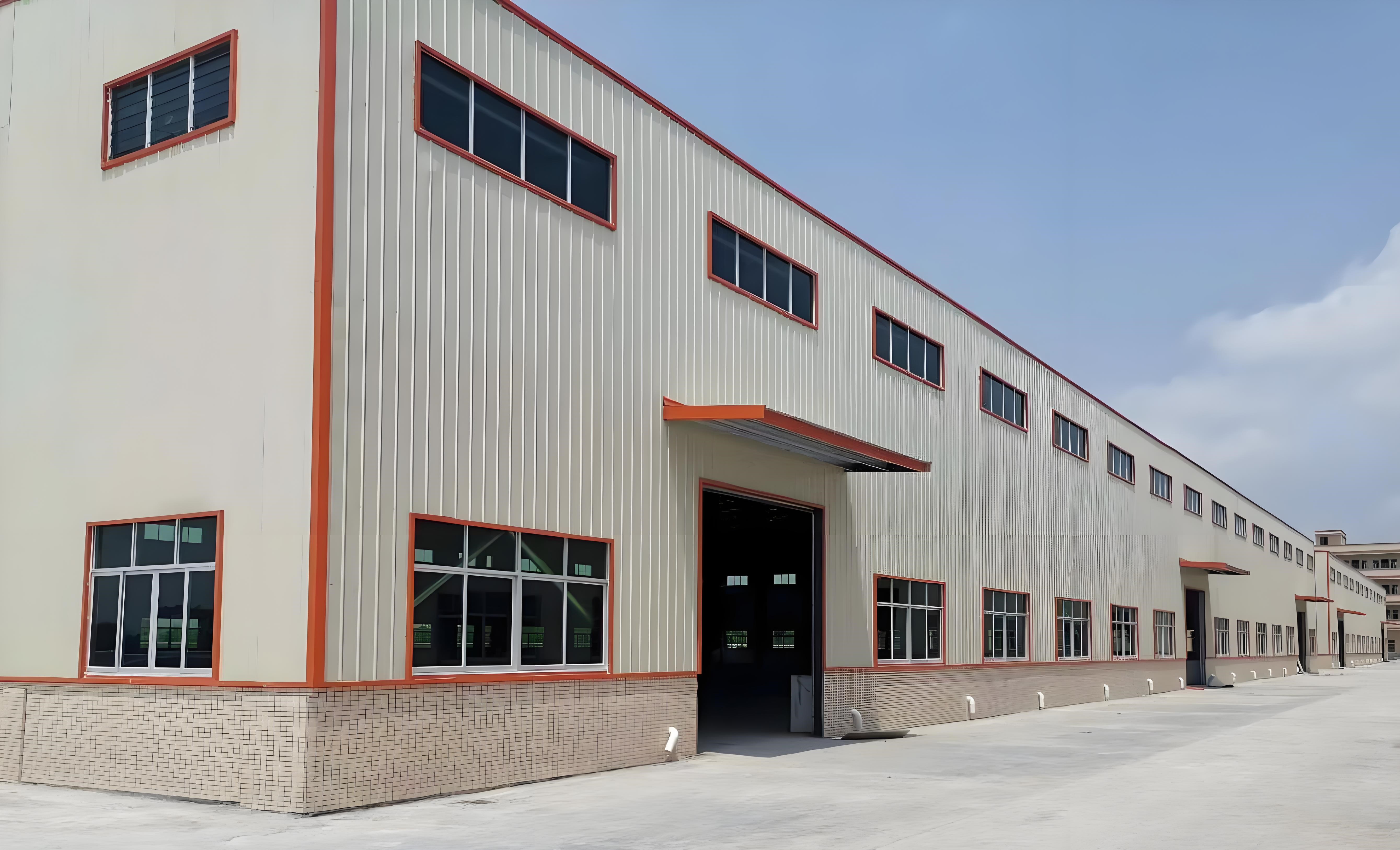
Why Weatherproofing Is Essential for Prefab Warehouse Integrity and Inventory Protection
Prefabricated warehouse buildings are constantly battling against Mother Nature's elements that can damage both their structure and whatever gets stored inside if proper weather protection isn't in place. Water getting through cracks speeds up rust formation on metal parts throughout walls and roofs. Moisture problems lead to mold growing everywhere too, which poses serious risks when storing things like medicines or electronic equipment that need specific temperature conditions. Gaps between building components create what experts call thermal bridges, and these little weaknesses let heat escape at an alarming rate. Some research suggests we're talking about losing around a third of potential energy savings because of this issue.
Weather extremes just make things worse in many ways. When hurricanes blow through, they knock around buildings that aren't properly secured. And when too much snow piles up on roofs beyond what was planned for, it can lead to total collapse situations. Water problems from flooding are still one of the biggest headaches out there. The numbers back this up too water related damage makes up almost half (that's 48%) of all insurance claims made by warehouses. Operations get stopped dead in their tracks whenever bad weather hits. For big logistics centers, every hour of downtime costs an average of $740,000 according to research from the Ponemon Institute published last year.
Good weatherproofing works like a protective shield against nature's elements. When buildings have properly sealed envelopes, they keep out unwanted air and moisture while keeping indoor humidity levels under control, ideally staying below 60% where corrosion starts becoming a problem. This kind of protection really extends how long a prefabricated warehouse lasts and protects the value of stored items, especially those that need specific temperature conditions. Companies that invest in proper weatherproofing upfront tend to spend way less on fixes later on. Some studies suggest maintenance expenses drop around two thirds when problems are prevented rather than fixed after storms hit.
| Risk Factor | Impact on Warehouse | Impact on Inventory |
|---|---|---|
| Water Intrusion | Steel corrosion, insulation degradation | Mold, electrical damage, packaging failure |
| Thermal Fluctuations | Energy loss, condensation buildup | Product spoilage, material warping |
| Wind Loads | Structural deformation, cladding failure | Collision damage, airborne contamination |
Key Weatherproofing Systems in Modern Prefab Warehouse Construction
Integrated weatherproofing systems form the backbone of durable prefab warehouse design, combining physical barriers and engineered solutions to shield stored goods from environmental damage. These systems prevent costly inventory losses and structural degradation by addressing multiple infiltration pathways simultaneously.
Sealed Wall and Roof Assemblies: Preventing Air, Water, and Thermal Infiltration
Continuous barrier systems work by layering steel panels on top of each other with hidden fasteners so water can't sneak in anywhere. The factory puts special sealants right where panels meet and around any openings, creating basically one solid surface. And the roofs are built with a slope of at least 1:12, which means rainwater just slides off quickly instead of pooling. For buildings dealing with temperature changes, thermal breaks in the framing stop heat from moving through the walls, cutting down interior condensation problems by about 40% over regular setups. Paying close attention to how flashing is installed around doors, air vents, and where equipment gets mounted makes all the difference in preventing those annoying leaks everyone hates but nobody really talks about until it's too late.
Condensation-Resistant Insulation and Vapor Control in Steel Prefab Warehouses
Closed cell spray foam sticks right to those steel walls inside buildings, which helps get rid of those pesky air gaps where condensation forms. Combine this with good vapor barriers that have ratings below 0.1 perms, and we're looking at stable humidity levels inside, even when temperatures jump around like they do in warehouses. Some smart design choices matter too. Leaving space in the roof cavity for ventilation and placing things so the dew point stays where it should be makes all the difference. These steps stop moisture from building up over time, which means no mold growing on surfaces and no rust eating away at metal structures that hold up the whole building.
Climate-Specific Weatherproofing Strategies for Prefab Warehouses
Flood-Resilient Foundations and Elevated Floor Systems
For areas prone to flooding, prefabricated warehouses need their floors raised above what's called the base flood elevation. Usually this means lifting them anywhere from 12 to 36 inches based on those tricky FEMA risk assessments for each location. The foundation work typically combines reinforced concrete with special waterproof membranes to stand up against water pressure pushing from below. Around the edges, we install drainage channels along with sump pumps to move water away quickly when needed. Another smart design element is sloping the floors so water doesn't pool around, plus sealing all those holes where pipes and cables pass through the building envelope. And let's not forget about the costs involved either. According to FEMA data from last year, even just a small flood event can wipe out over fifty thousand dollars worth of stored goods and machinery. That's why proper flood protection isn't optional for these facilities.
Hurricane-Grade Anchoring and Wind-Load-Optimized Cladding
In areas prone to hurricanes, steel anchors that go about four to six feet deep into solid rock help carry the weight when winds hit over 150 miles per hour. The outside walls feature special steel panels that lock together and have shapes designed to cut down on upward force from strong gusts. Important connection points get sealed with rubber-like materials that stop water getting pushed in by the wind, and there are also tough coatings applied to keep flying debris from damaging the building envelope. Structures built according to ASCE 7-22 guidelines can actually survive Category 4 storm conditions without major damage to their framework, which means fewer repairs needed after these extreme weather events pass through.
Winter-Ready Design: Snow Load Capacity and Ice Dam Prevention
Prefab warehouses built for cold climates have roofs specifically designed to handle local snow loads, sometimes as high as 40 pounds per square foot in those mountain areas where heavy snowfall is common. The structural frames typically incorporate thicker gauge steel and tighter spacing between purlins. Most designs include steep slopes around 6:12 pitch which helps shed snow faster before it becomes a problem. Keeping things warm up there matters too - continuous insulation combined with proper ventilation at the eaves ensures the whole roof stays at an even temperature, so we don't get those nasty ice dams forming along the edges. For extra protection, many facilities install heated gutters and various snow retention systems. These additional measures provide critical backup when dealing with ice buildup or potential avalanche risks, especially during those long winter months when snow just keeps coming down.
FAQ
What are the consequences of not weatherproofing a prefab warehouse?
If a prefab warehouse is not properly weatherproofed, it can lead to structural damage, increased maintenance costs, and compromised inventory. Issues might include steel corrosion, mold growth, energy loss, and potential structural collapse during extreme conditions.
How does weatherproofing impact energy efficiency in warehouses?
Weatherproofing helps in minimizing energy loss through thermal bridges and air infiltration. By sealing gaps and using thermal breaks, a warehouse can reduce heat escape, leading to significant energy savings.
Why is flood protection crucial for prefab warehouses?
Flood protection is essential as flooding can cause extensive damage to stored goods and machinery. Proper flood protection measures, such as elevating floors and having effective drainage systems, can prevent financial loss and operational downtime.
What measures can be taken to protect against hurricanes in prefab warehouses?
Hurricane protection can involve using deep steel anchors, wind-load-optimized cladding, and sealing important connection points. These measures help the structure withstand high winds and flying debris, reducing potential damage.