
 EN
EN
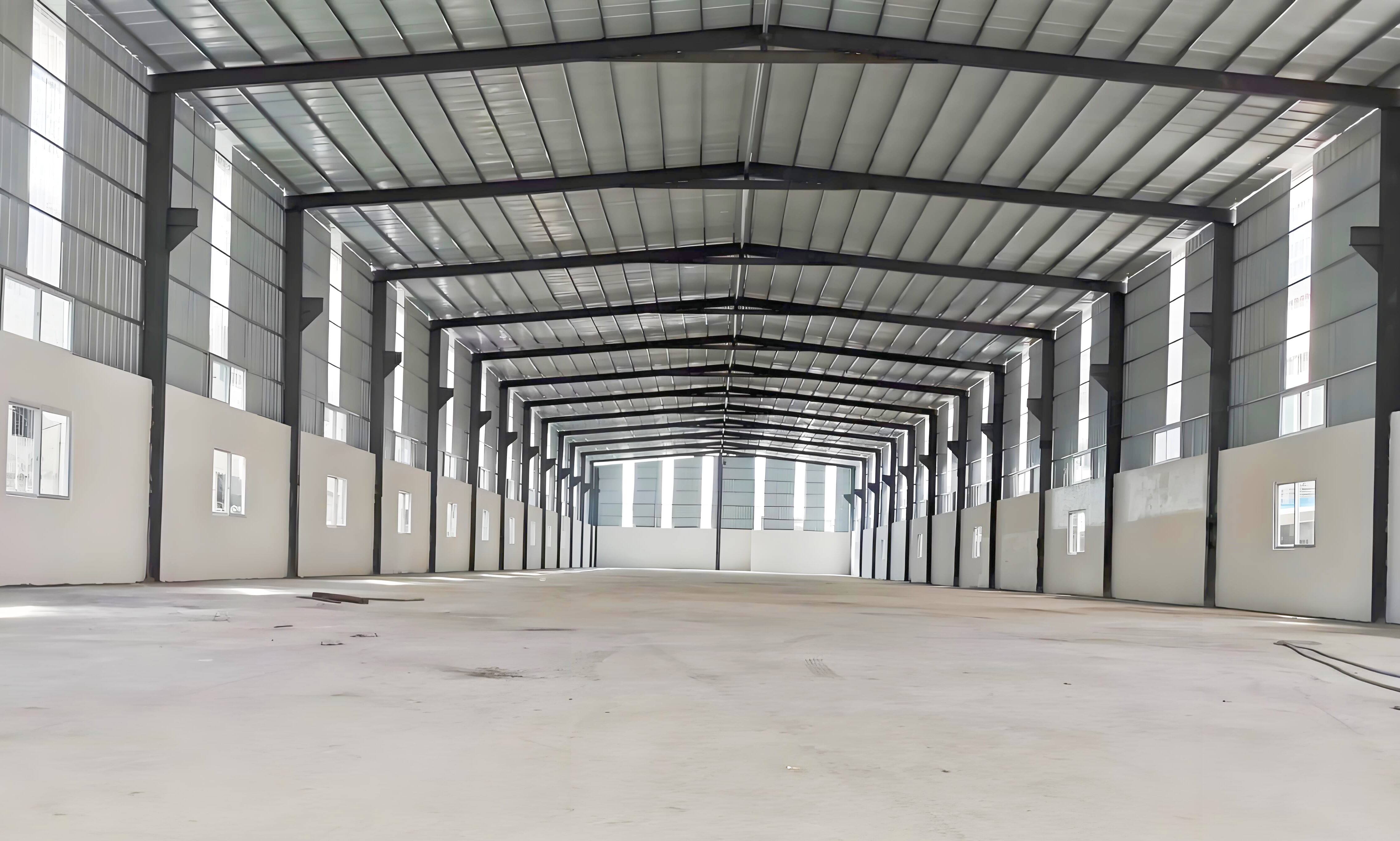
Why Speed Is the Defining Advantage of Prefab Warehouse Solutions
Accelerated Timelines: Off-Site Fabrication Cuts Construction Duration by 40–60%
When companies manufacture essential parts like structural frames and wall panels in factory settings instead of on site, they avoid weather-related delays and get much better consistency in quality. The numbers back this up too many industry reports point out that projects using this method typically finish 40 to maybe even 60 percent faster than traditional construction methods. This matters a lot for businesses in logistics, online retail, and distribution because time really affects how well they serve customers and make money. Warehouses that would normally take months to get ready can now be operational within weeks, allowing companies to react quickly when there are unexpected problems or sudden increases in demand during peak seasons. Plus, the accuracy achieved in factories means far less need for fixing mistakes on site, which saves money in the long run and helps bring in revenue sooner rather than later.
Real-World Validation: E-Commerce Fulfillment Hub Deployed in 12 Days Before Holiday Peak
One big online retailer managed to get a working 50,000 square foot warehouse up and running in only 12 days before Black Friday 2023. They used prefabricated solutions with ready-made conveyor belts and fast installation docks for the loading areas. This wasn't just theory put into practice it actually fixed a serious problem with inventory when demand was at its highest point. Getting everything operational three weeks sooner than normal construction could manage saved them around $2.8 million worth of potential lost business. The whole thing shows how being quick can give companies a real edge in competitive markets these days.
How Prefab Warehouses Deliver Cost-Efficiency Without Compromising Urgency
Strategic Trade-Off: Industrial Developers Prioritize Speed Over Minor Cost Increases
Speed to market has become more important than tiny cost savings for most industrial developers these days. Take e-commerce and logistics companies where time really matters. Getting operations running just a few weeks sooner can mean grabbing extra revenue, dodging late fees, and standing out against competitors. Think about warehouses opening right before holiday rush season. Those facilities process all those orders that would have been put on hold or simply lost to other providers. The money starts coming in much quicker this way compared to saving pennies by going slow and cheap. That's why so many property developers are willing to pay a little extra for prefabricated buildings. They know waiting costs way more in missed business opportunities than what they might save upfront.
Integrated Design-Build Workflow: Streamlining Permits, Logistics, and On-Site Assembly
When it comes to prefab warehouses, they work differently than traditional builds because everything happens at once rather than waiting for one step after another. Site preparation gets underway while the actual warehouse parts are being made somewhere else completely. This allows things to move forward simultaneously instead of stopping and starting. Managing everything from a central location helps handle permits, shipping stuff around, and figuring out when workers need to be where. No more confusion between different teams working separately. Making components in controlled factory settings means measurements stay accurate and there are fewer mistakes once things arrive on site. Standardized building blocks speed up construction time without compromising how strong the final structure will be. What this all adds up to? Projects finish on schedule most of the time, bad weather doesn't hold things back as much, companies spend less money on extra hours for workers, and operations can start running sooner rather than later—all while staying within what was originally planned for costs.
Adaptability and Future-Proofing: Reusability and Scalability of Prefab Warehouse Systems
Modular Flexibility: High Customization Within Standardized Prefab Warehouse Frameworks
Prefab warehouses manage to blend standardized components with impressive flexibility. Companies can adjust their interior spaces all sorts of ways these days - think adjustable shelving systems, mezzanine levels, different zones for heating and cooling, even how materials move through the space. All this customization works without needing major structural changes when business needs change. The whole setup makes it much easier to handle those busy seasons, expand product lines, or bring in new automated equipment as needed. Expansion itself is another plus point since it happens one module at a time. Adding extra floor space or increasing building height takes less time and gives better results compared to traditional construction methods that require completely rebuilding sections.
Lifecycle Value Analysis: Balancing Rapid Deployment Against Long-Term Reconfiguration and Relocation Potential
Forward-looking firms evaluate prefab warehouses through a lifecycle lens—not just initial cost or speed, but long-term flexibility and total cost of ownership. Key advantages include:
- Reusability: Entire structures or individual modules can be disassembled, relocated, and reinstalled—eliminating demolition and rebuild costs when operations shift sites
- Scalability: Vertical storage integration and phased modular additions support growth of 50–200%, without requiring new foundations or extended downtime
- Functional repurposing: Spaces readily convert to offices, retail showrooms, cold-storage zones, or specialized manufacturing cells as business models evolve
This future-proofing significantly lowers long-term capital intensity. According to a 2023 industrial real estate analysis by CBRE, companies using relocatable prefab systems reduced expansion-related capital expenditures by 30–45% compared to conventional construction approaches.
FAQ
What are the main advantages of prefab warehouse solutions?Prefab warehouse solutions offer accelerated timelines, cost-efficiency without compromising urgency, and adaptability, making them ideal for businesses needing quick setup and flexibility in operations.
How much faster can prefab warehouses be constructed compared to traditional methods?Projects using prefab warehouse solutions typically finish 40 to 60 percent faster than traditional construction methods.
Can prefab warehouses be customized as per business needs?Yes, prefab warehouses allow high customization within standardized frameworks, enabling adjustments like interior space modifications and modular expansions without major structural changes.
Are prefab warehouses cost-efficient?Yes, although they may involve minor cost increases, the speed to market, operational cost savings, and reduced errors make them more cost-efficient in the long run compared to traditional construction.