 EN
EN
Why Industrial Metal Buildings Excel at Scalable Growth
Modular Framing and Clear-Span Interiors: Enabling Flexible, Future-Ready Layouts
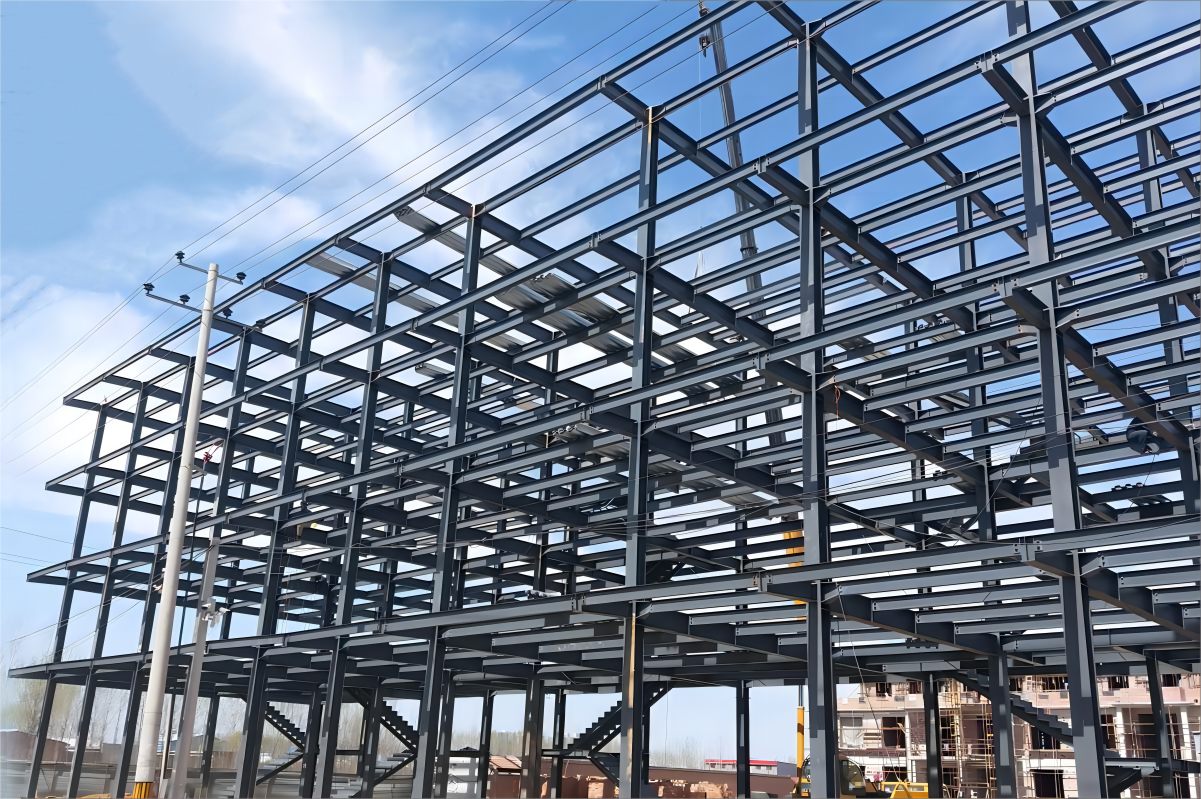
Industrial metal buildings use modular steel framing to achieve obstruction-free interiors spanning over 200 feet—eliminating interior columns entirely. This clear-span design empowers businesses to:
- Reconfigure equipment layouts in days instead of weeks
- Accommodate oversized machinery without structural retrofitting
- Adapt floorplans seamlessly as workflows evolve
Facilities with clear-span interiors reduce reconfiguration costs by up to 35% compared to column-supported structures, according to a 2022 study published in the Journal of Construction Engineering and Management. The inherent flexibility supports rapid operational pivots when market demands shift—critical for manufacturers, distributors, and logistics providers scaling in volatile environments.
Phased Expansion Without Demolition: How PEMBs Reduce Downtime and Rework
PEMBs, or Pre-Engineered Metal Buildings, come ready for expansion right from day one. They have these standardized connections, reinforced walls at the ends, plus those expansion joints built right in. What does this mean for businesses? Well, they can actually add new production areas within 30 to 45 days without stopping what they're already doing. Plus, everything looks consistent since the roofs and cladding match up nicely. And let's not forget the money saved on tearing things down, which typically runs anywhere between $15 and $25 per square foot. According to numbers put out by MBMA, companies expanding their facilities in phases with PEMBs end up with about 40% less downtime compared to old school construction approaches. When businesses grow exactly when they need to, cash stays in the company instead of getting eaten up by unnecessary expansions or costly rebuild projects that disrupt normal operations.
Designing Industrial Metal Buildings for Built-In Expansion
Pre-Engineered Options That Support Growth: Lean-Tos, Multi-Span Additions, and Clear-Span Continuity
The ability to scale comes right from the start of any good building design, not something tacked on after the fact. When companies need extra space, lean-to additions work great for attaching single slope extensions straight onto existing walls. These give them covered storage areas or additional workspace without needing complicated engineering solutions. For bigger expansions, multi span setups let businesses add new bays while keeping everything inside fully functional throughout the whole expanded area. What really matters though is maintaining clear span continuity. This means identical roof lines and support structures can stretch across different construction phases. The result? No columns blocking valuable floor space and no headaches with structural issues when warehouses or factories double in size. Since every component gets manufactured according to precise specs upfront, things like panel shapes, frame sizes, and connection points will fit together perfectly at each stage of construction. This approach saves money by preventing those expensive last minute changes during actual building work.
Seamless Structural Integration: Matching Loads, Cladding, and Aesthetics Across Phases
When talking about scalability, it's really about getting the engineering right rather than just making things look aligned. Expanding successfully means all these load paths need to work together properly. Frames have to handle similar wind and snow pressures across the board. Foundations should settle uniformly too. And let's not forget about BIM models checking those roof slopes, wall heights, and eave lines so we avoid problems like water collecting or heat loss through gaps. Cladding isn't just about picking matching colors either. Those panel ribs, textures, even tiny millimeter differences in profiles get copied exactly for good weather protection and consistent branding on buildings. Gutters, trim pieces, where doors go—all stick to what was originally planned for both function and appearance to stay continuous. Taking this comprehensive view keeps structures strong and makes sure when different parts of construction happen over time, nobody can tell there was ever a break in the process from either a technical standpoint or how it looks overall.
Cost and Operational Advantages of Expanding Industrial Metal Buildings
Lower Lifetime Costs: Reduced Disruption, Faster Timeline, and Minimal Maintenance
When companies expand their operations using industrial metal buildings, they often find these structures offer better long term value because of several key benefits that work together. For starters, since most parts come pre-made and installation is straightforward, there's much less downtime for businesses. Factories usually get back to normal production within just a few days rather than waiting weeks. Another big plus is how fast projects move along. Metal building expansions can cut construction time in half compared to traditional methods, which means about 15% savings on labor costs per square foot based on industry benchmarks from MBMA. Plus, those strong steel frames resist corrosion really well and need about 30% less maintenance over 30 years than either wood or concrete options, according to research done by the American Iron and Steel Institute AISI looking at durability over time. What makes this even more attractive is that old foundations and structures can be connected directly to new additions without having to tear everything down first. This eliminates what some call the rebuild penalty while keeping the original money spent safe. Looking at actual facility management reports across different industries, most show that going this route reduces overall ownership costs somewhere between 20% and 25% when compared with other ways of expanding space.
FAQ
What is a clear-span interior?
A clear-span interior refers to a building design where interior columns are eliminated, providing unobstructed space. This allows for flexible equipment layouts and can easily accommodate oversized machinery.
What are Pre-Engineered Metal Buildings (PEMBs)?
PEMBs are structures that come with pre-planned designs, connections, and components, allowing for easy expansion and minimal downtime during construction. They're cost-effective and adaptable for different business needs.
How do Lean-To additions work in industrial metal buildings?
Lean-To additions are single slope extensions attached to existing walls. They provide additional space such as covered storage or workspace without requiring complex engineering solutions.
Why are metal building expansions faster than traditional methods?
Metal buildings use pre-fabricated parts which facilitate quicker assembly and installation, reducing overall construction time by up to 50% compared to traditional methods.