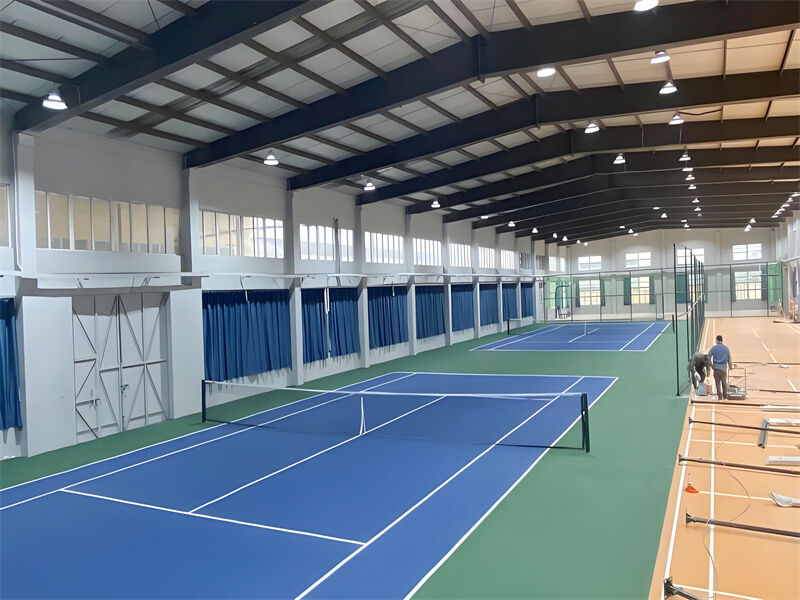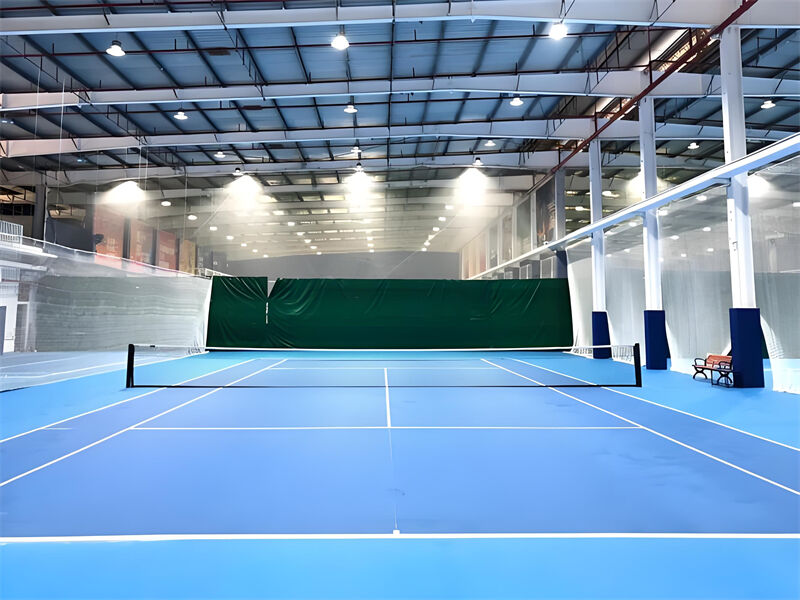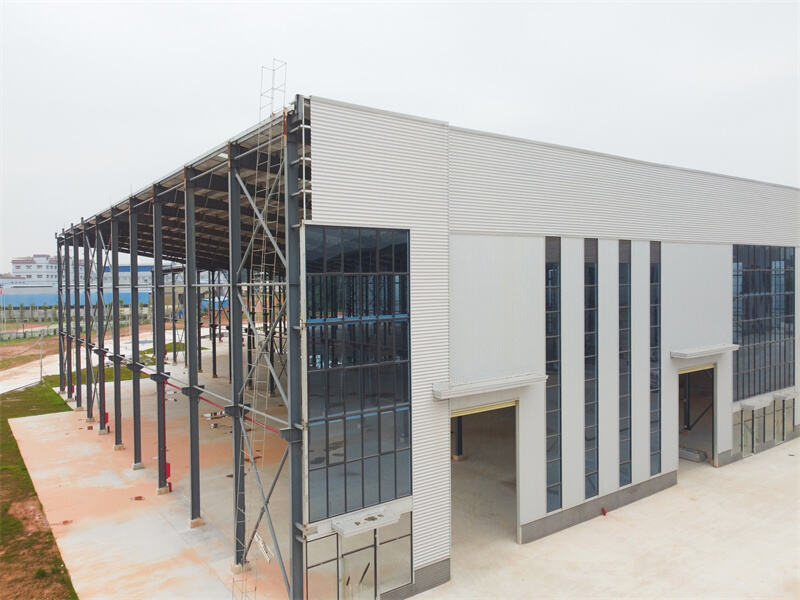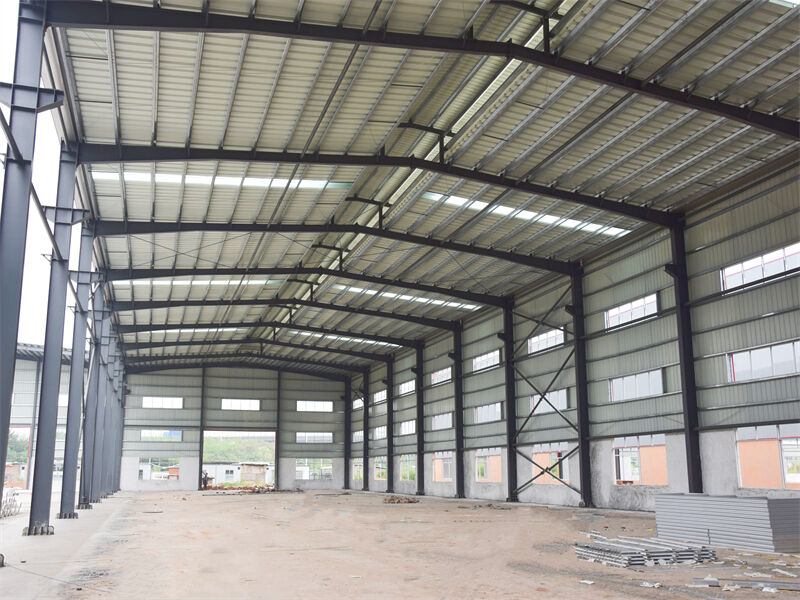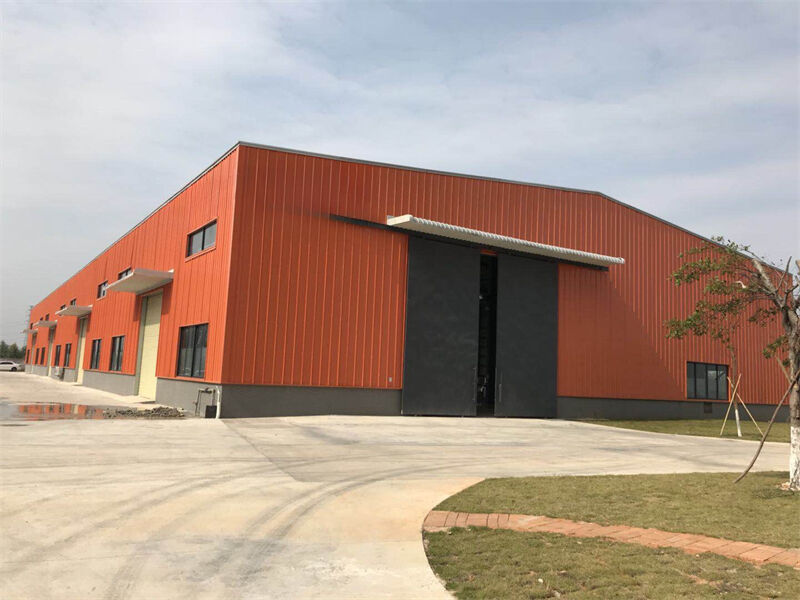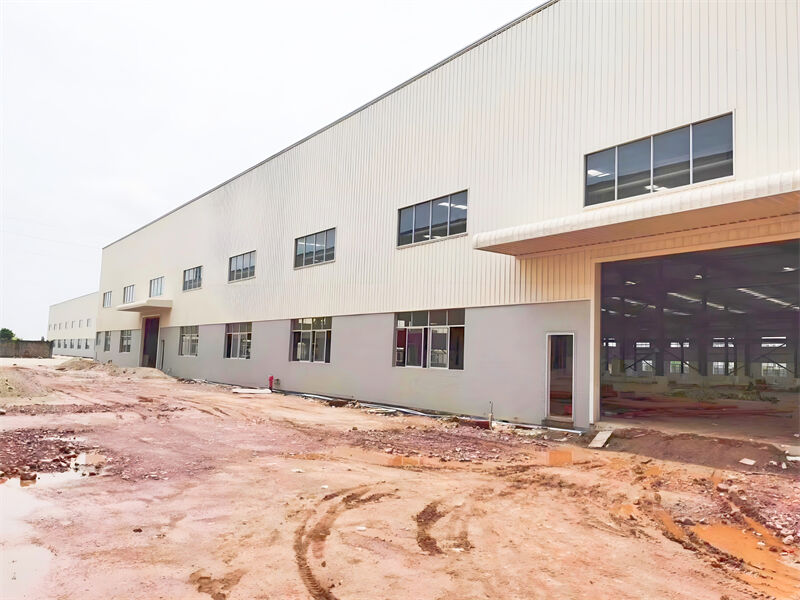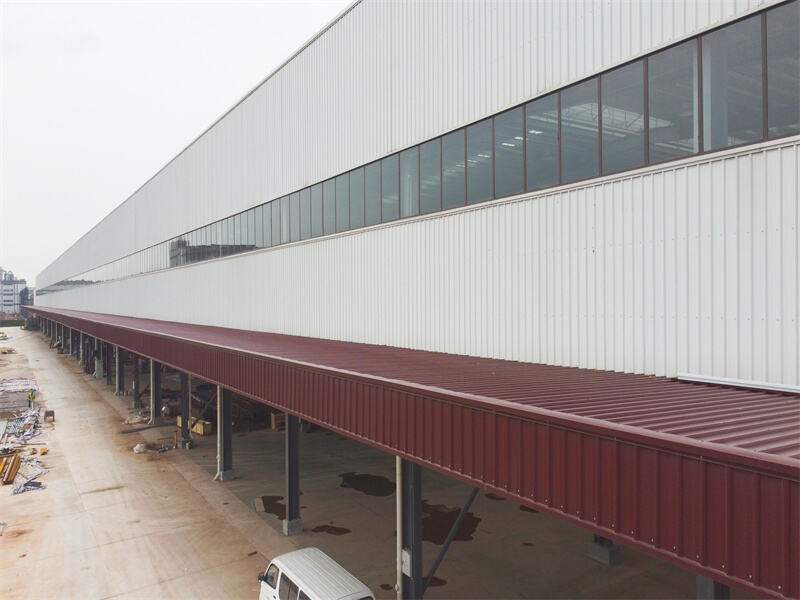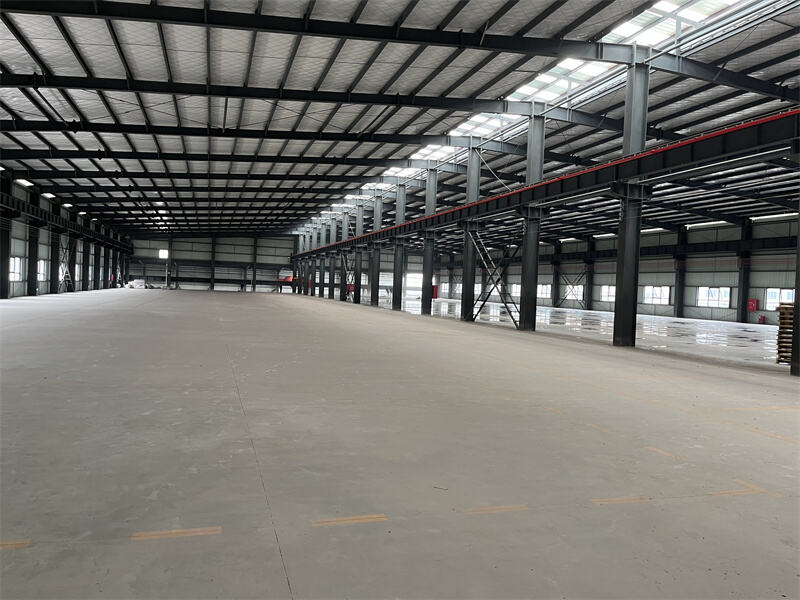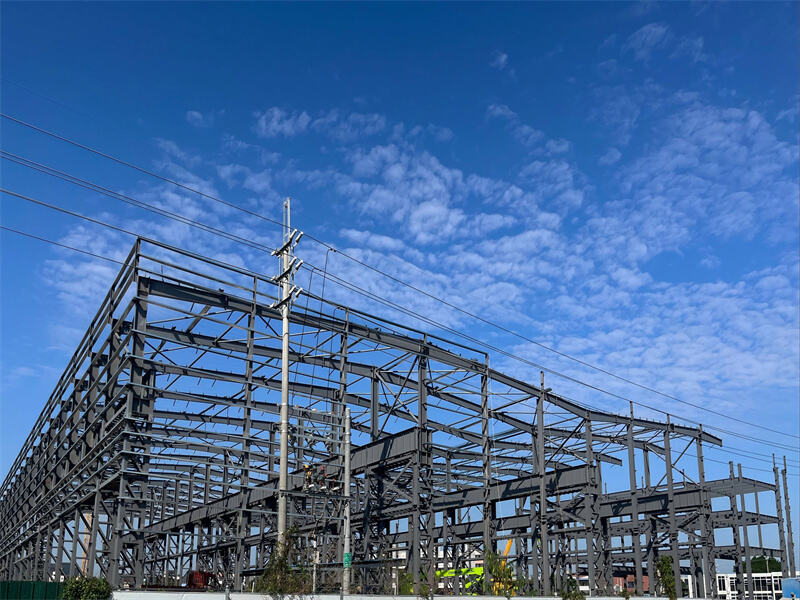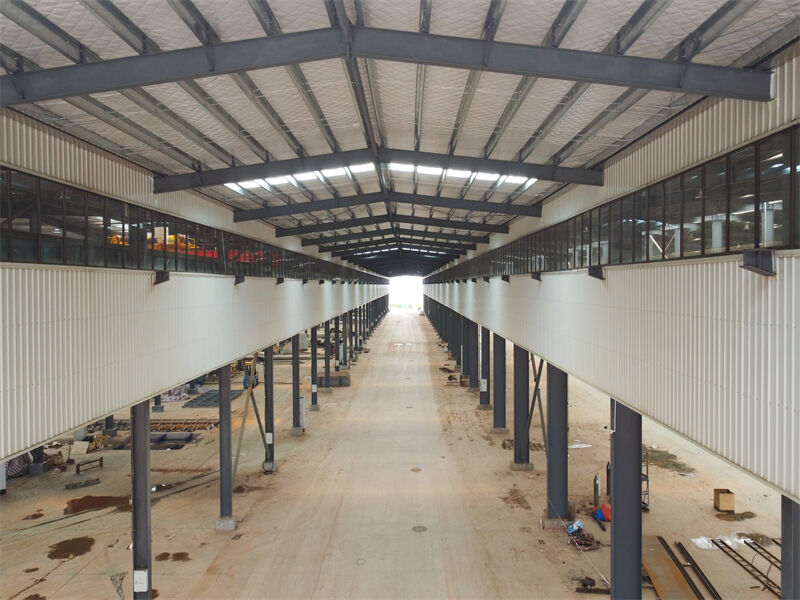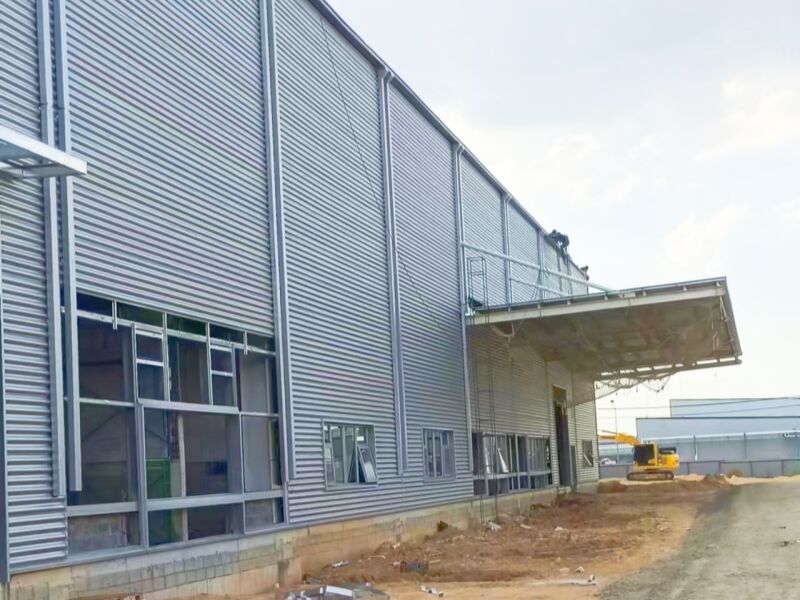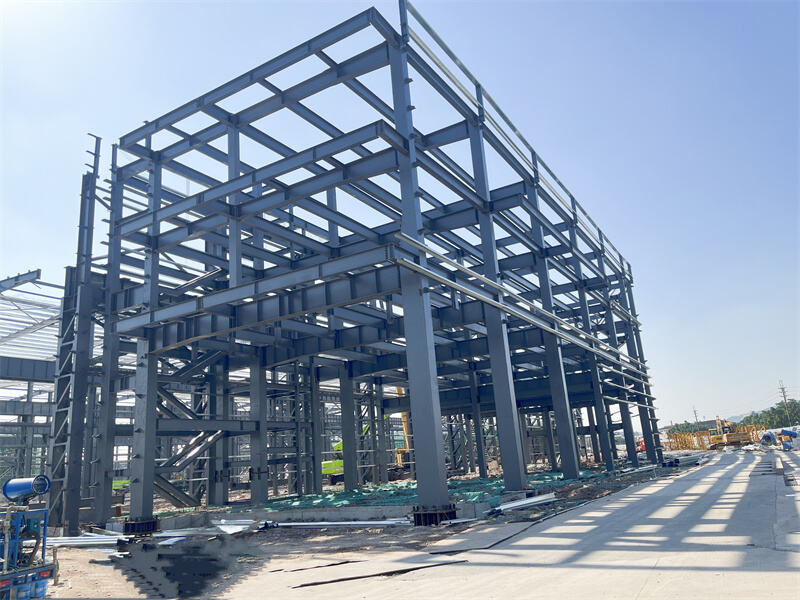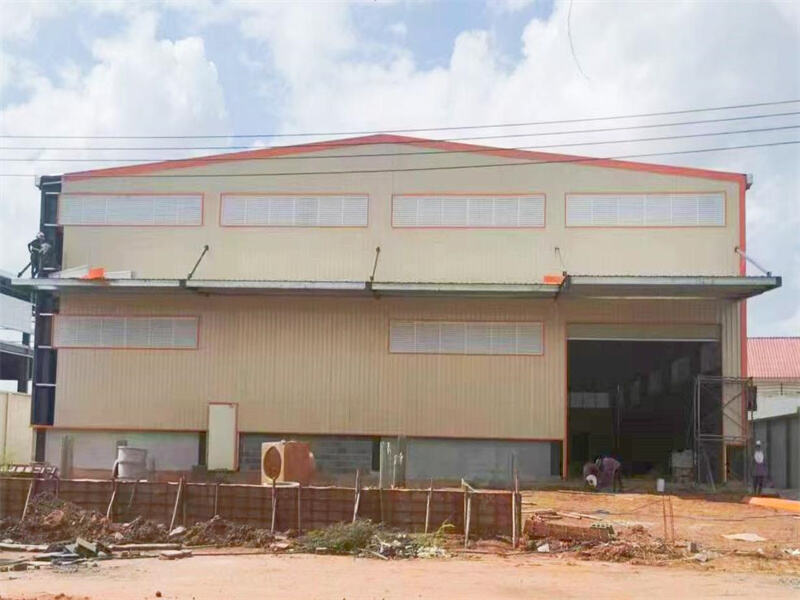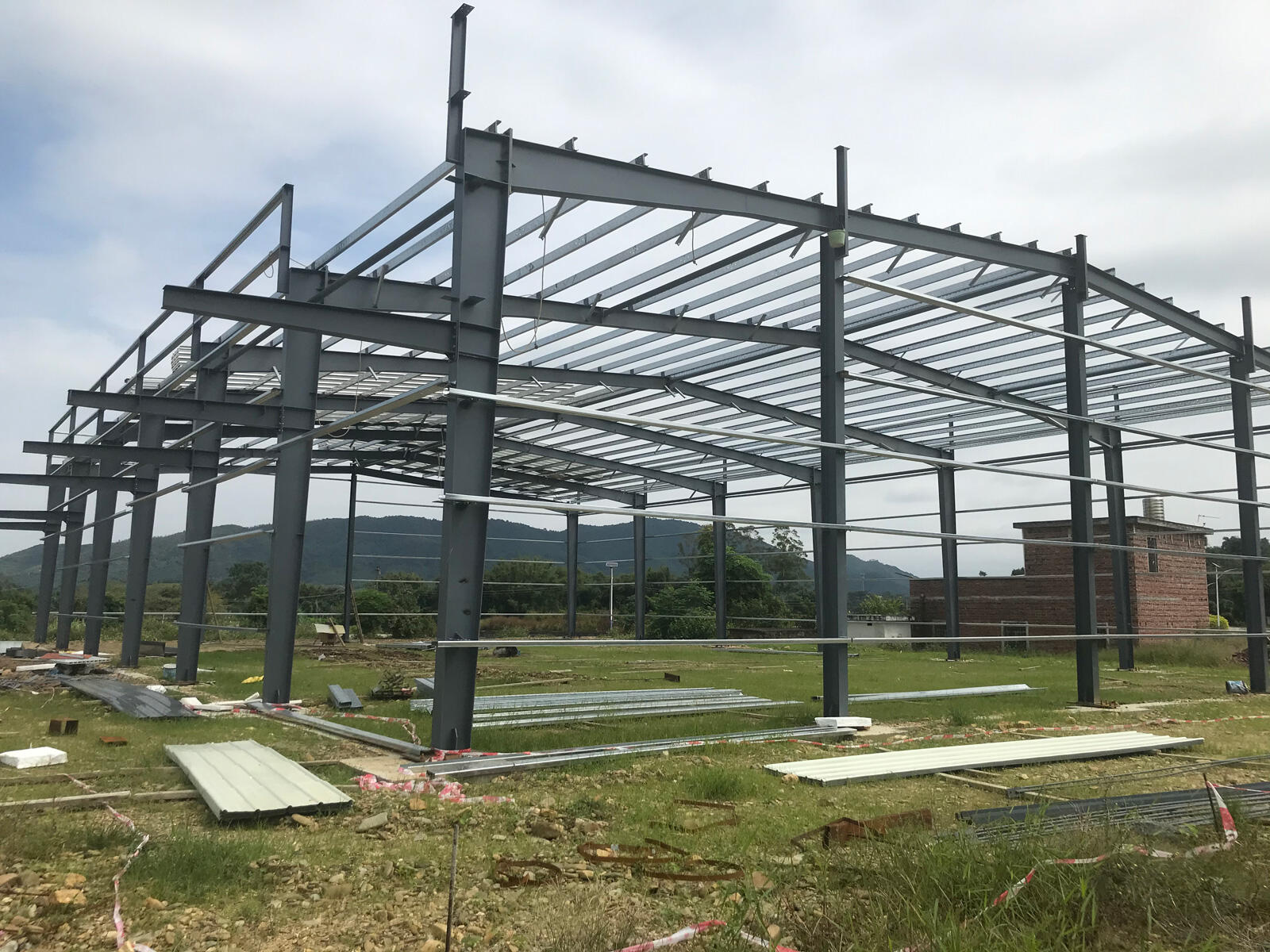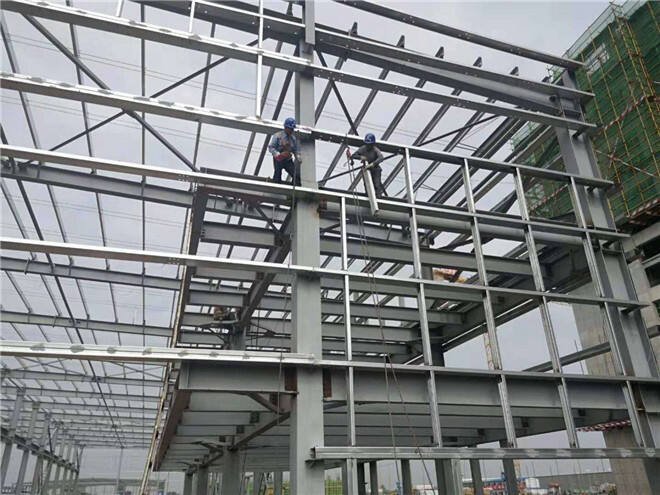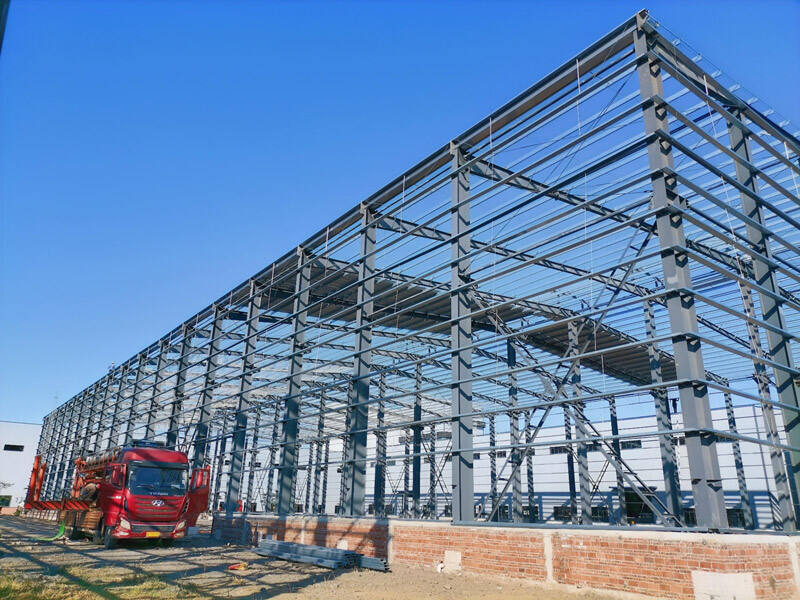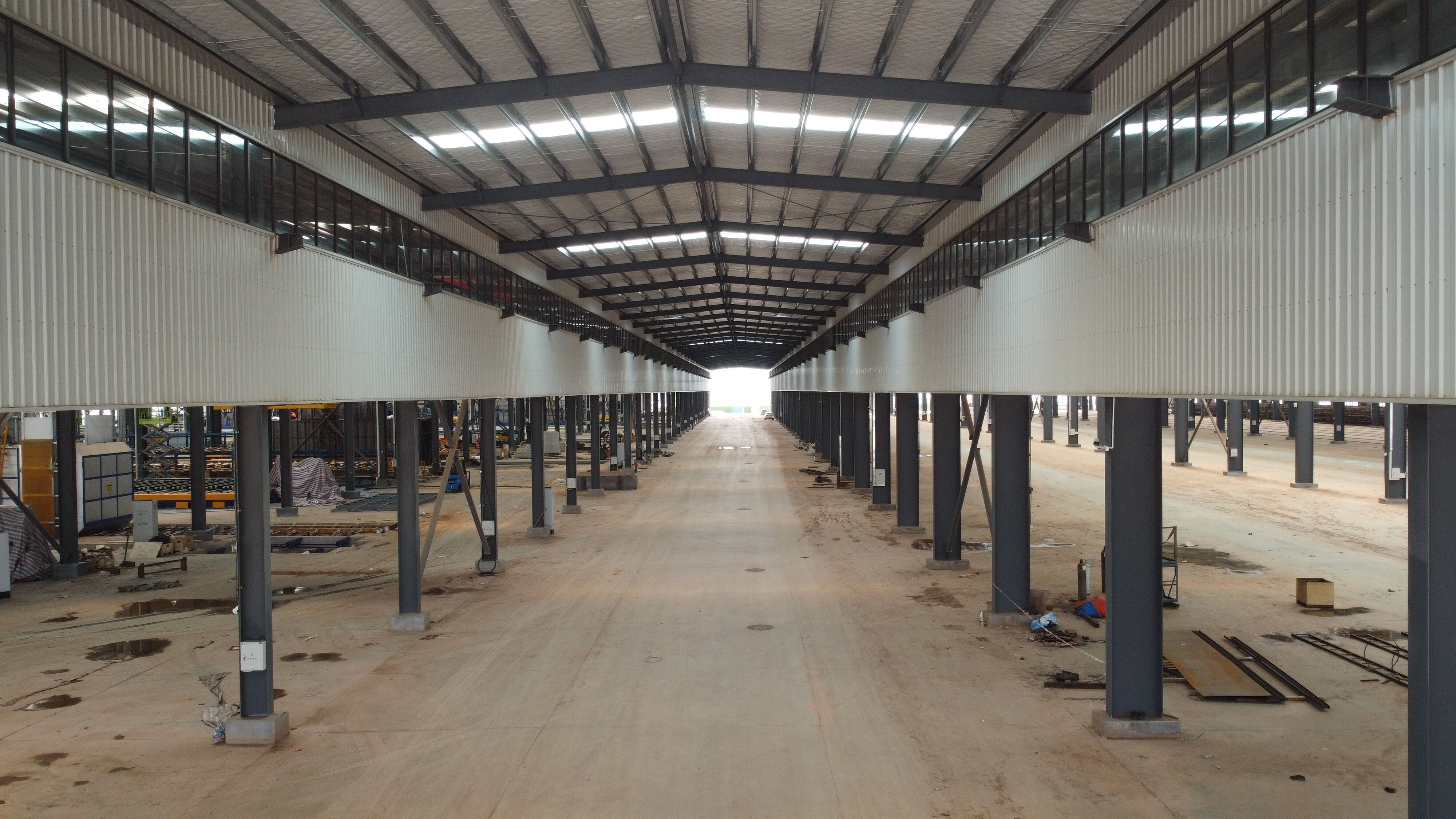
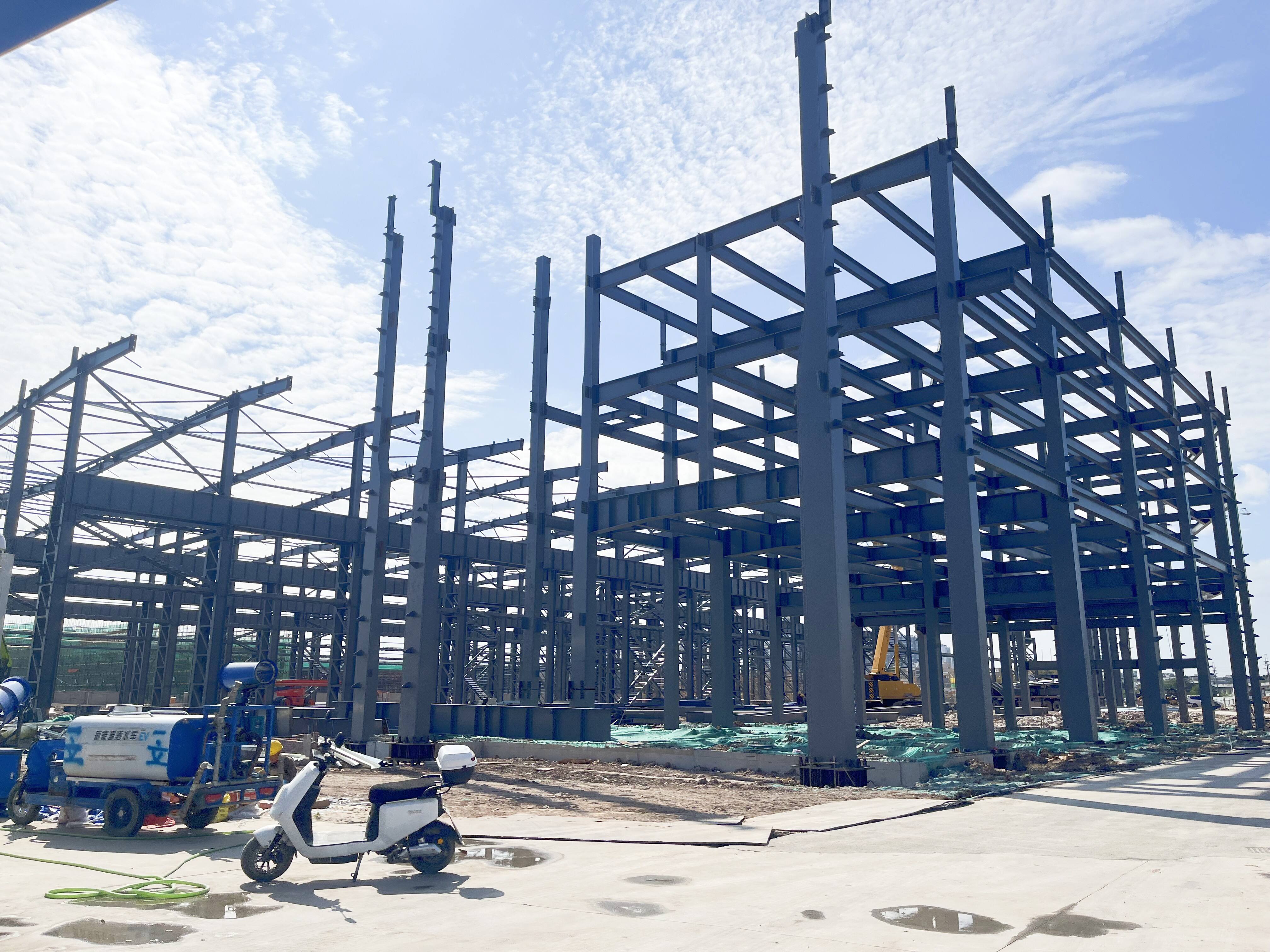
Steel constructions by Guangdong Junyou Steel Structure Co., Ltd encompass a vast ecosystem of structural solutions, leveraging steel’s unique properties to deliver projects that span scales, industries, and geographies. At the heart of these constructions is a commitment to engineering excellence, with in-house teams of structural engineers, fabricators, and project managers collaborating to transform concepts into reality. From initial feasibility studies to final commissioning, the company oversees every stage, ensuring alignment with client goals, regulatory standards, and environmental considerations. The breadth of steel constructions is remarkable, covering industrial mega-projects like 50,000m² manufacturing plants with overhead crane systems (capacities up to 200 tons), to intricate infrastructure such as steel bridges (spans up to 200m) and stadiums (with cantilevered roofs covering 50,000+ seats). Commercial constructions include high-rise office towers (40+ storeys) with composite steel-concrete floors for vibration control, while specialized projects range from offshore platforms (with corrosion-resistant duplex steel) to airport terminals with large-span roof trusses (up to 100m) that create grand, column-free spaces. Advanced technologies drive precision and performance. 3D modeling (using Tekla Structures) allows for clash detection before fabrication, while finite element analysis (FEA) optimizes component design for load, stress, and fatigue. Robotic welding ensures consistent joint quality, with welds meeting AWS D1.1 standards, and CNC cutting achieves dimensional accuracy of ±0.5mm. For complex geometries—curved beams, tapered columns—advanced rolling and bending techniques shape steel without compromising strength. Sustainability is integrated into every construction. Steel’s recyclability (90% of construction steel is recycled) reduces environmental impact, while prefabrication minimizes on-site waste by 30%. The company also prioritizes energy-efficient designs, incorporating solar-ready roofs, natural ventilation systems, and thermal insulation to lower operational carbon footprints. Quality assurance includes third-party inspections, load testing, and material certification, ensuring each steel construction meets or exceeds international standards (AISC, BS, GB). Whether for landmark projects or critical infrastructure, these steel constructions stand as a testament to innovation, durability, and adaptability.
Copyright © 2025 by Guangdong Junyou Steel Structure Co., Ltd.
 EN
EN