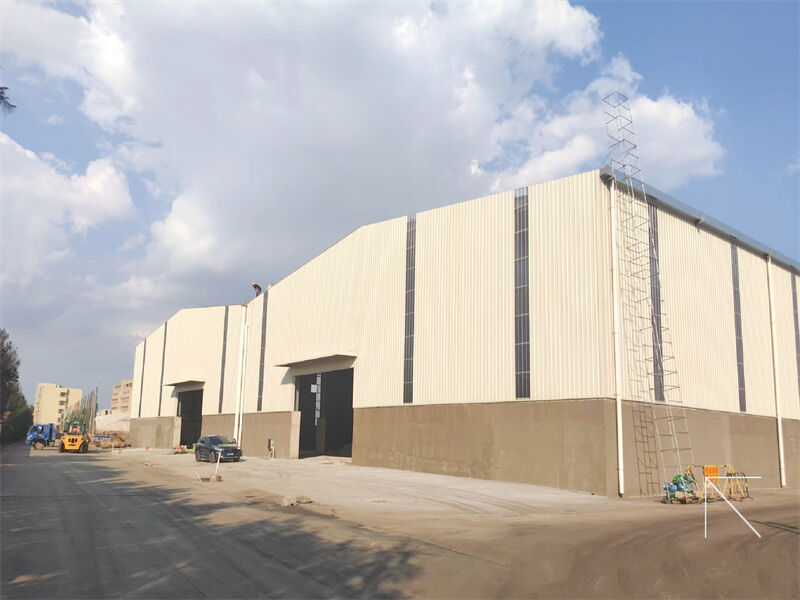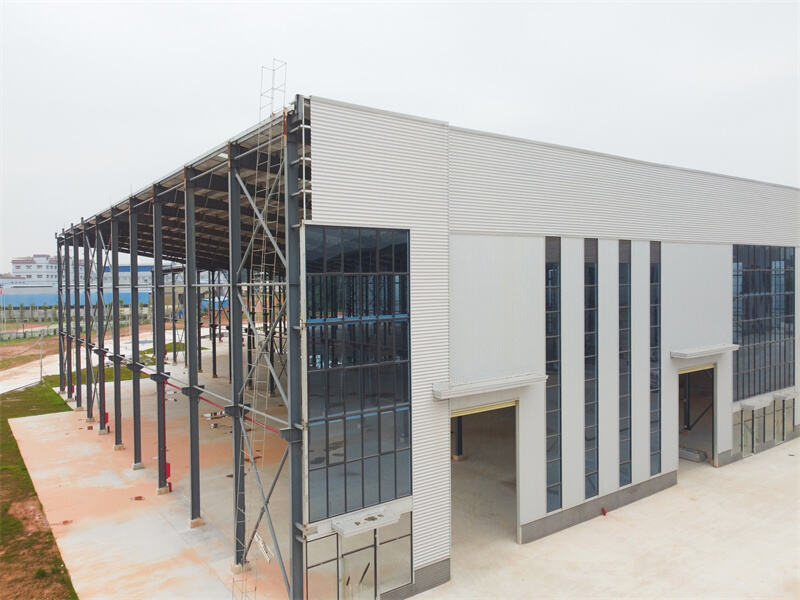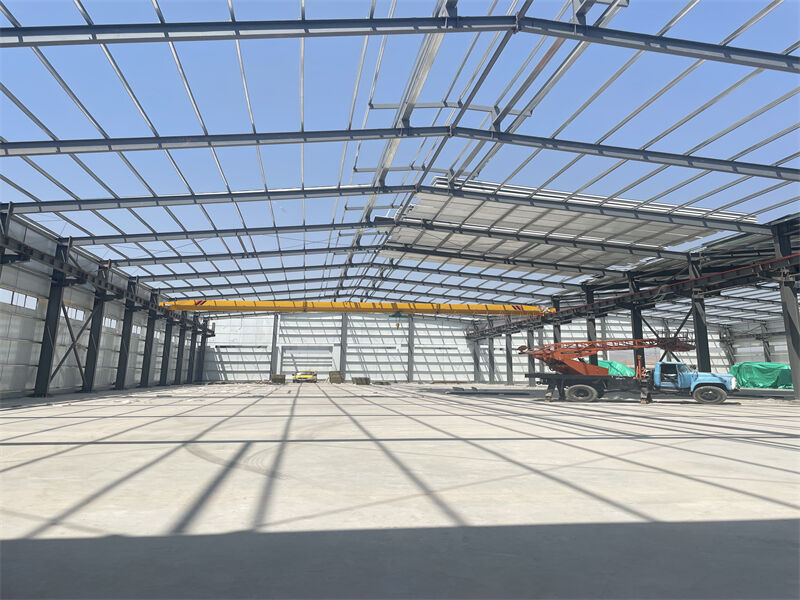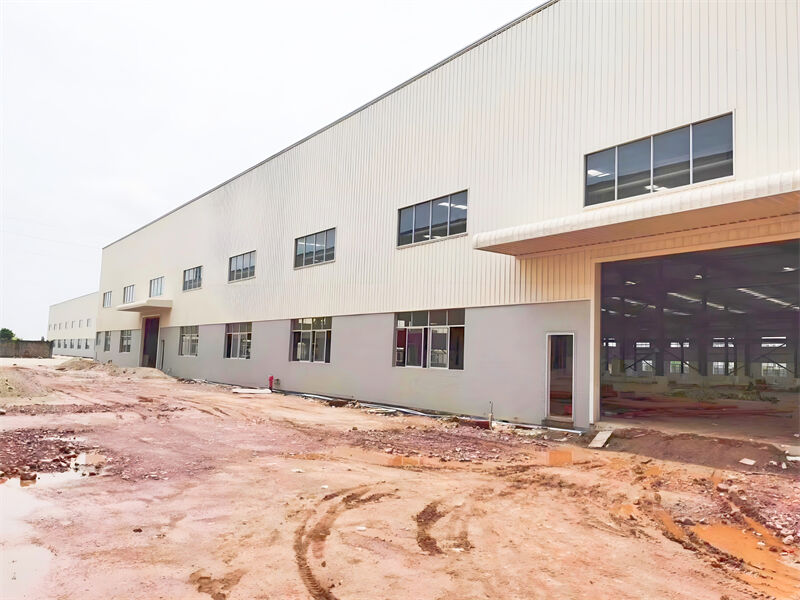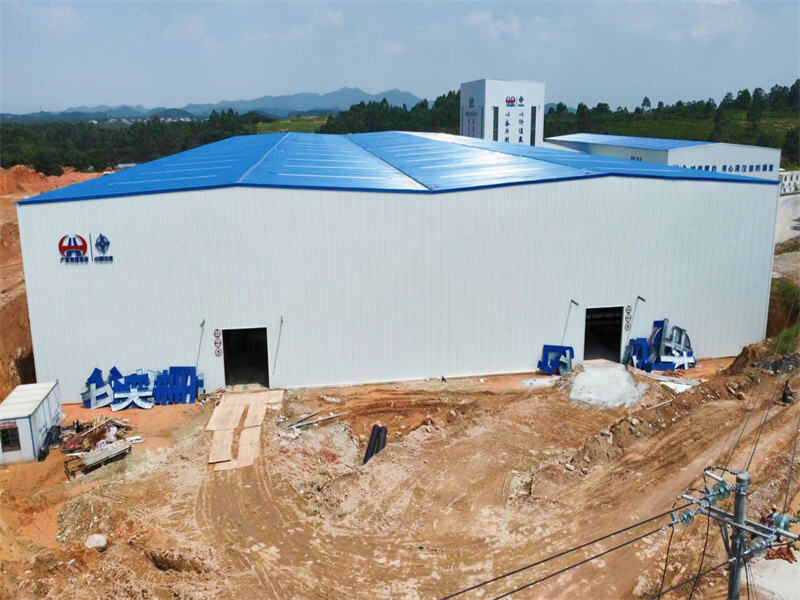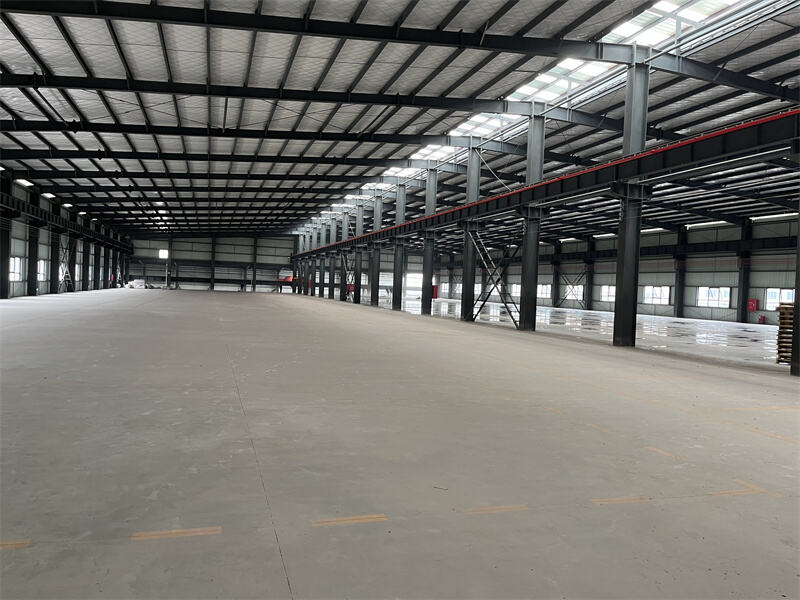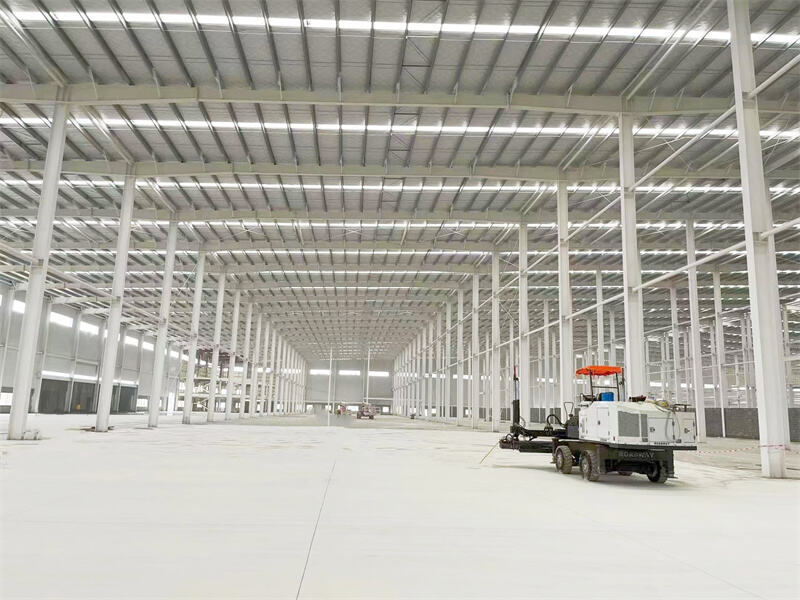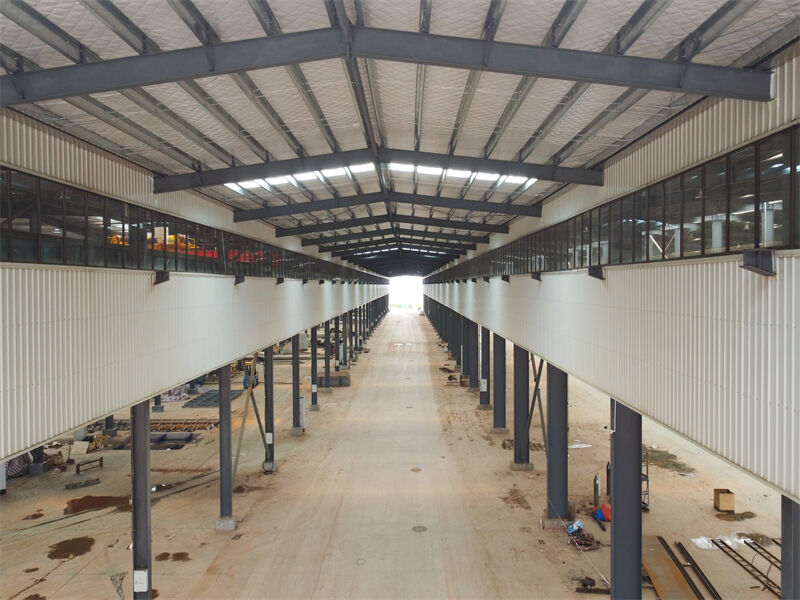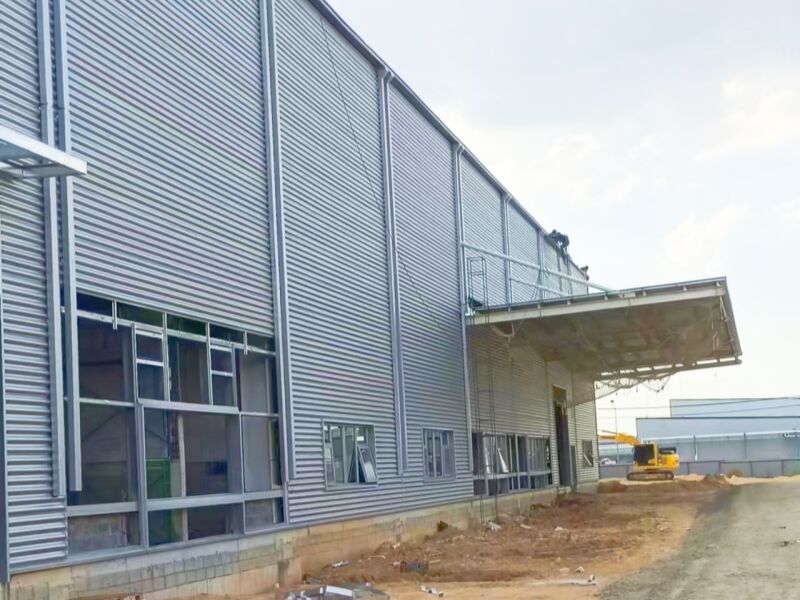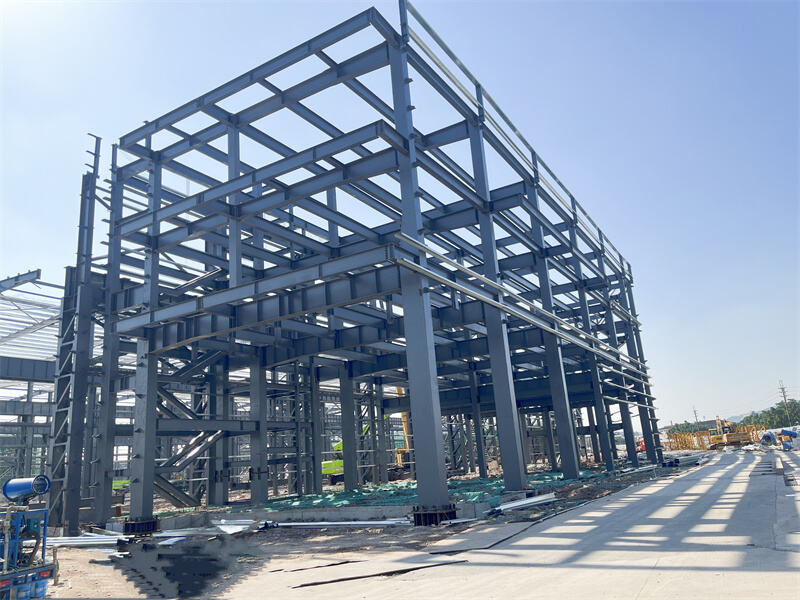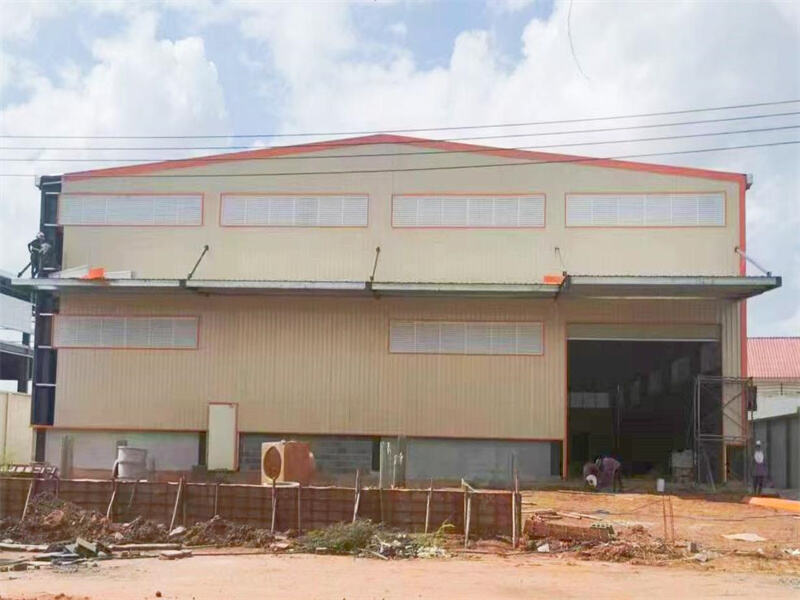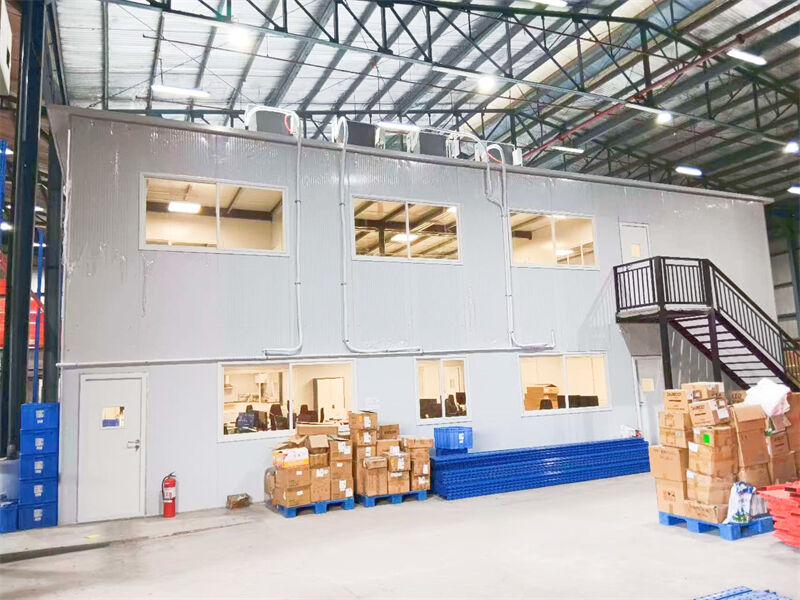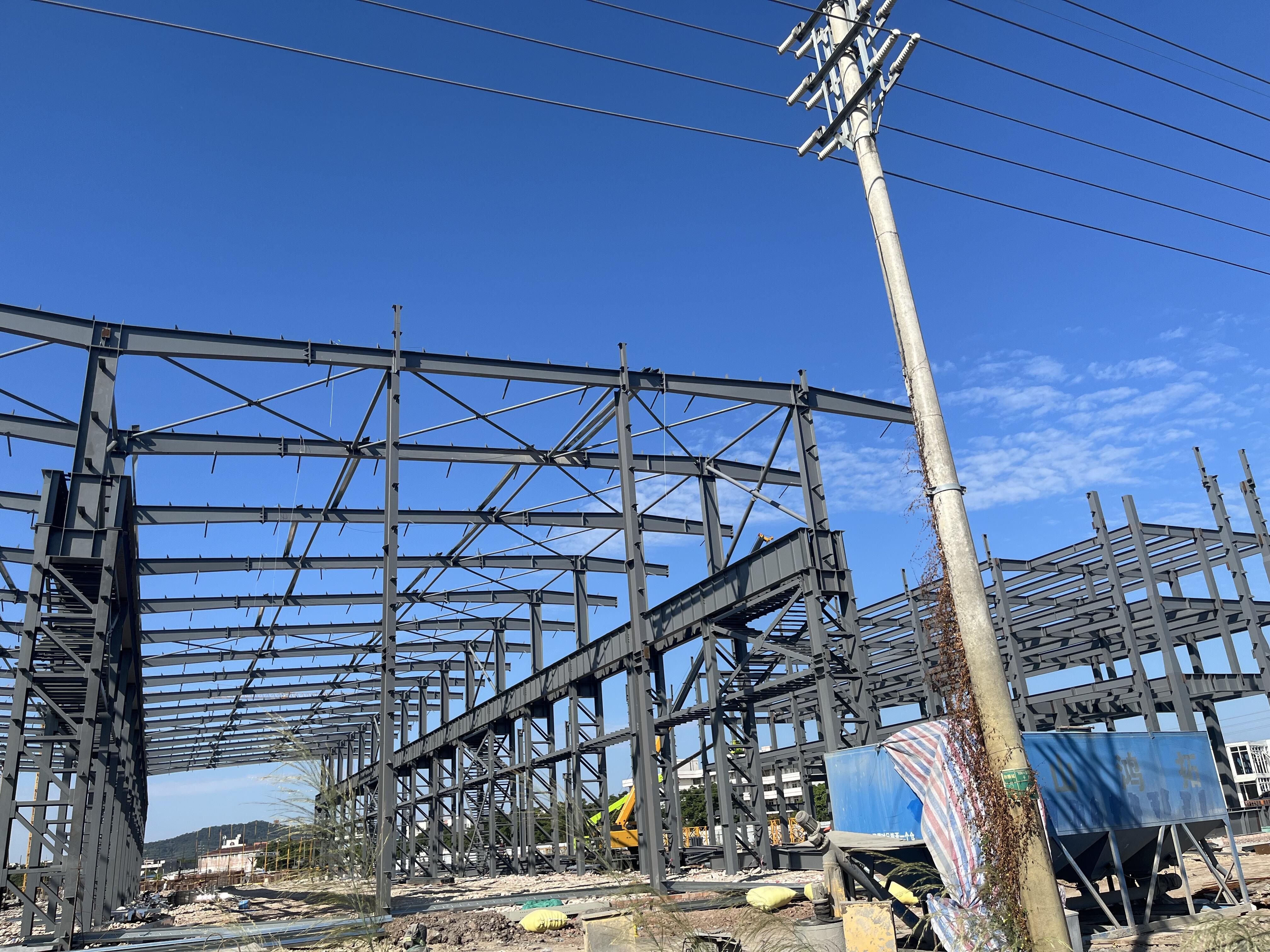
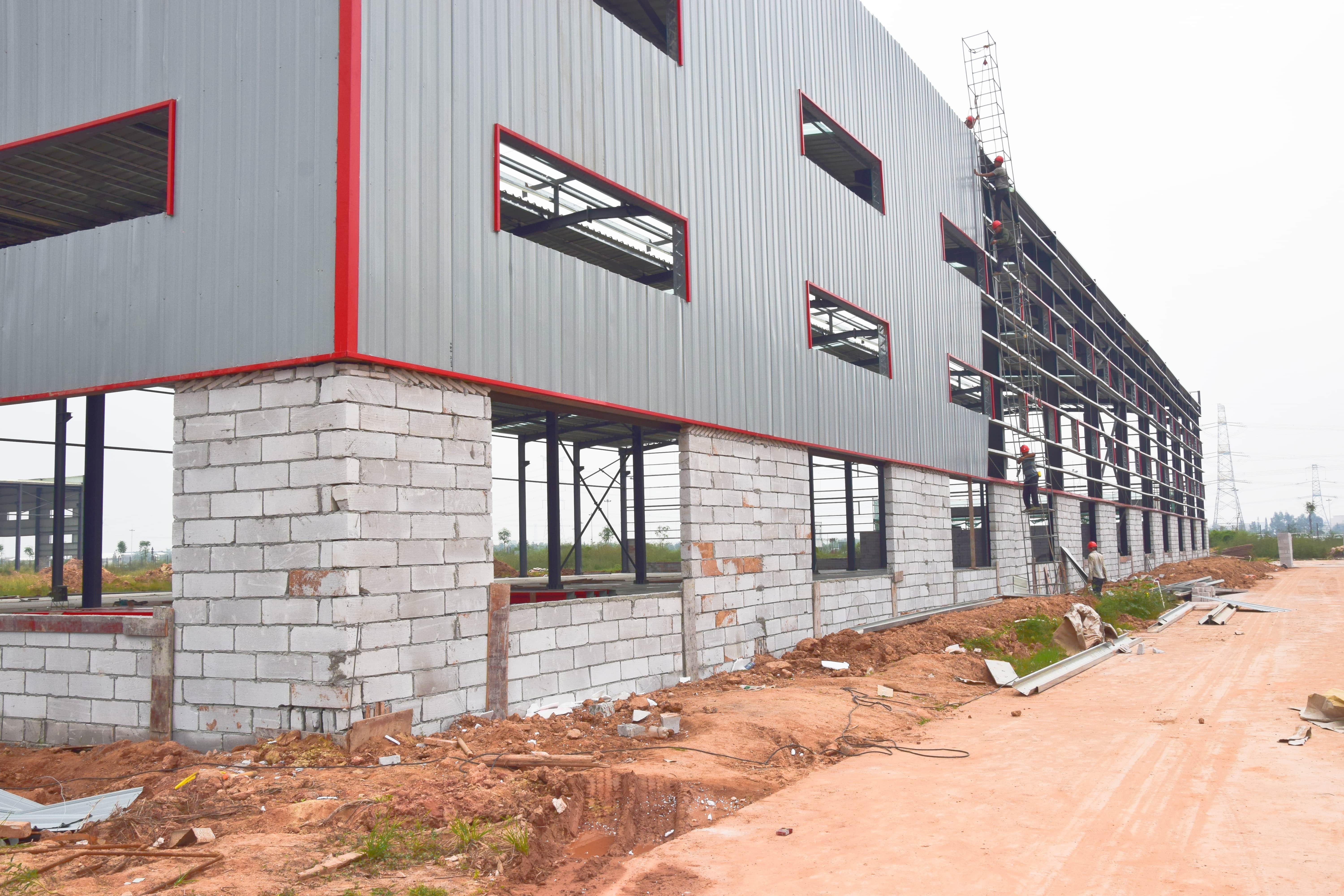
Steel frame metal buildings by Guangdong Junyou Steel Structure Co., Ltd combine the structural backbone of steel frames with the protective envelope of metal cladding, creating durable, versatile structures for industrial, agricultural, and commercial use. The steel frame—composed of hot-rolled beams and columns for primary support, paired with cold-formed purlins and girts for secondary rigidity—delivers exceptional load-bearing capacity (up to 6kN/m²) and spans (up to 45m), making it suitable for housing heavy equipment, storing bulk materials, or creating large open spaces. Metal cladding enhances performance and aesthetics. Available in steel (galvanized or painted) or aluminum, the cladding comes in various profiles (corrugated, standing seam, or flat) to shed water, resist wind, and insulate against temperature extremes. For industrial environments, heavy-gauge steel cladding (0.8-1.2mm) resists impact and corrosion, while for agricultural use, light-gauge aluminum cladding (0.5mm) offers cost-effectiveness and rust resistance. Insulated metal panels—with polyurethane or mineral wool cores—provide thermal efficiency (U-value 0.25 W/m²K) for climate-controlled applications. Customization adapts to specific needs. Roof pitches (5° to 30°) are tailored to climate—steeper for snow-prone regions, shallower for wind resistance—while wall heights (3m to 10m) accommodate equipment or storage requirements. Door options include large overhead doors (up to 8m wide) for machinery access, personnel doors for easy entry, and even roll-up doors for space-saving. Ventilation systems (ridge vents, wall louvers) prevent moisture buildup, critical for agricultural or storage use, while skylights add natural light, reducing energy costs. Construction and lifecycle benefits are significant. Prefabricated steel and metal components reduce on-site construction time by 50%, with bolted connections simplifying assembly and ensuring quality. The steel frame’s recyclability (100%) and metal cladding’s high recycled content (up to 60%) align with sustainability goals, while the structure’s durability (40+ year lifespan) minimizes replacement needs. Low maintenance requirements—occasional cleaning and coating touch-ups—ensure long-term performance, making these buildings a cost-effective choice for businesses seeking reliable, adaptable structures.
24
Jul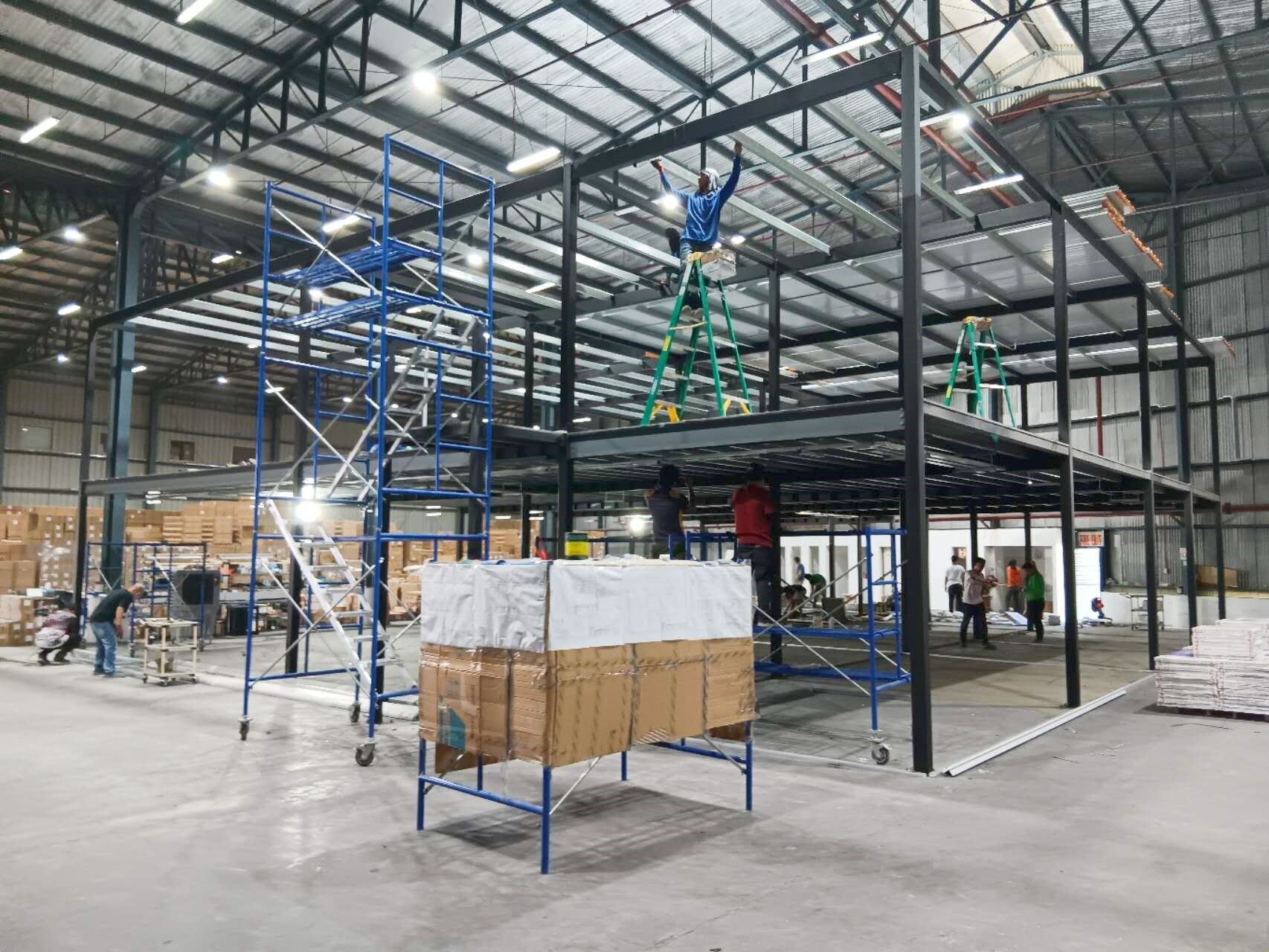
24
Jul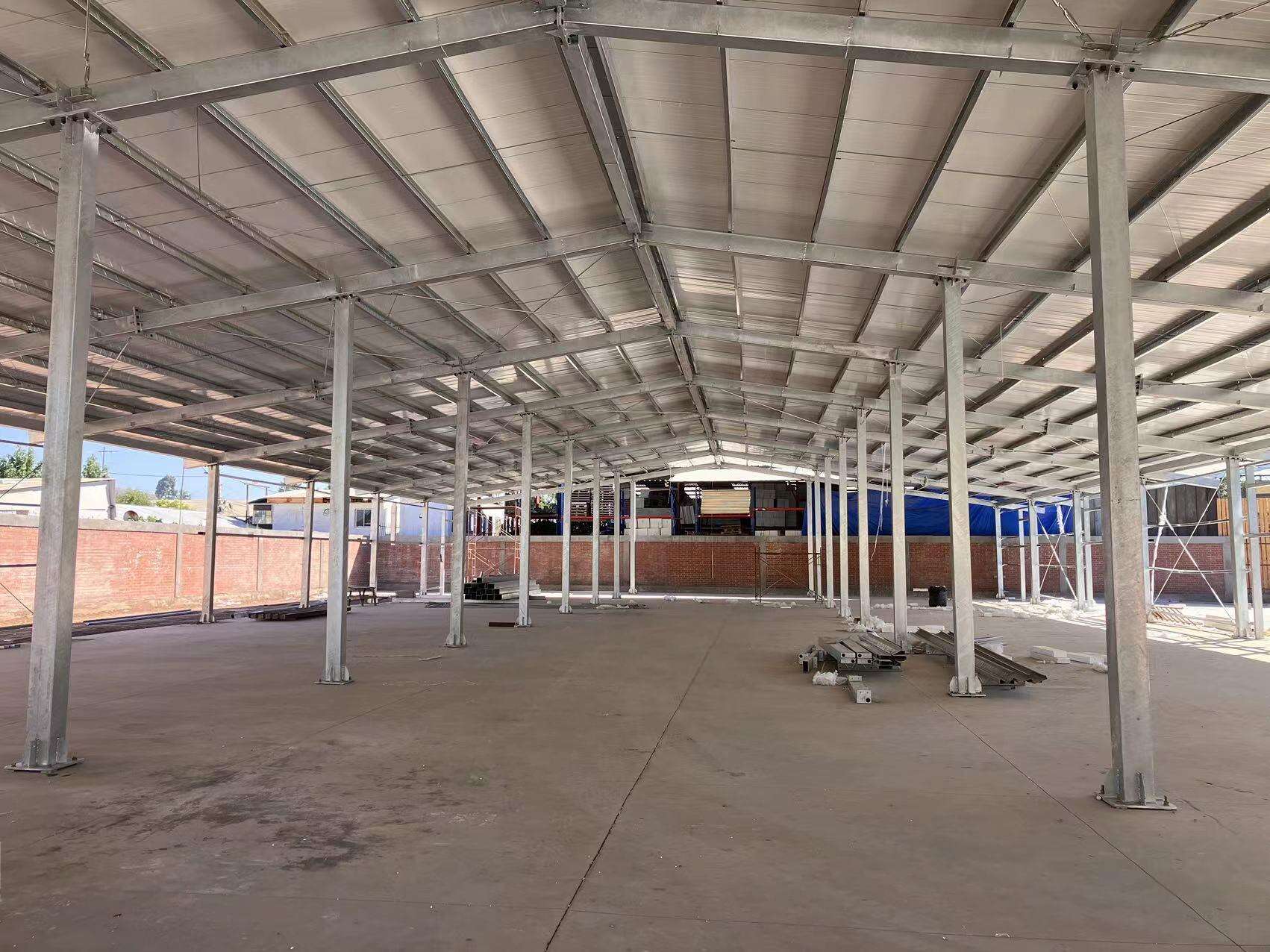
24
Jul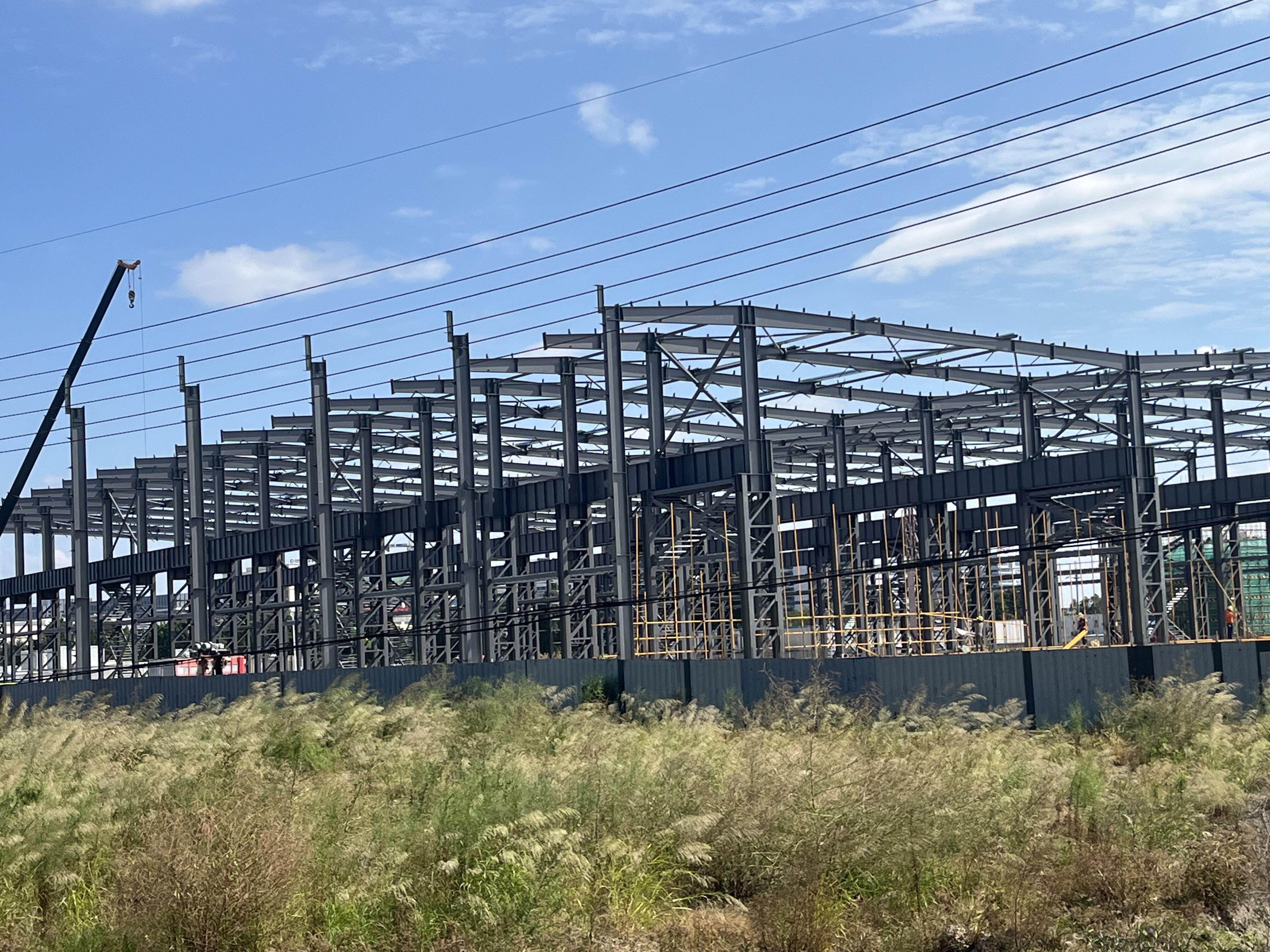
24
Jul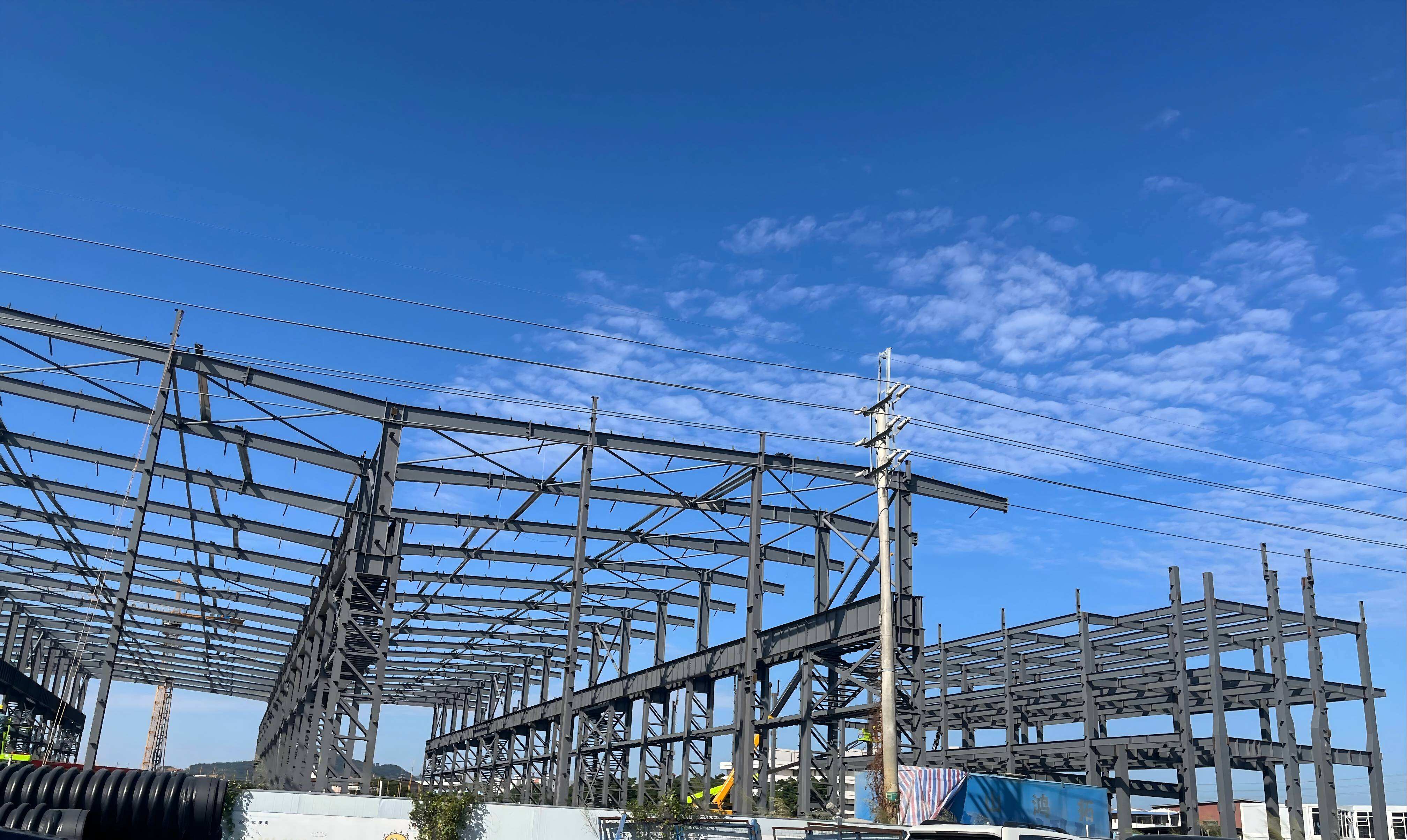
Copyright © 2025 by Guangdong Junyou Steel Structure Co., Ltd.
 EN
EN