 EN
EN
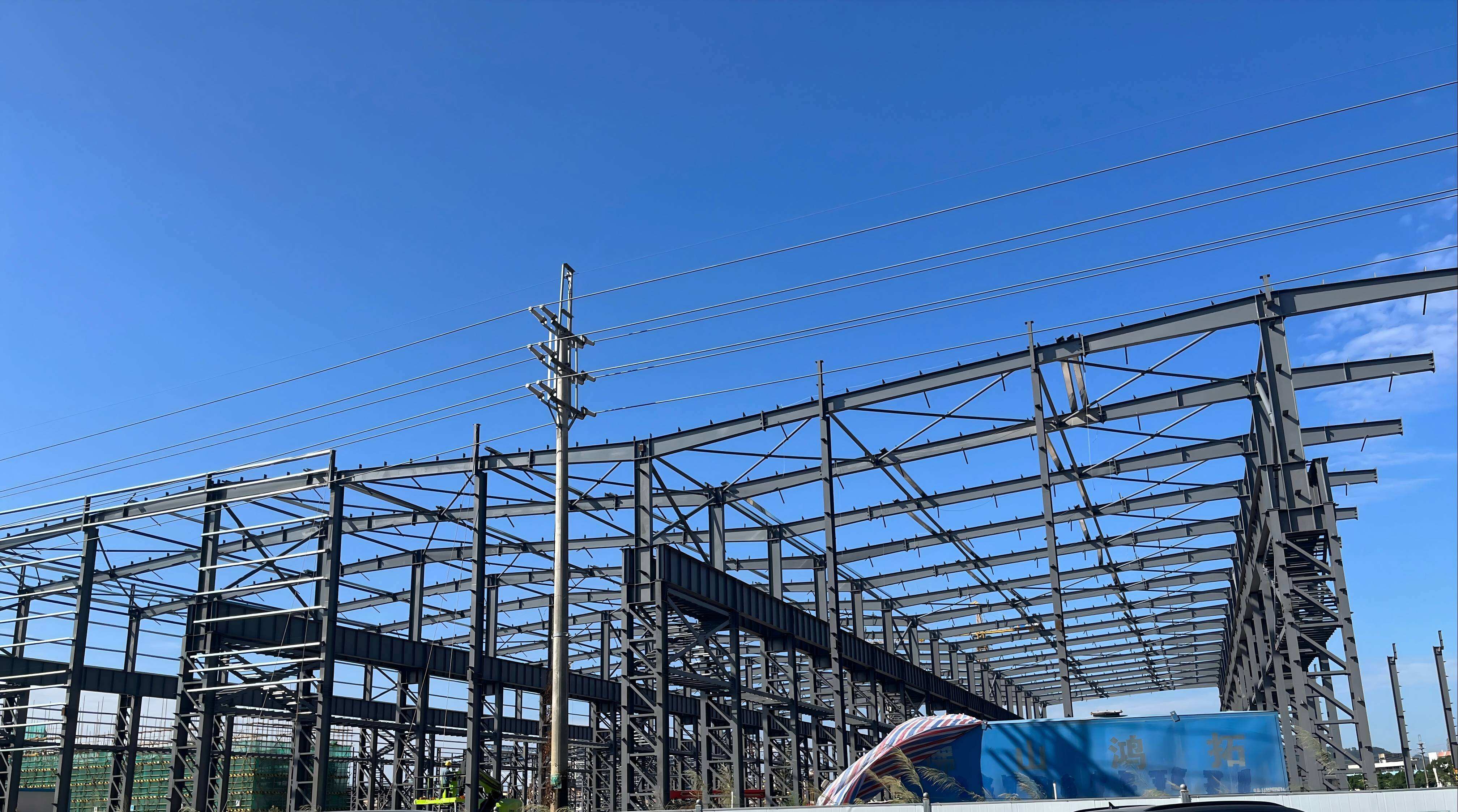
Ujenzi wa Awali na Uzalishaji Mbali na Tawi Kwa Ajili ya Uwasilishaji wa Kawaida wa Jengo la Kisanduku cha Fulani
Vipengele vya Fulani vilivyotengenezwa Awali Viwapi Vikiolesha Wakati wa Ujenzi Mahali
Vipengee vya chuma vilivyotengenezwa katika mitaa tayari vimepigwa na kupaswa, kwa hivyo hakuna hitaji la kupima, kutua au kupasa chochote mahali pa ujenzi. Kulingana na data ya maandalizi kutoka kwa SFIA iliyotokeza mwaka jana, njia hii inapunguza kazi ya uwanja kwa pengine nusu na inaondoa kabisa vichekesho vya upepo ambavyo daima vinatokea wakati wa miradi. Kiwango cha usahihi kinachopatikana wakati wa utengazaji wa vipengee hivi katika mazingira yasiyobadilika kunama vibaya viwango vya makosa vinavyotokea wakati wa kuweka vitu pamoja, ambavyo hunifisha wakati na pesa kulingana na njia za zamani za ujenzi ambapo makosa yalikuwa ya kawaida sana. Chuma kilichopaswa baridi kinaonekana hasa hapa kwa sababu ya muundo wake uliowekwa sawa. Wakosoa wanaweza kuwasiliana haraka kama vipande vya puzzle. Tumeona sakafu zenye takriban elfu kumi za mita za mraba zinajikuta kwa siku tatu tu kwa kutumia namna hii.
Uwiano wa Mishikaki na Vipande ili Kuongeza Kasi ya Kusanya
Wakati maelezo ya muunganisho yanabaki sawa kwa miradi na wasifu zinazorudiwa mara kwa mara, huzalisha mfululizo ya ushirikiano ambayo wafanyakazi wanaweza kuibwena tena na tena. Vipato vya ujenzi vinazoea kusanya vipande vyenye sanadaro hadi vile mikono yao ni karibu huhamia kiotomatiki, ambacho huweza kupunguza muda ambao muunganisho wowote unachukua na kuwasha nafasi za akili kwa mambo mengine. Katika maeneo ambapo kila kitu kinaingia kwa usawa, kujenga miundo inatokea takriban asilimia thelathini ikiharibi kuliko kawaida, wakati gharama za kazi zikishuka kama asilimia ishirini. Pia hakuna hitaji halisi la mabadiliko ya dakika ya mwisho. Tabia ya kurudia kwa taratibu hizi pia inafanya kutambua mahitaji ya vituo kuwa rahisi zaidi. Vyumba vilivyofanywa kwa vipande vilivyotengenezwa mapema vinazoea kuwa na matatizo ya umeme wa usambazaji chini kama herufi kumi na tano kwa sababu wanasindika kundi kwa wakati uliopangwa. Tunavyomwona mwishowe ni maeneo ya ujenzi yanayofanya kazi zaidi kama mashine za uzalishaji kuliko maeneo ya kazi ya kawaida, yanayosonga kupitia kazi kwa kasi sawa bila vikwazo visivyohitajika.
Mkono wa Panda la Chini (MPCh) na Mifumo za Kiasi: Kasi inayowezekana kwa Viwanajiji vya Panda la Chini
Uboreshaji wa MPCh wa Chini, Uundaji wa Marudio Unaowezesha Uwekaji wa Haraka Kwenye Tawi
Mfame wa Funi la Kawaida au mifuko wa LSF hutumia funi ulio unda kwa baridi ambalo lina nguvu sawa kwa kati ya uzito wake. Hii inamaanisha kwamba madaraja hazihitaji kuwa kali kama hayo, mashua hazitumika kwa mengi kazi, na wafanyakazi hawabishawisha vitu vingi kwenye tovani. Mpango pia ni mara kwa mara na makabila sawa, viongozi, nyota na mifupa. Kwa sababu vyote vinavinyweka kwa namna sawa, timu za kufunga mifame vinaweza kujenga mifumo kwa muda wa kati ya 30 hadi 50 asili ikiwa kulinganana na njia za kujenga kwa njia ya kawaida. Vipenge vinaondoka awal, hivyo vinaweza kuunganisha kama sehemu za kitambaa, ambacho husaidia kupungufu makosa wakati wa kupima kwenye tovani na kuongeshi kasi ya kumalizia ujenzi wa mstari wake. Na kuna manufaa mengine ambayo ni thamani ya kusema hapa, uhakika unaopatika huweza kupungufu matumizi ya vitu kwa kiasi kirefu cha 20% kulingana na ripoti za wadau kutoka mdundiko wa ujenzi wa vitengo uliotolewa mwaka wa 2023.
Vipande vya Ujenzi wa Mfupa wa Fuli: Ujengaji wa Kiwanda Uthabiti, Kasi Tayari Kwa Tawi
Vipande vya moduli vyenye mchakato wa chuma huongeza kiasi kikubwa uwezo wa usanifu wake kwani hutengeneza vipande vyote vya muundo kama vile ngazi, sakafu na mifumo yote ya MEP mara moja katika vituo ambapo hali zinaweza kutawala. Maana yake ni kwamba kazi inafanyika wakati mmoja kwa pande mbili: msingi unapakia mahali pa ujenzi wakati moduli halijatengenezwa mahali pengine, kinachoweza kuondoa hatua za mfululizo ambazo mara nyingi tunapaswa kupitia. Unapokwenda pale moduli inapofika, mashine za kupanda (cranes) zinawasilisha pamoja kwa kasi ikilinganishwa na njia za kawaida. Kama mfano wa Kijiji cha Makamani ya London – walipunguza wakati watu wanalosubiri kabla ya kuhamia kwa takriban asilimia 60 kwa sababu ya namna hii ya kufanya kazi. Na tusisahau pia ubora. Vituo vinaudhibiti vizuri viwango, vikiwezesha makosa tu takriban millimeter moja tu. Ukaribu huo unamaanisha matatizo machache sana yanayotarajiwa kutatuliwa baada ya vipande kuunganishwa mahali pa ujenzi.
Uboreshaji wa Mtiririko wa Kazi wa Kidijitali: BIM, Usanifu wa Ubunifu, na Kuzuia Makosa katika Miradi ya Ujenzi wa Fremu za Chuma
Usimamizi wa Awali kupitia BIM (kama vile Tekla Structures) kuondoa Vikwazo vinavyosababisha Mizungumzo
BIM inaruhusu maadili mbalimbali kuendelea pamoja kabla hata kuanza mradi. Programu kama Tekla Structures hundua michoro halisi ya 3D ambayo inatambua matatizo yanayotokana na vitu visivyofaa, kama vile vipande vya chuma vinapopita pande zile ambapo viwango vya hewa au mifuko ya umeme vinapita kwenye madirisha. Kusuluhisha masuala haya kwenye skrini badala ya mahali pa kazi husaidia kujikomoa kwa gharama, kuepuka vicheko vya muda, na kupunguza mabadiliko muhimu yenye gharama kubwa ya dakika za mwisho. Wakati kila mtu anapojifunza kile kinachofaa tangu siku ya kwanza, wazo njema hubaki imara kote katika mchakato wote wa ujenzi badala ya kupotea kwingine kati ya karatasi na ukweli.
Ubunifu uliofufuliwa na Michezo ya Utengenezaji Imeyaweka Kiotomatiki ili Kuwezesha Uidhinishaji na Utengenezaji Haraka
Kutumia maktaba rasmi ya uunganishaji pamoja na vigezo vya vipengee huchipeshi kasi kwa mchakato wa kutengeneza michoro huku ukibaki wa kawaida kati ya miradi tofauti. Unapoweka BIM pamoja na mchakato cha utengenezaji, mfumo unachukua michoro hizo uliopangamkia na kubadilisha kuwa michoro halisi cha utengenezaji pamoja na maelezo yote muhimu, alama sahihi za upishi, na mifupa sahihi ya vifurushi. Sasa timu za uhandisi zinapokea muda kidogo sana kuchambua nyaraka hizo, kwa maneo fulani kama 30 hadi 50 asili kidogo cha muda kwa ujumla. Watu wanaoweka vipengee wanapokea maelezo yao bila makosa haraka kulikua awali, ambayo inamaanisha vipengee havisimame wakiongoa wakati. Vipengee vinakuja kwenye maeneo ya ujenzi tayari kwa ajili ya kusakinisha. Hakuna tena kushaka kuhusu kile ambacho kinachotarajika kifanywe kwenye eneo, na vipimo vinaibaki sahihi kote kwa mchakato wote kutokaza pale vipengee vimekatwa kwenye ghala hadi pale vinakutikana kwenye msingi wa jengo.
Uwasilishaji wa Mradi Umoja na Usimamizi wa Mwisho wa Ombwe la Kuweka Mipaka kwa Muda Uthabiti
Mfumo wa Uwasilishaji wa Mradi Unaojumuisha unawasilisha kila mtu kwenye miradi ya ujenzi - wale wanaodizaini, wengine wa uhandisi, wale wanaofanya vipengele, na wale wanaovinunua vipengele vyote wakifanya kazi kuelekea malengo sawa badala ya maslahi zinazoshindiana. Badala ya kutatua makubaliano mbalimbali ambazo zinawezesha kutatua, timu husaini mkataba mmoja kubwa awali. Mazingira haya husaidia kutatua matatizo haraka bila kubadilishana kuhusu mabadiliko ya ubunifu baadaye. Ushauri unaotokea kabla ya wakati mwingine watu wanaofikia. Vifaa vya chuma vinachanzia kupokea maagizo yao miezi kabla ya wakati ambapo michoro bado ni rasimu. Mipango wa uundaji huweka mahali mbele kabla ya mtu akufikia kufikia kutoa ruhusa ya ujenzi. Ushiriki wa awal wa wafanyabiashara unafanya tofauti kubwa pia. Wanapata fursi za kurahisi mambo wakati wa uundaji, labda kubadili jinsi nguzo zinavyolinganisha au kufanya uunganisho kuwa rahisi zaidi kusakinisha. Mabadiliko haya madogo hunyepesi kazi katika vituo na kwenye tovani sawa. Kulingana na data ya maandalizi kutoka kwa vyumba vya chuma vya Kaskazini Amerika, miradi ambayo hutumia mfuatano huu wa timu zinakwama kati ya 15 hadi 30 asimia ikiwa ni sawa. Pia gharama zinabaki zaidi ya kuchukuliwa na muda wa maliza huwa karibu zaidi na ulichobishwa.
MASWALI YANAYOULIZWA MARA KWA MARA: Uundaji wa Awali na Uzalishaji Mbali na Mahali kwa Ajili ya Jengo la Mipaka ya Chuma
Uundaji wa awali katika ujenzi ni nini?
Uundaji wa awali ni mchakato wa kutengeneza sehemu za jengo katika mazingira ya kiwanda kabla ya kuzitumia mahali pa ujenzi kwa ajili ya kujifunika. njia hii inoosha wakati na kuongeza usahihi.
Uundaji wa awali unahusisha vipi muda wa ujenzi?
Uundaji wa awali unapunguza kazi mahali, kinachoshawishi muda wa ujenzi kwa kushughulikia mchakato makubwa ya jengo katika mazingira uliyopewa udhibiti bila mvutano wa hali ya hewa.
Kwa nini mipaka ya chuma inapendwa katika uundaji wa awali?
Mipaka ya chuma inatoa uwiano wa nguvu hadharani, ikiifanya iwe nzuri kwa ajili ya uundaji wa awali. Huunda umbo sawasawa, ikizidisha kasi ya kujifunika na usahihi wa kufanana, ikipunguza makosa mahali pa ujenzi.
BIM inaunda jukumu gani katika ujenzi unaofanyika mbali na mahali?
BIM (Usimbaji Taarifa ya Jengo) hufasiliti ushirikiano wa awali kati ya wadau wote, kuondoa mapigo na masuala yanayoweza kutokana nayo kabla ya kutokea uko wazi, ikisaidia ujenzi bila kuvunjika.
Ulete jinsi gani muhimu wa uwasilishaji wa mradi kuhifadhi faida za ubunifu?
Uwasilishaji wa mradi umojao unamsabiri pande zote zilizohusika kuelekea lengo moja, kuponya mchakato na kuhakikisha uwasilishaji wa wakala kwa wakati na pamoja rahisi uko wazi.
Orodha ya Mada
- Ujenzi wa Awali na Uzalishaji Mbali na Tawi Kwa Ajili ya Uwasilishaji wa Kawaida wa Jengo la Kisanduku cha Fulani
- Mkono wa Panda la Chini (MPCh) na Mifumo za Kiasi: Kasi inayowezekana kwa Viwanajiji vya Panda la Chini
- Uboreshaji wa Mtiririko wa Kazi wa Kidijitali: BIM, Usanifu wa Ubunifu, na Kuzuia Makosa katika Miradi ya Ujenzi wa Fremu za Chuma
- Uwasilishaji wa Mradi Umoja na Usimamizi wa Mwisho wa Ombwe la Kuweka Mipaka kwa Muda Uthabiti
- MASWALI YANAYOULIZWA MARA KWA MARA: Uundaji wa Awali na Uzalishaji Mbali na Mahali kwa Ajili ya Jengo la Mipaka ya Chuma